Rwanda Packing List
- Country Rwanda
- Guide Packing
- Reviewed 18 August 2026
- Length 2 min read
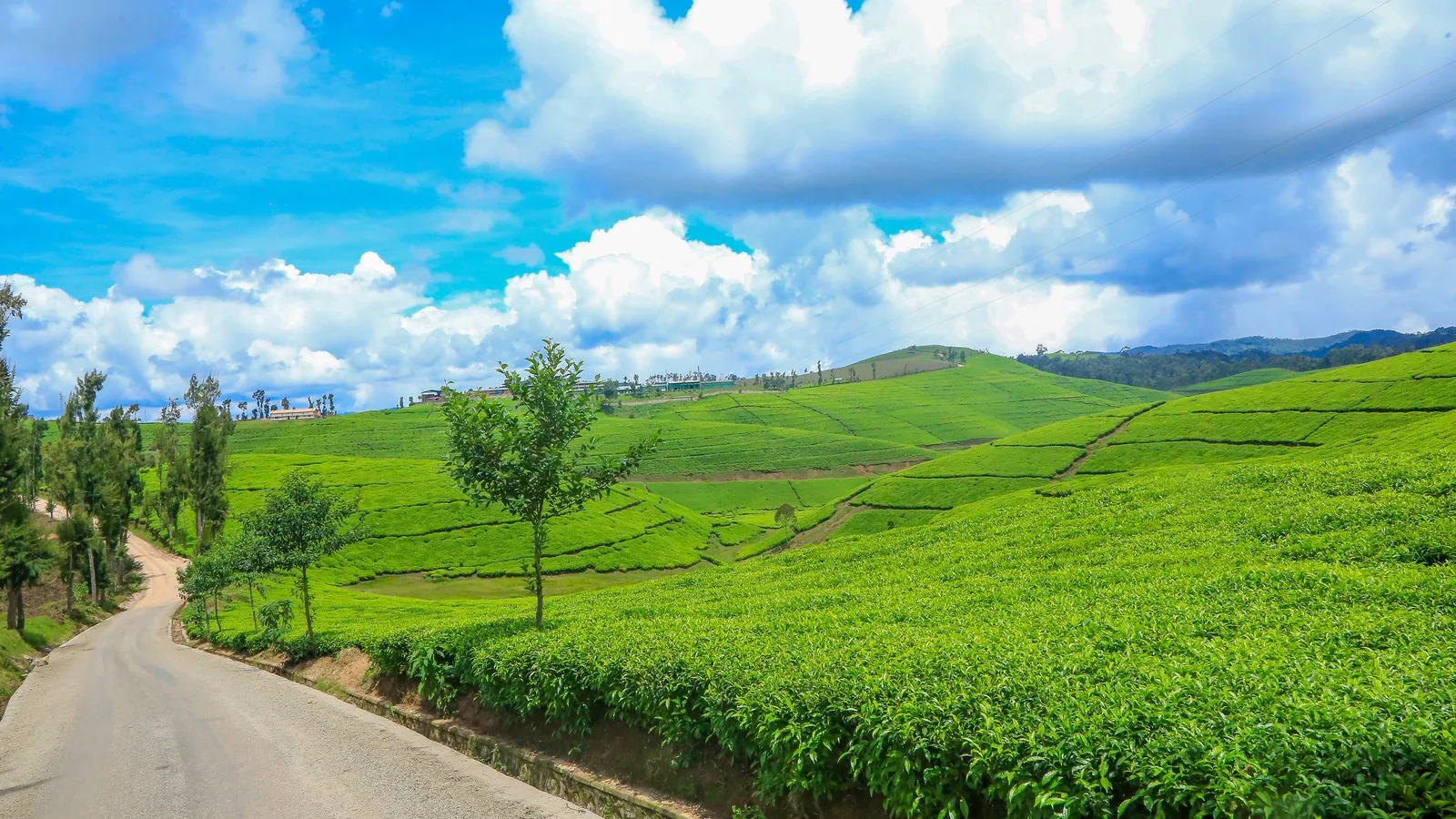
Credit Muhirehussein12, CC BY-SA 4.0, via Wikimedia Commons
Last reviewed 18 August 2026
Rwanda sits high, it rains in two distinct seasons, and it enforces one packing rule that catches visitors at the airport before they have left the terminal. Those three facts do most of the work here.
The plastic bag ban is real and it is enforced
Rwanda bans plastic bags for environmental reasons, and if you arrive with them they will be confiscated. This is not a notional rule quietly ignored at the border: it is one of the country's better known policies and it is applied on arrival.
The practical consequence is to repack before you fly. Anything you would normally wrap in a plastic bag, from wet swimwear to walking boots, needs a fabric or silicone alternative. Packing cubes, dry bags and a couple of cloth bags cover every use you had in mind.
Altitude changes what warm means
Rwanda is high. Kigali sits well above 1,400 meters and the forests and volcanoes are higher again, with Nyungwe running from roughly 1,480 to 2,950 meters. The FCDO notes that altitude sickness is a risk in parts of Rwanda.
What this means for a bag is that evenings are cold in a way that the phrase equatorial Africa does not prepare anyone for, and that layers beat a single warm item. It also means that a climb up a volcano is a genuinely strenuous day at altitude rather than a walk, and should be planned with acclimatization in mind.
Two rainy seasons, and forest walking
There are two wet periods, roughly March to May and October to November, and the drier stretches between them are the standard tracking months. Rain here is heavy and brief rather than constant, and it makes forest paths slick.
Gorilla and chimpanzee tracking is walking on steep, wet, uneven ground through vegetation, sometimes for hours, and it is the activity most visitors most want to do. Boots that are already broken in, gaiters, and gloves for grabbing at vegetation are the difference between a good day and an endured one.
Pack
- No plastic bags at all; fabric or silicone alternatives instead
- Layers, including something genuinely warm for the evenings at altitude
- Waterproof outer layer, whichever season you travel in
- Broken in walking boots with grip, and gaiters for wet forest
- Gardening or work gloves for tracking, which is a hands on activity
- Insect repellent, and long sleeves and trousers for dusk
- A power adapter, and a charger that copes with an evening outage