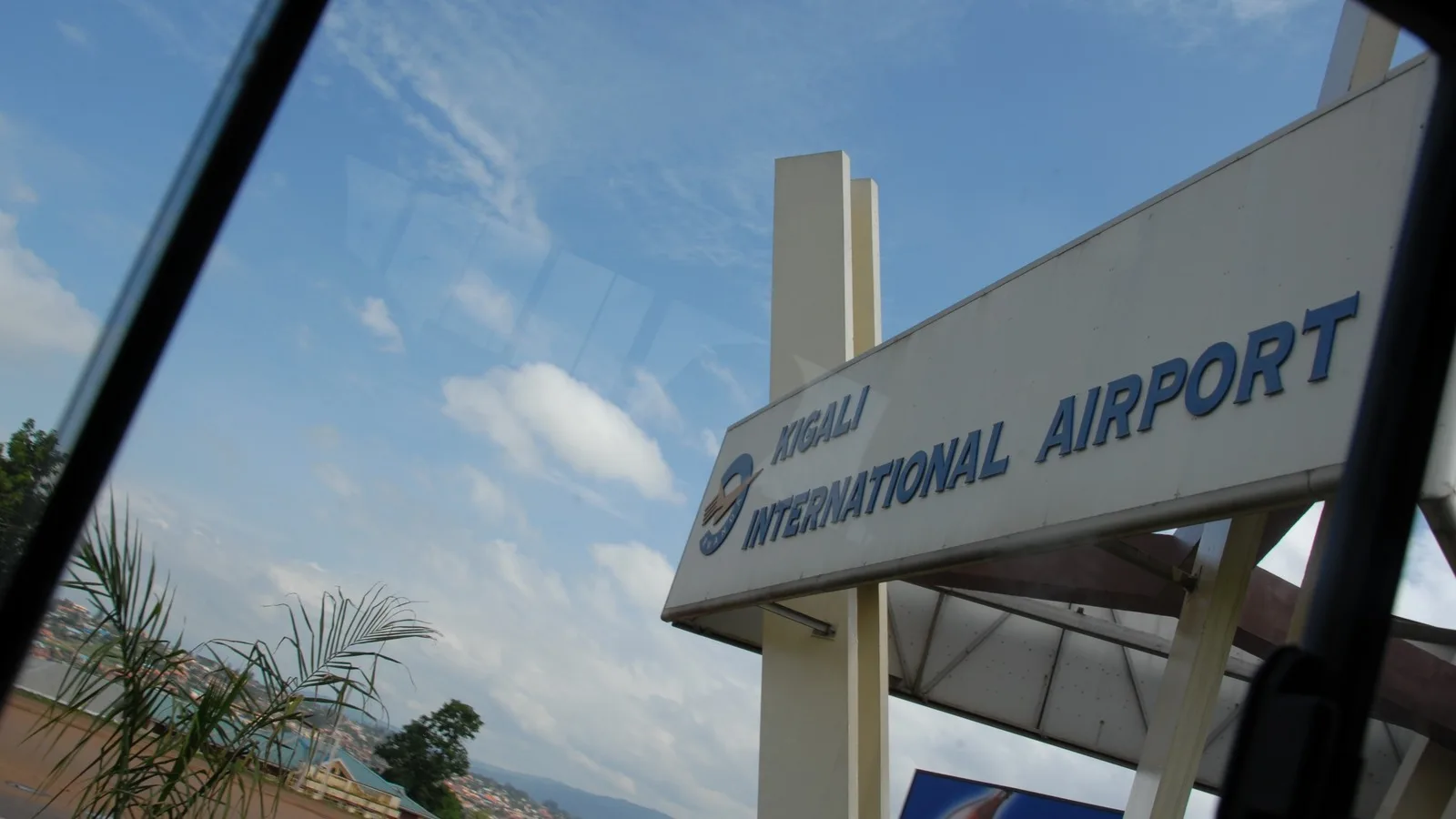
Rwanda Visa and Entry Requirements
- Country Rwanda
- Guide Visa and Entry
- Reviewed 18 August 2026
- Length 3 min read
Credit Dave Proffer, CC BY 2.0, via Wikimedia Commons
Last reviewed 18 August 2026
Rwanda is one of the more open countries in the region to arrive in, and the paperwork most visitors worry about is the part least likely to cause trouble. What is worth reading carefully is the regional health measure sitting on top of it.
The visa
You need a visa to enter Rwanda as a visitor. Citizens of Commonwealth countries can get a free 30 day visa on arrival, which includes British passport holders. Rwanda joined the Commonwealth in 2009 and that membership is what this rests on, so it is not a general rule about all travelers.
You can also apply in advance rather than on arrival. Applications run through the Rwandan immigration service and the government services portal, and the immigration department publishes the current categories and fees.
If you are applying for a resident, business or missionary multiple entry visa rather than a visitor visa, you must obtain a police certificate before you travel. Allow at least ten working days for it.
Passport validity, and the blank page
Your passport must have an expiry date at least six months after the date you arrive, and at least one blank page for entry stamps. Six months is a longer runway than some neighbors ask for, and it is measured from arrival rather than from departure, which catches people whose passport is inside its last year.
The measure that is easiest to miss
In response to an Ebola outbreak in the Democratic Republic of the Congo, Rwanda announced border measures under which foreign nationals who have traveled to or transited through the DRC in the 30 days before their intended travel are denied entry to Rwanda. Rwandan nationals and foreign residents are admitted, but face mandatory quarantine if they have been in the DRC in that period.
This matters to more people than it first appears. A gorilla itinerary that takes in both sides of the Virunga massif, or a trip routed through Goma, is exactly the shape of travel the measure catches. Transit from the DRC through Rwanda is permitted only in exceptional circumstances tied to humanitarian or essential travel.
Health measures of this kind change quickly in both directions. Check the position before you book anything that crosses that border, not after.
Yellow fever, drones and what you carry
If you are arriving from a country listed as a yellow fever transmission risk, you must carry a vaccination certificate. Coming directly from Europe or North America you will not normally need one; coming from elsewhere in the region you may.
Drones must be declared on arrival. They may be confiscated or held until you leave the country. Rwanda also has strict customs rules generally, and anything that may be prohibited or dutiable has to be declared.
Before you fly
- Passport valid at least six months from your arrival date, with a blank page
- Whether your nationality gets the free visa on arrival, or needs an application
- Whether anything in your itinerary touches the DRC within 30 days of arrival
- A yellow fever certificate if you are arriving from a transmission risk country
- A declaration ready for any drone, and the knowledge it may not travel on with you
- A police certificate, and ten working days, if this is not a visitor visa