Senegal Travel Safety Guide
- Country Senegal
- Guide Safety
- Reviewed 20 August 2026
- Length 3 min read
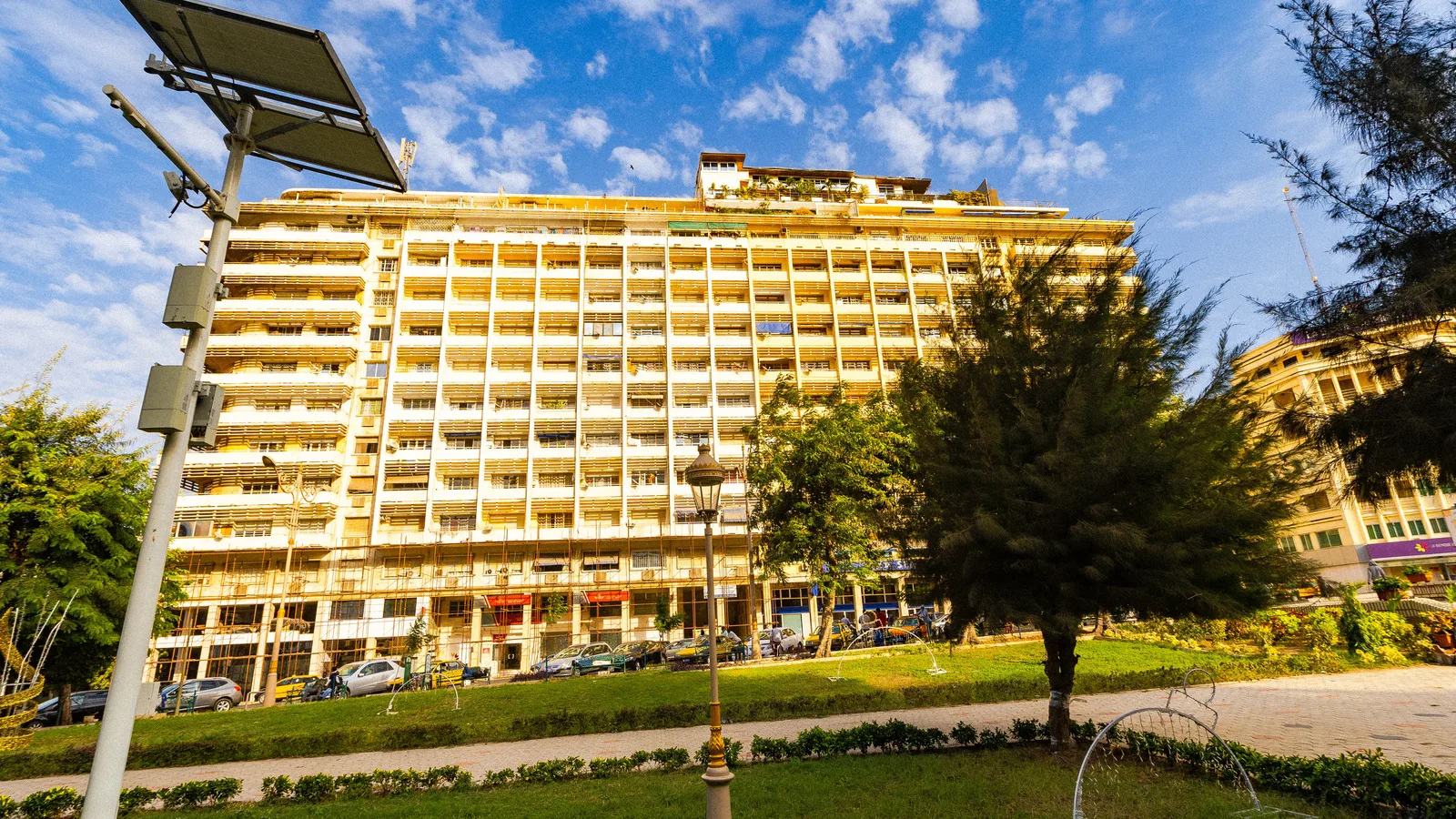
Credit Raymond Diop, CC BY-SA 4.0, via Wikimedia Commons
Last reviewed 20 August 2026
The US State Department rates Senegal Level 1, Exercise Normal Precautions, which is the lowest of its four levels and the same rating it gives most of western Europe. That advisory is dated 1 December 2025. It is worth stating plainly, because it is the first Level 1 country in this series and because a reader who has only ever seen African countries discussed as risks deserves the actual number.
Level 1 does not mean nothing. It means the things to be careful about are ordinary rather than exceptional.
Dakar, and ordinary crime
Robbery, burglary and assault have become more common in Dakar, and in some cases involve weapons. Hotels used by foreign visitors have been robbed at gunpoint. Pickpocketing and bag snatching are also increasing. The advice is the advice anywhere: be alert at ATMs, use pre-arranged transport at night, and do not carry more than you need.
There are frequent demonstrations about political issues in Dakar and other cities. Stay away from them, monitor local media, and ahead of a large demonstration consider stocking up on food, water and fuel.
The borders, and the Casamance
Several terrorist groups operate in neighboring Mali, and the FCDO notes that attacks have increasingly been carried out in southern and western Mali near the Senegalese border. Take particular care in remote areas near the Mali and Mauritania borders, which are not tightly controlled.
The Casamance, the spur of land south of the Gambia, has had decades of low-intensity separatist violence, largely directed at Senegalese security forces. The risk of clashes is lower in the region's main tourist areas and higher close to the Gambian and Guinea-Bissauan borders.
The law on same-sex relations
Same-sex sexual activity is illegal in Senegal. On 30 March 2026 the law was amended to increase prison sentences for same-sex relations to between five and ten years, and to criminalize the promotion, support or funding of homosexuality, bisexuality and transsexuality.
That second clause reaches advocacy and not only conduct, which is why it is stated here rather than folded into the first. The FCDO also records that same-sex relationships are generally not tolerated in Senegalese society and that there is a risk of discrimination or harassment against people thought to be part of the LGBT community or to support its rights.
This is stated as the law of the country. It is not advice about who should travel where.
Health, and the number to call
The emergency medical number in Senegal is 15. Ask for an ambulance.
Medical facilities in Dakar are reasonable and are limited in the rest of the country, so travel insurance needs to cover medical evacuation and not only treatment. Senegal is a malaria country: see the packing list for what that means before you fly. Penalties for possession, use or trafficking of illegal drugs are severe, people accused regularly spend long periods on remand before trial, and the maximum sentence for trafficking is twenty years.