South Africa Currency and Money Guide
- Country South Africa
- Guide Budget
- Reviewed 16 August 2026
- Length 3 min read
Credit Eletso, CC BY-SA 4.0, via Wikimedia Commons
Last reviewed 16 August 2026
South Africa is one of the easiest countries on the continent to pay for things in. Cards work in more places than most visitors expect, ATMs are everywhere that is not genuinely remote, and the banking system is sophisticated. The care that is needed is less about access than about where you stand while you use it.
The currency
The currency is the South African rand, written ZAR and shown as R in front of a price. It divides into a hundred cents. The South African Reserve Bank issues the notes and coins and publishes the current series, including the security features worth knowing if you are handed a note you are unsure about.
The rand also circulates in several neighboring countries, and Lesotho, Eswatini and Namibia each maintain their own currency alongside it. If your trip crosses a border, check which way that works before you assume your change will spend.
Cards and cash
Cards are accepted widely: hotels, restaurants, supermarkets, fuel stations, museums and most established shops. Contactless is normal. This is a genuine difference from much of the region and it is easy to over correct for by carrying far more cash than you need.
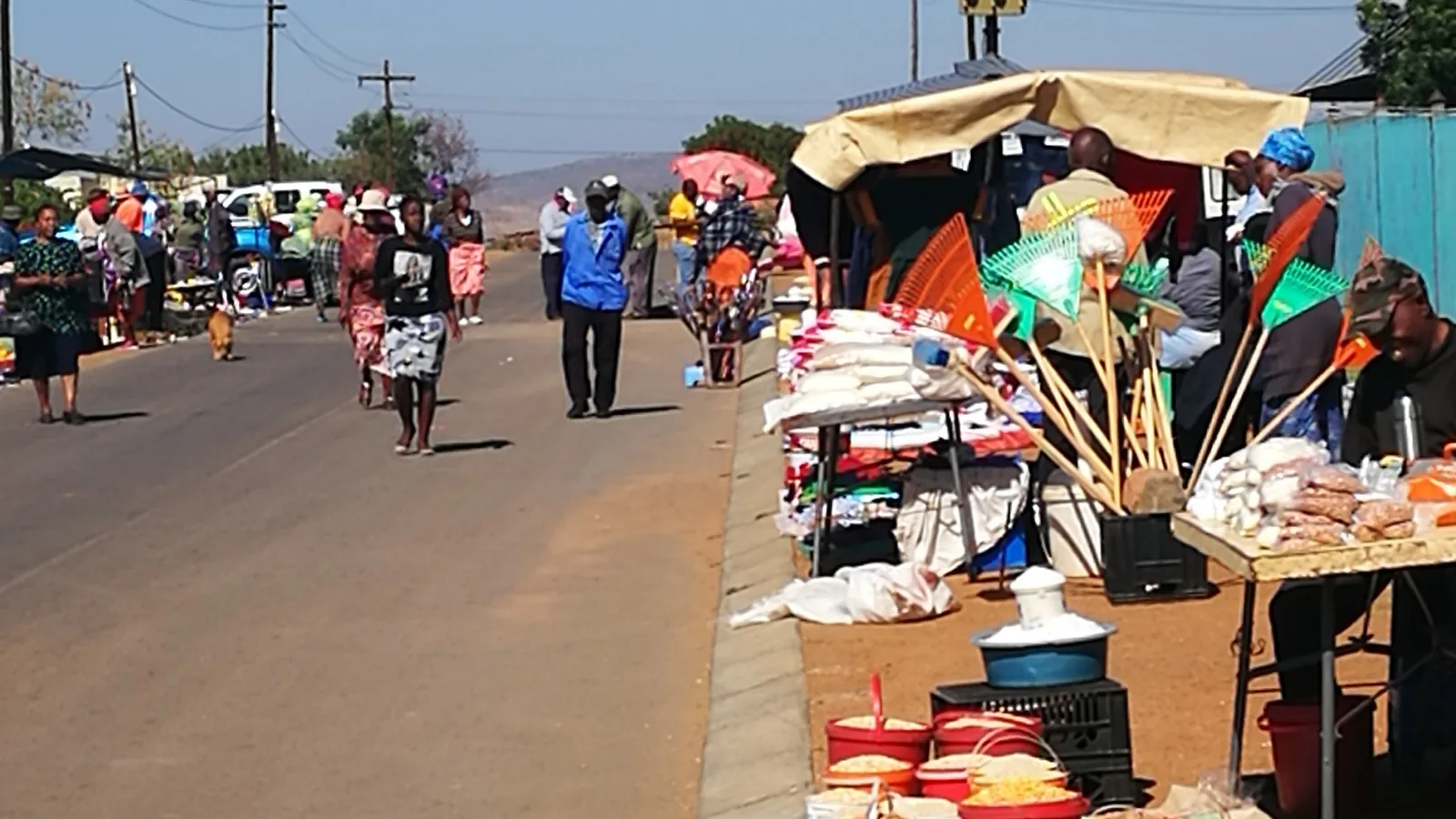
Cash still matters at markets, for parking attendants and car guards, for tips, at roadside stalls and in smaller towns. Small notes are what make all of that work. Keep a modest amount accessible and the rest somewhere else.
ATMs, and the specific risk
ATMs are common. The advice from both the British and American governments is unusually specific about them, and it is worth following rather than skimming: use machines inside a bank, a shopping center or a busy fuel station rather than one standing on a street; cover the keypad; and decline help from anyone who offers it, however plausible or official they appear.
Card skimming and distraction at the machine are the named methods. So is being followed after changing or withdrawing a large amount in public. Withdraw what you need rather than what saves you a second trip.
Tipping
Tipping is a real part of how a lot of people here are paid, and small denomination notes and coins are what make it possible. Break large notes when you get the chance.
- Restaurants: around a tenth of the bill is customary where no service charge is on it
- Car guards, who watch parked cars in marked bays: small change, given when you return
- Fuel attendants, who fill the tank for you because self service is not the norm: small change
- Guides at heritage sites and on tours: customary, and for a good guide genuinely deserved
- Hotel staff who carry bags or clean rooms: small notes, given directly
- Taxi and ride hailing drivers: rounding up is normal, more than that is not expected
Declaring money, and budgeting
There is a limit above which cash carried in or out has to be declared, and it applies to foreign currency as well as to rand. The figure is set by the Revenue Service and is not written here on purpose, for the same reason no exchange rate is. Check it if you expect to be carrying a substantial sum.
On budgeting: South Africa is not uniformly inexpensive. Eating and traveling domestically often cost less than visitors expect, while guided wildlife experiences, internal flights and the better lodges are priced internationally and can cost as much as they would anywhere.