Tanzania Travel Safety Guide
- Country Tanzania
- Guide Safety
- Reviewed 19 August 2026
- Length 6 min read
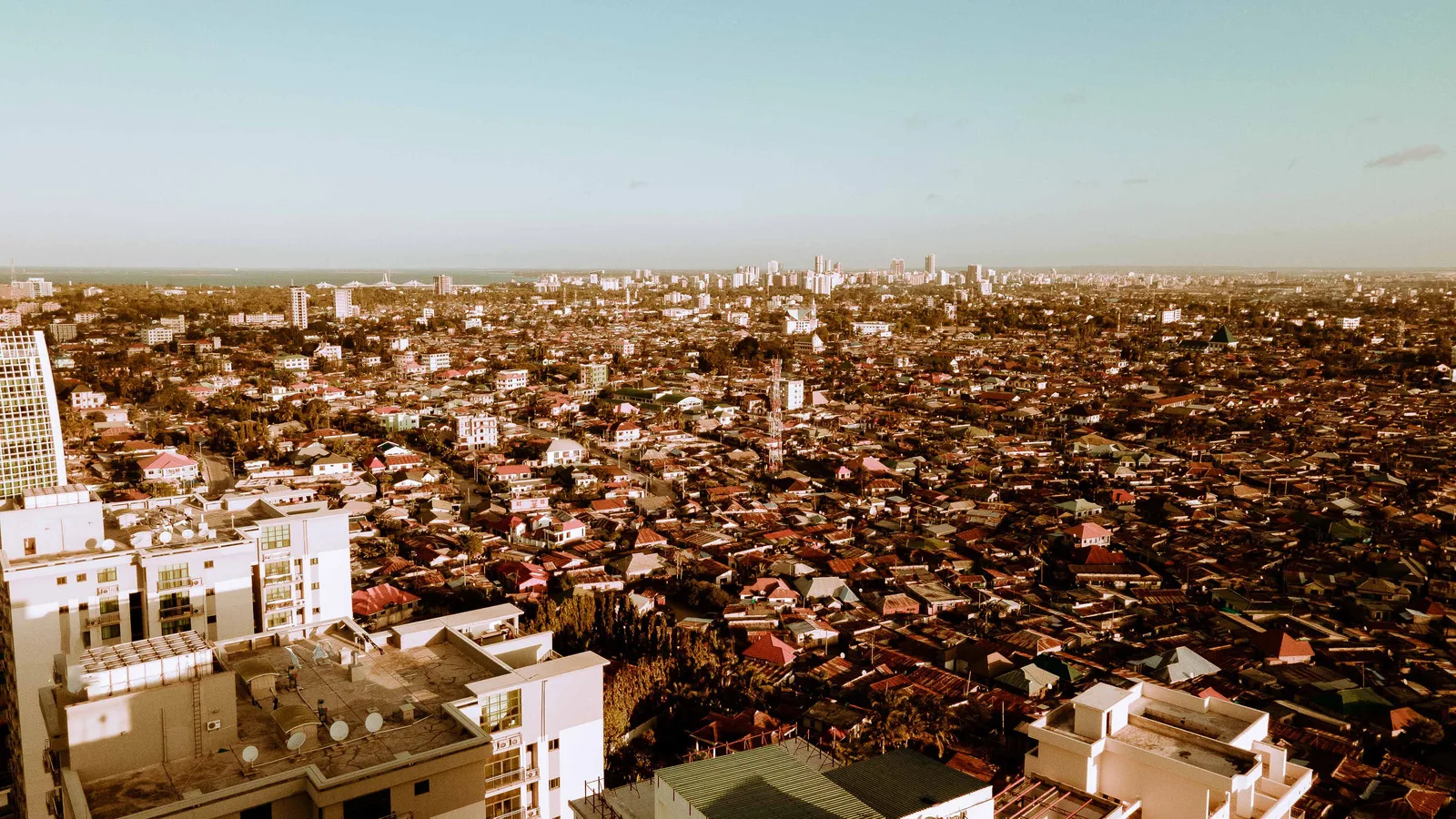
Credit Arnold Tibaijuka, CC BY-SA 4.0, via Wikimedia Commons
Last reviewed 19 August 2026
Tanzania receives visitors safely every day and has a small number of specific, current risks that a general safari brochure will not mention. This page states them and their limits, because both matter.
Where the advisory actually applies
The FCDO advises against all but essential travel to any area within 20 km of the Tanzanian border with the Cabo Delgado province of Mozambique, because of attacks by groups linked with Islamic extremism. An attack on the village of Kitaya in Mtwara region in October 2020 was claimed by extremists operating from northern Mozambique.
Read the boundary precisely. It is a 20 km strip along one border in the far south, not a region and not the coast. Kilwa Kisiwani, in Lindi region, is well north of it, and so is almost all of the Selous. Travel insurance can be invalidated by traveling against the advice, so the distinction is financial as well as editorial.
Separately, there have been armed robberies and vehicle hijackings near the Burundi border and in Kigoma region. Drive there only in daylight, and expect few facilities for visitors.
Terrorism, in the register the FCDO actually uses
The formulation matters and is quoted rather than smoothed. Terrorist attacks in Tanzania cannot be ruled out. That is the weaker of the two registers the FCDO uses; for Uganda it says attacks are very likely to be attempted.
Extremists linked to Al-Shabaab, based in Somalia, are thought to be active in Tanzania, and attacks by IS-Mozambique are possible near the border with Cabo Delgado. There is thought to be some support for Daesh. The Tanzanian authorities have made a number of arrests in connection with terrorism. Many incidents in Tanzania are of unclear origin and may be the work of criminal gangs, and most attacks target the local security forces.
The election, and why it is still on this page
A general election was held on 29 October 2025. Protests and the resulting security response led to fatalities and injuries in many areas of mainland Tanzania. Previous elections in Zanzibar have turned violent and resulted in fatalities.
Further demonstrations, including violent responses by security forces, are possible at any time, and there have been calls on social media for demonstrations on public holidays. There has been an increase in anti-foreigner rhetoric. The authorities have previously limited internet access during and after protests, so keep the numbers you would need offline: your airline, your insurer, and your own consular assistance line.
Stay away from demonstrations, rallies and large crowds. If you become aware of a protest nearby, leave the area.
Photography, phones and what the law says you may hold
This is the section most likely to affect a reader of a travel publication, because it is about the thing everyone does.
It is illegal to take or share photographs and video footage of protests and violence. You could be detained for social media activity including posting comments, blogging, or sharing photographs or footage relating to protests or the political situation.
Tanzanian security services may ask to check your phone and other electronic devices for content related to the events around the election, and to review your participation in online groups perceived to have incited violence. The police have said it is an offense to hold or share videos or images that cause panic or degrade a person's dignity.
Keep away from activities that could be considered political, including political discussion in public places and online.
Crime, and where it happens
There is a risk of armed crime, including armed robbery, throughout Tanzania. In Dar es Salaam, tourists and residents have been targeted in the city center, in the Masaki and Oysterbay peninsula area and particularly at Coco Beach, and along Toure Drive. In Zanzibar, incidents have occurred in Stone Town, at hotels, and on popular tourist beaches across the island.
Bag snatching is a known tactic, often from cars or motorbikes. Walk towards the traffic so you can see vehicles approaching, walk as far from the road as you can, and carry a bag loosely by the handle rather than with the strap across your chest, which is the difference between losing a bag and being pulled off your feet.
Incidents of assault, rape and sexual aggression against foreigners have occurred, including at beach resorts. Avoid walking alone at night, do not leave drinks unattended, and be wary of strangers offering rides or invitations. If you are a victim of a crime you can report it to your own high commission or embassy, whose consular staff can help you report it locally and can translate.
There have been cases of women traveling alone or in small groups being verbally harassed.
The law on same-sex activity
Same-sex sexual activity is illegal in Tanzania, including in Zanzibar. Same-sex relationships are not tolerated in what the FCDO describes as a conservative society, and public displays of affection such as holding hands or kissing could result in arrest or imprisonment.
That is the law as it stands and this publication states it as law. It is not advice about who should travel where, and the decision belongs to the reader.
Two more legal facts worth carrying
Tanzania has strict drug laws with severe penalties, including lengthy prison sentences, for supply and for simple possession, including when transiting through the airport. Airports have detection technology that is used on the baggage of transiting passengers. Tanzanian prisons tend to be dirty and overcrowded.
Reports to the British High Commission by Black, Asian and Minority Ethnic British passport holders suggest they experience additional levels of harassment from immigration officials. If it happens, stay calm and ask that your high commission or embassy be informed immediately. This publication reports that because its readers are disproportionately likely to be the people it happens to.
Health, and the number to call
The emergency number in Tanzania is 112. Ask for an ambulance, and contact your insurance company quickly if you are referred anywhere for treatment.
Check the current vaccine recommendations at least eight weeks before you travel. The health risks named for Tanzania include dengue, malaria, cholera and mpox, and altitude sickness is a risk in parts of the country, which is a safety question on Kilimanjaro and on the northern highlands rather than a purely medical one.
Medical facilities are limited, especially outside Dar es Salaam. That is the single most important sentence on this page for anyone planning time in a remote park, where emergency access and evacuation can be difficult, and it is the argument for insurance that covers medical evacuation rather than only treatment.