Culture
Tanzania Culture and Etiquette Guide
A national language that was a political choice, a dress code with a price attached, and a law about what you may photograph.
- Country Tanzania
- Category Culture
- Reviewed 19 August 2026
- Sources 3
- Length 4 min read
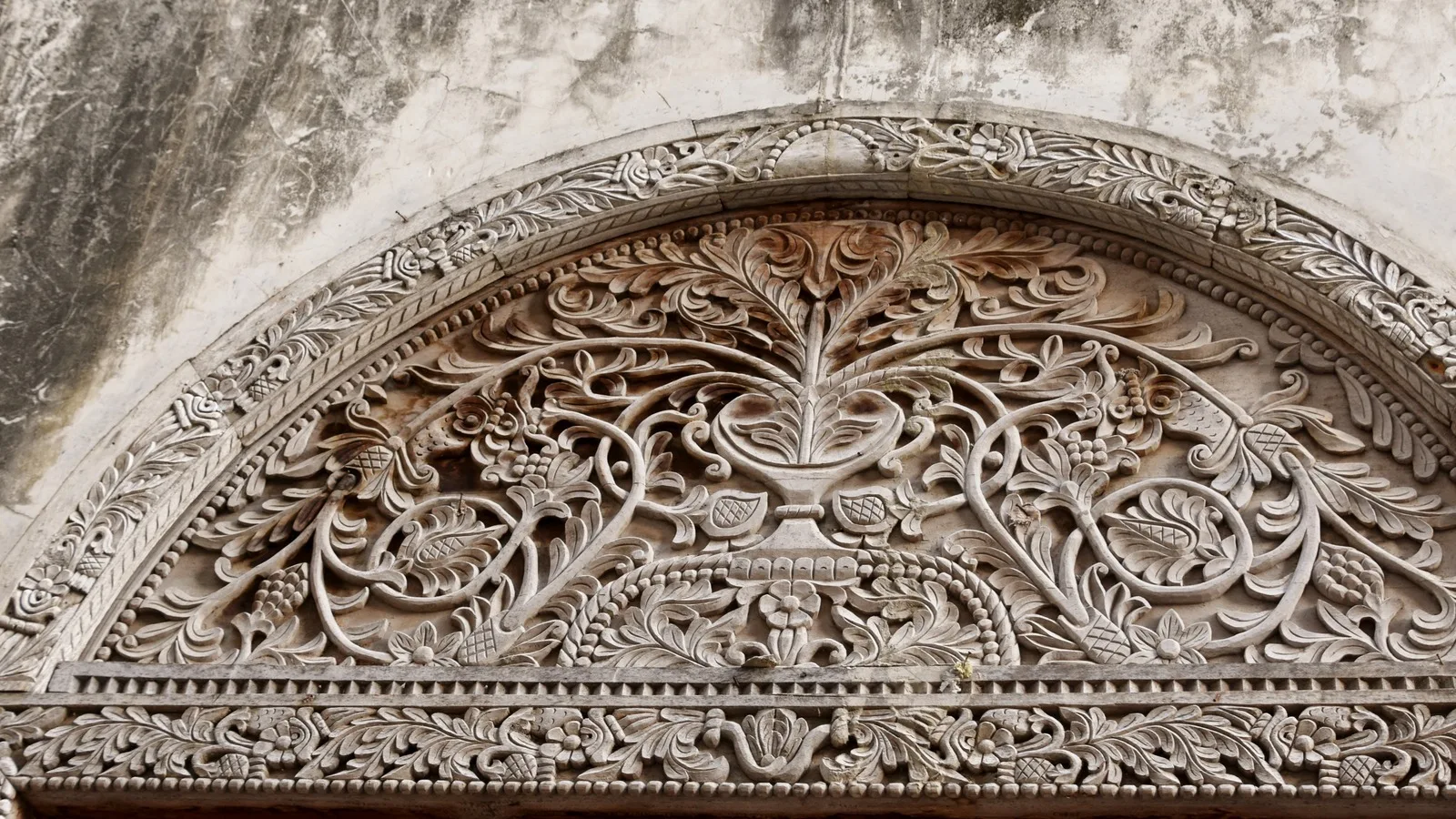
Credit Richard Mortel, CC BY 2.0, via Wikimedia Commons
Most etiquette guides for this region are lists of gestures. The things that actually matter in Tanzania are a language, a religion, a wardrobe and a camera, and three of those four carry consequences.
Kiswahili is the point, not a phrasebook
Kiswahili is the national language and it is spoken across the country by people whose first languages are many and various. That is unusual in the region and it was a deliberate choice rather than an accident of geography.
The practical consequence for a visitor is that a small amount of Kiswahili goes further here than a small amount of any language goes almost anywhere else, because it is the language people are already meeting each other in. Karibu, welcome, is the word you will hear most. Asante is thank you, pole is an expression of sympathy for anything from a stumble to a bereavement, and hakuna matata is a real phrase that was not invented by a film.
Greetings are not optional and are not brief. Beginning a transaction without one reads as brusque in a way that is hard to recover from.
Dress, and the fine that is attached to it
Dress modestly throughout the country. In Zanzibar and Pemba, where a high proportion of residents are Muslim, this is enforced rather than merely expected.
Women wearing shorts or sleeveless tops away from tourist resorts, particularly in Stone Town, may cause offense. Zanzibari authorities can fine a visitor 700 US dollars or more for wearing what they consider inappropriate clothing in public, and the fine for a guide or tour operator can be at least 1,000 US dollars.
The second figure is the one worth thinking about. It means the person showing you around has more at risk in what you wear than you do, and that is a poor position to put someone in.
Ramadan, and what a guest does
During Ramadan, avoid eating or drinking in public outside hotels and restaurants. Ask your guide, your hotel or your hosts when you arrive rather than assuming the rule is uniform: it is applied more strictly in Zanzibar and Pemba than on much of the mainland.
What you may photograph, and what you may hold
This is the rule most likely to catch a visitor from a country where photography is assumed to be free.
It is illegal to take or share photographs and video footage of protests and violence. Security services may ask to check your phone and other electronic devices, and the police have said it is an offense to hold or share images that cause panic or degrade a person's dignity. Keep away from anything that could be considered political, in public and online.
The ordinary courtesy applies underneath all of that: ask before photographing a person, and accept no as an answer. Always carry copies of your passport photo page and visa, because immigration officials and police can ask for them at any time.
One law this page does not restate
Same-sex sexual activity is illegal in Tanzania, including in Zanzibar. The full position, including what it means in practice, is set out once on the travel safety guide rather than twice. It is stated there as law, which is what it is.
A country with no intangible heritage inscriptions, which tells you something
Tanzania has no elements at all on UNESCO's Representative List of the Intangible Cultural Heritage of Humanity, its Urgent Safeguarding List, or its Register of Good Safeguarding Practices. Not one.
Set that against Uganda, which has six, and Rwanda, which has one. It is not a statement about Tanzanian culture, which includes Makonde sculpture, taarab and a very large number of living ngoma traditions. It is a statement about who has filed nomination dossiers.
Worth knowing before you read any claim that something here is UNESCO recognized. For intangible heritage in Tanzania, nothing is.
Sources and references
- UK FCDO: Tanzania safety and security
- UNESCO Intangible Cultural Heritage: United Republic of Tanzania
- Tanzania: a land that echoes with rich and diverse history and heritage
The dress fines, the photography and device law, the Ramadan guidance and the personal identification requirement are all from the UK FCDO advisory. The intangible heritage count was read from UNESCO's own state page for Tanzania and checked against Rwanda's and Uganda's by the same method on the same day.