Culture
Cape Verde Culture and Etiquette Guide
Cape Verde has exactly one UNESCO-inscribed tradition, and it is a form of music about leaving. That turns out not to be a coincidence at all.
- Country Cape Verde
- Category Culture
- Reviewed 20 August 2026
- Sources 3
- Length 2 min read
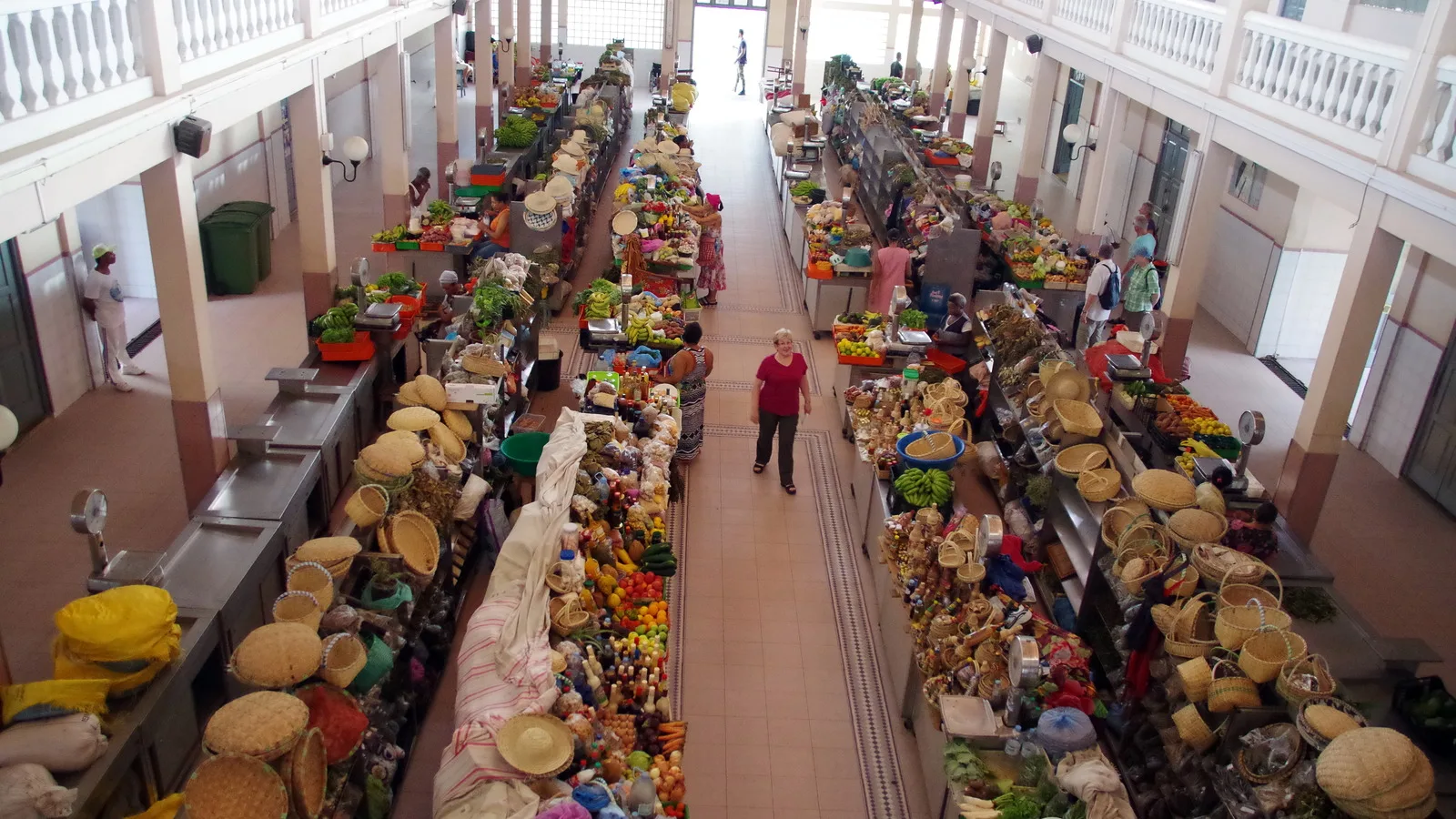
Credit Balou46, CC BY-SA 4.0, via Wikimedia Commons
Cape Verde has exactly one element on UNESCO's Representative List of Intangible Cultural Heritage. It is morna, inscribed in 2019, and what it is about tells you most of what you need to know about the country.
Getting the ordinary things right
- Portuguese is the official language and Cape Verdean Creole is what people speak. A few words of either are welcome.
- Greetings matter and are not rushed.
- Ask before photographing people, and accept no.
- Carnival performers are a different case: they are performing, and the photograph is part of it.
- Do not treat morna as background music. It is listened to.
Sources
- UNESCO: Morna, musical practice of Cabo Verde
- UNESCO: intangible heritage elements in Cabo Verde
- UNESCO: Cidade Velha, Historic Centre of Ribeira Grande
The description of morna, its instruments, its subjects and its language are from the UNESCO inscription, inscribed in 2019 on the Representative List. The account of Creole society forming at Ribeira Grande is from the Cidade Velha World Heritage listing, ref 1310. Both read on 20 August 2026.