Heritage
Cape Verde and Diaspora Reconnection
The first Creole society formed on these islands, at a port built for the slave trade. The music that came out of it is a music about leaving.
- Country Cape Verde
- Category Heritage
- Reviewed 20 August 2026
- Sources 3
- Length 2 min read
Credit Herbert wie, CC BY-SA 4.0, via Wikimedia Commons
Two sentences on two different UNESCO pages, written years apart for different lists, describe the same country and between them explain it.
The first is about a ruined town on Santiago. The second is about a form of song.
Going
- Cidade Velha is on Santiago, near Praia, and is the place to start.
- Pillory Square, the two churches and the royal fortress are the surviving fabric UNESCO names.
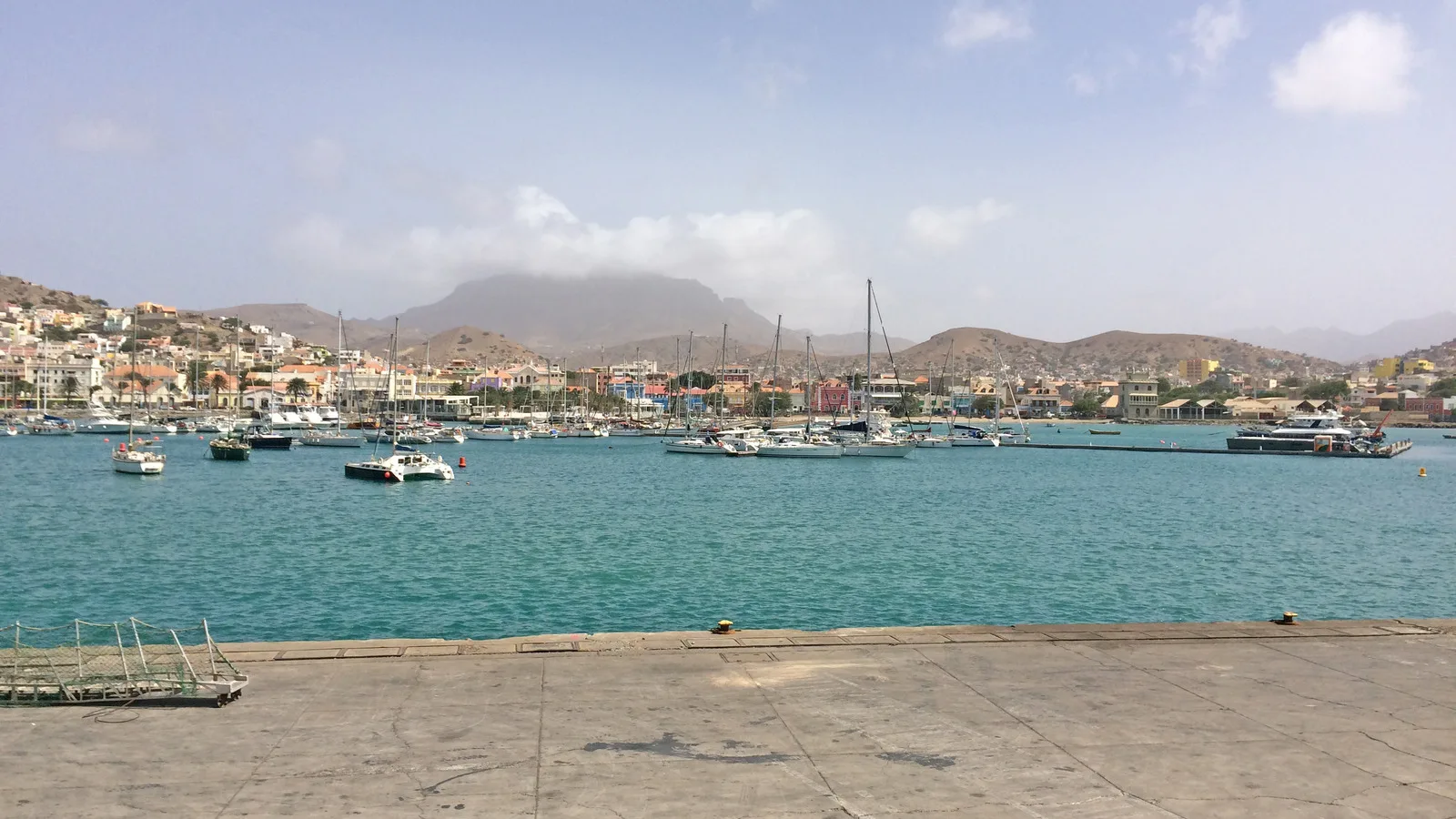
- Mindelo, on Sao Vicente, is the other half of the story: the port, and the music.
- This is a site of memory as well as a town people live in. Photograph it accordingly.
- If you are traveling for reconnection, say so to whoever guides you. It changes the visit.
Sources
- UNESCO: Cidade Velha, Historic Centre of Ribeira Grande
- UNESCO: Morna, musical practice of Cabo Verde
- UNESCO: World Heritage in Cabo Verde
The account of Ribeira Grande, including the phrases about the Atlantic trade of enslaved persons and the first developed Creole society, is from the UNESCO listing for Cidade Velha, ref 1310. The description of morna is from its UNESCO inscription. Both read on 20 August 2026.