Heritage
Cidade Velha: Visitor and Heritage Guide
The first European colonial town in the tropics, a platform for the Atlantic slave trade, and where the first Creole society formed. All one place.
- Country Cape Verde
- Category Heritage
- Reviewed 20 August 2026
- Sources 2
- Length 2 min read
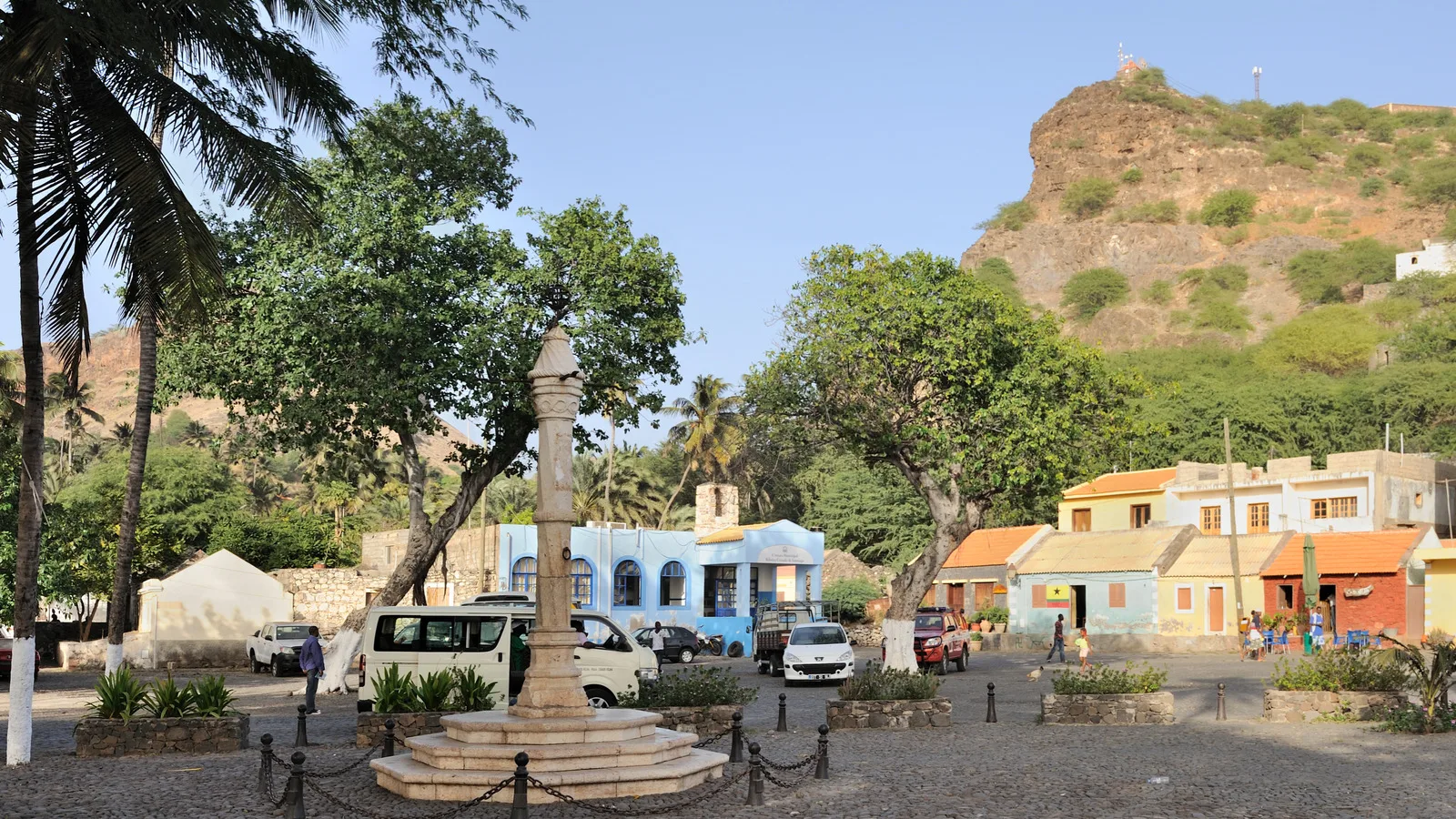
Credit Cayambe, CC BY-SA 3.0, via Wikimedia Commons
Ribeira Grande, renamed Cidade Velha in the late eighteenth century, was inscribed on the World Heritage List in 2009 under criteria (ii), (iii) and (vi). It is the only inscribed property in Cape Verde.
UNESCO calls it the first European colonial town to be built in the tropics, and a decisive step in European expansion at the end of the fifteenth century toward Africa and the Atlantic.
Visiting
- Cidade Velha is on the south of Santiago, a short drive from Praia.
- Some of the original street layout survives, along with two churches and a royal fortress.
- Pillory Square holds the ornate sixteenth century marble pillar, which is what the name refers to.
- The fortress sits above the town and the climb is the steep part of the visit.
- This is a site of memory. Consider before photographing, and consider whether the photograph is needed.
Sources
All of the above is from the UNESCO World Heritage listing for Cidade Velha, ref 1310, read on 20 August 2026, including the phrases about the Atlantic trade of enslaved persons and the first developed Creole society.