Heritage
Carthage: Visitor and Heritage Guide
Founded from Tyre and inscribed in 1979, Carthage was the metropolis of Punic civilization in Africa before Rome rebuilt it as a capital.
- Country Tunisia
- Category Heritage
- Reviewed 20 August 2026
- Sources 4
- Length 2 min read
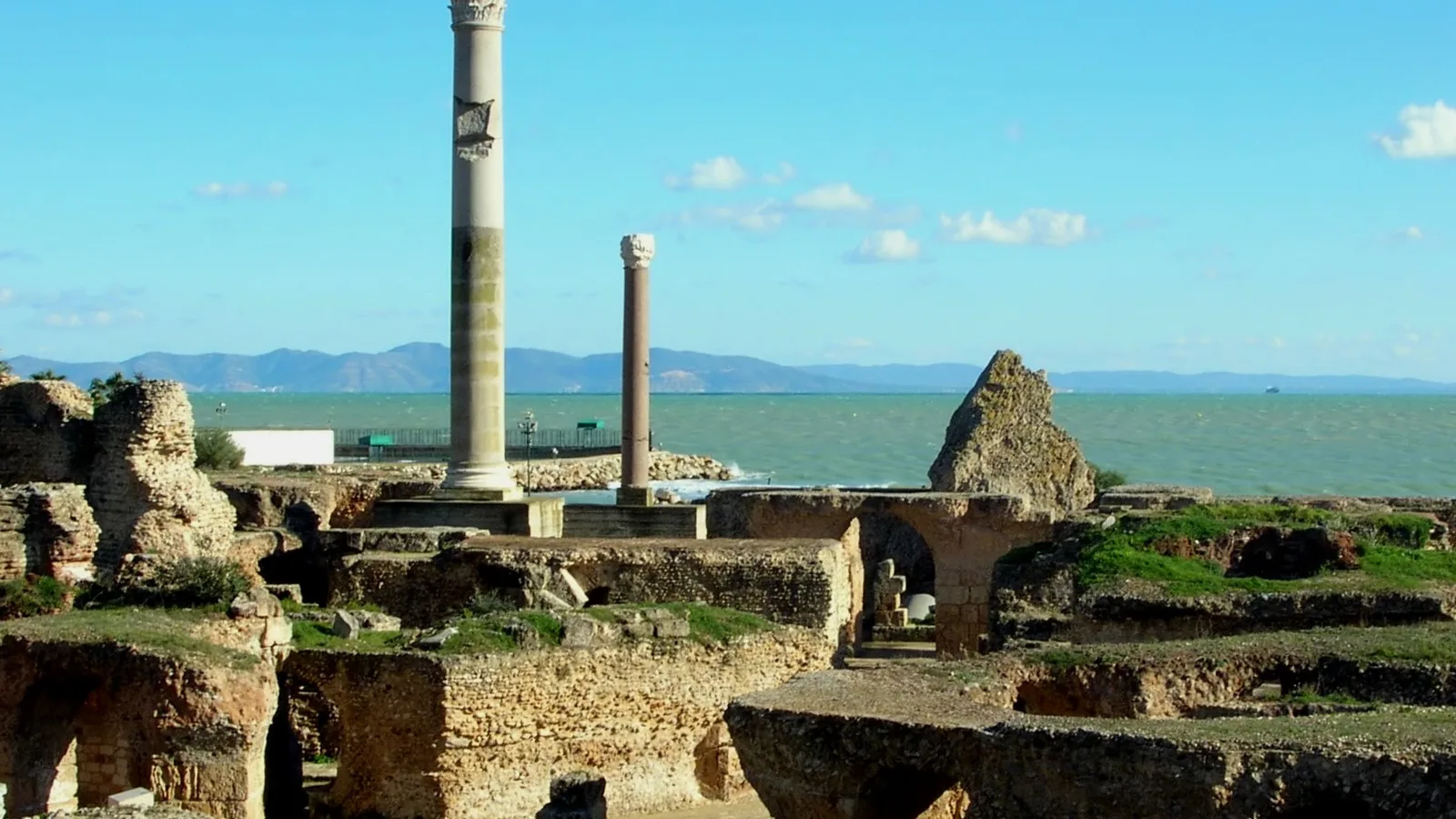
Credit Bernard Gagnon, CC BY-SA 3.0, via Wikimedia Commons
Carthage stands on a hill above the Gulf of Tunis, twenty minutes from the middle of the capital on the TGM line. It was inscribed in 1979, and the thing to understand before visiting is that it is not one site. It is a set of separate enclosures scattered through a wealthy modern suburb, and you will spend as much time between them as in them.
Four cities in one place
Carthage was founded from Tyre at the end of the ninth century BC and became the metropolis of Punic civilization in Africa. Rome destroyed it, and then rebuilt it on its own ruins by order of Julius Caesar, as the capital of the province of Africa. After Rome it was the capital of a Vandal kingdom, and after that a Byzantine province.
What survives is layered accordingly and is legible in that order if you know to look for it: the acropolis of Byrsa at the top, the Punic ports below, the tophet, the necropolises, and then the Roman city over and through all of it, with the theater, the amphitheater, the cisterns and the Antonine Baths on the shore.
Visiting
Sidi Bou Said is the next stop up the line and is the usual second half of the day.
- The site is several separate enclosures across a suburb, not one walk. A combined ticket covers them.
- The TGM light rail from Tunis Marine runs to Carthage and on to Sidi Bou Said.
- Byrsa hill gives the overview and is the sensible place to start.
- The Antonine Baths are the largest standing Roman remains and sit right on the shore.
- There is very little shade anywhere. Go early or late.
- You will be offered coins and fragments. Removing antiquities from Tunisia requires official permission and an undeclared piece risks a fine and a prison sentence.
Sources and references
- UNESCO World Heritage Centre: Archaeological Site of Carthage
- UNESCO World Heritage Centre: Tunisia, States Parties
- UK FCDO: Tunisia safety and security
- Tunisian National Tourist Office
Inscription details are from the property's own UNESCO page, read at source on 19 August 2026, and the inscription year from its Date of Inscription line. The antiquities rule is from the FCDO advice updated 24 July 2026.