Heritage
Chobe Linyanti System: Visitor and Heritage Guide
The river everyone photographs, the channel that switches itself on and off, and a nomination Botswana filed in 2010 that has not moved since.
- Country Botswana
- Category Heritage
- Reviewed 18 August 2026
- Sources 5
- Length 3 min read
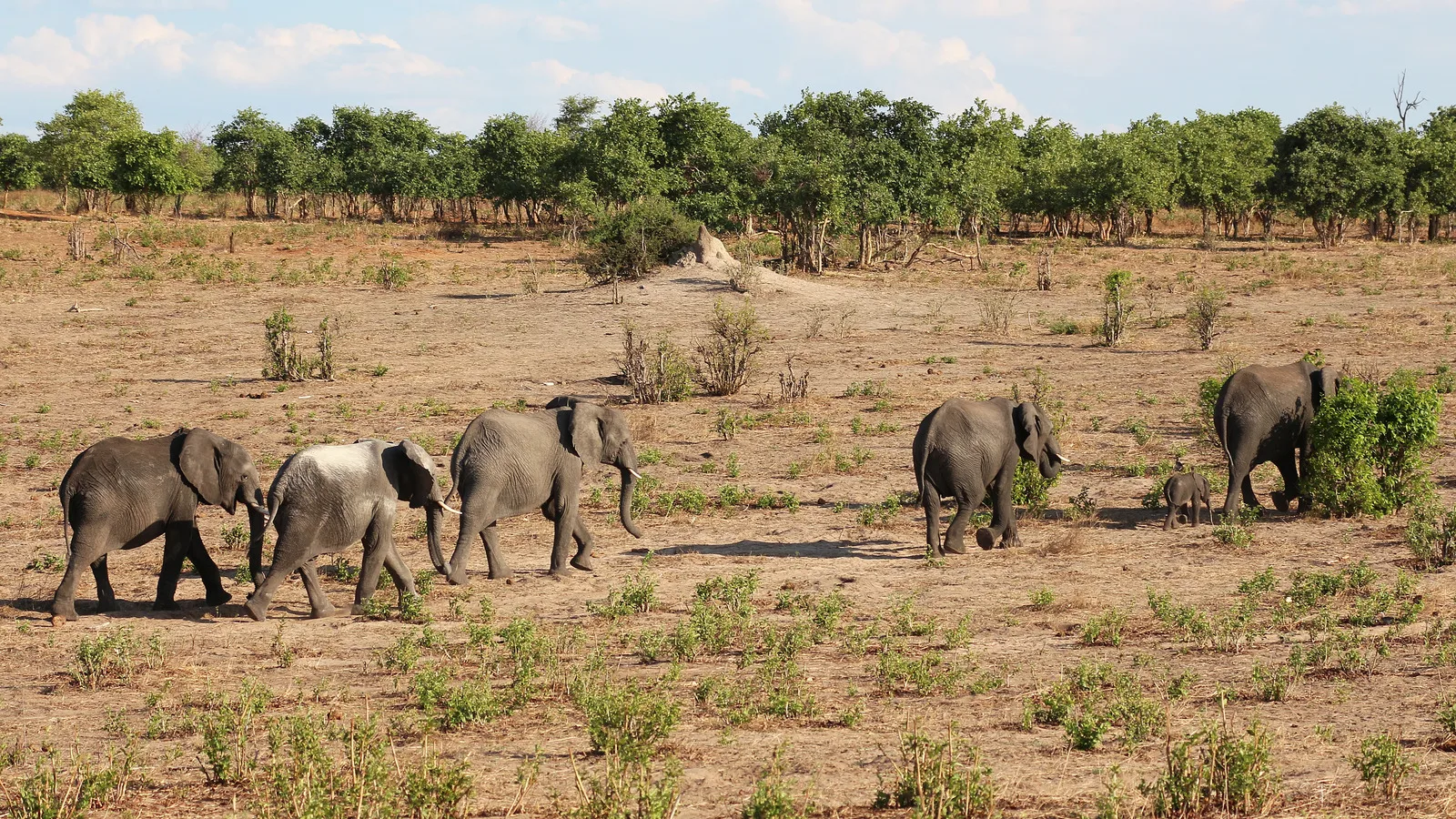
Credit Bernard Gagnon, CC BY-SA 4.0, via Wikimedia Commons
Chobe is on more Botswana itineraries than anything else in the country, and it is not a World Heritage Site. Botswana proposed it in 2010, as part of a larger system that includes the Linyanti River in the north, and the proposal has sat on the tentative list ever since.
What was proposed
The Chobe Linyanti System was submitted on 27 May 2010 by the Department of National Museum and Monuments, as a natural property under criteria (ix) and (x), which cover ecological processes and biodiversity. It lies in North West Botswana, in Chobe District, and covers 11,700 square kilometers.
UNESCO’s own record makes a comparison worth keeping: Chobe is the third largest park in Botswana, after the Central Kalahari Game Reserve and the Gemsbok National Park. Neither of the two larger ones is inscribed either.
Four areas, and they are not alike
- Serondela, the Chobe riverfront in the far northeast: floodplains and dense teak forest, and the stretch almost every visitor sees
- The Savuti Marsh: the relic of an inland lake, fed by a channel that starts and stops
- The Linyanti Marsh in the northwest: riverine and open woodland, lagoons and flood plains
- The Nogatsaa grass woodland between them: hot, dry, and it holds water late into the dry season
The Savuti channel is the reason to read past the elephants
The Savuti Marsh is what is left of a large inland lake whose water supply was cut off by tectonic movement. It is now fed by the Savuti channel, and the channel does something very few rivers do: it stops, sometimes for decades, and then starts again.
UNESCO records the sequence. The channel flowed from 1967 to 1981, then dried. It began filling again in 2008. For the whole of that dry interval, the animals living there knew the channel only as grassland. The hundreds of dead trees standing along its banks are the record of the last time it changed its mind.
This is not a curiosity. It is the ecological process the nomination is built on, and it means the place a visitor sees depends on which part of a multi-decade cycle they happen to arrive in.
The elephants, and one number to treat carefully
UNESCO’s record describes an elephant population of more than 50,000, which it calls the highest concentration in Africa, and part of the largest continuous surviving elephant population on earth. It notes that these are Kalahari elephants, the largest in body size of any known population.
That figure was published in 2010. Elephant numbers in northern Botswana are surveyed periodically and are the subject of active policy debate, so treat it as the number in the nomination rather than as the number today.
On birds, the same record gives about 450 species in one paragraph and about 440 in another. Both appear in the source. Neither is corrected here.
What else the nomination lists
- Lion, leopard, spotted hyena and cheetah, at high density
- Roan and sable antelope, tsessebe, eland, puku and waterbuck
- Red lechwe, sitatunga and the rare Chobe bushbuck
- Wild dog, in the Linyanti area
- An annual migration of zebra and their predators through the Savuti region
- Eland around Nogatsaa between August and October, when its water is what is left
Visiting, and what the listing does not give you
Chobe is a working national park with an established visitor industry, so unlike most pages in this section there is no access problem to solve. What there is not, is any World Heritage status: no plaque, no inscription, and none of the management obligations that come with one. Anyone selling Chobe as a World Heritage Site is wrong.
Park fees, entry rules and opening arrangements are set by the Botswana government and published by it. None are stated here. The Botswana Tourism Organisation is the national authority for visitor information.
Sources
- UNESCO World Heritage Centre: Chobe Linyanti System, tentative list ref 5556
- UNESCO World Heritage Centre: World Heritage and tentative list properties in Botswana
- Botswana Tourism Organisation: the national tourism authority
- Government of Botswana: the national government portal
- UK Foreign, Commonwealth and Development Office: Botswana travel advice
The area, districts, criteria, submission date, channel chronology and species lists on this page are read from the UNESCO tentative list record of 2010.