Heritage
Botswana and Diaspora Reconnection
Botswana was never colonized in the way its neighbors were, and the story it offers a returning visitor is about what happened after independence.
- Country Botswana
- Category Heritage
- Reviewed 18 August 2026
- Sources 3
- Length 3 min read
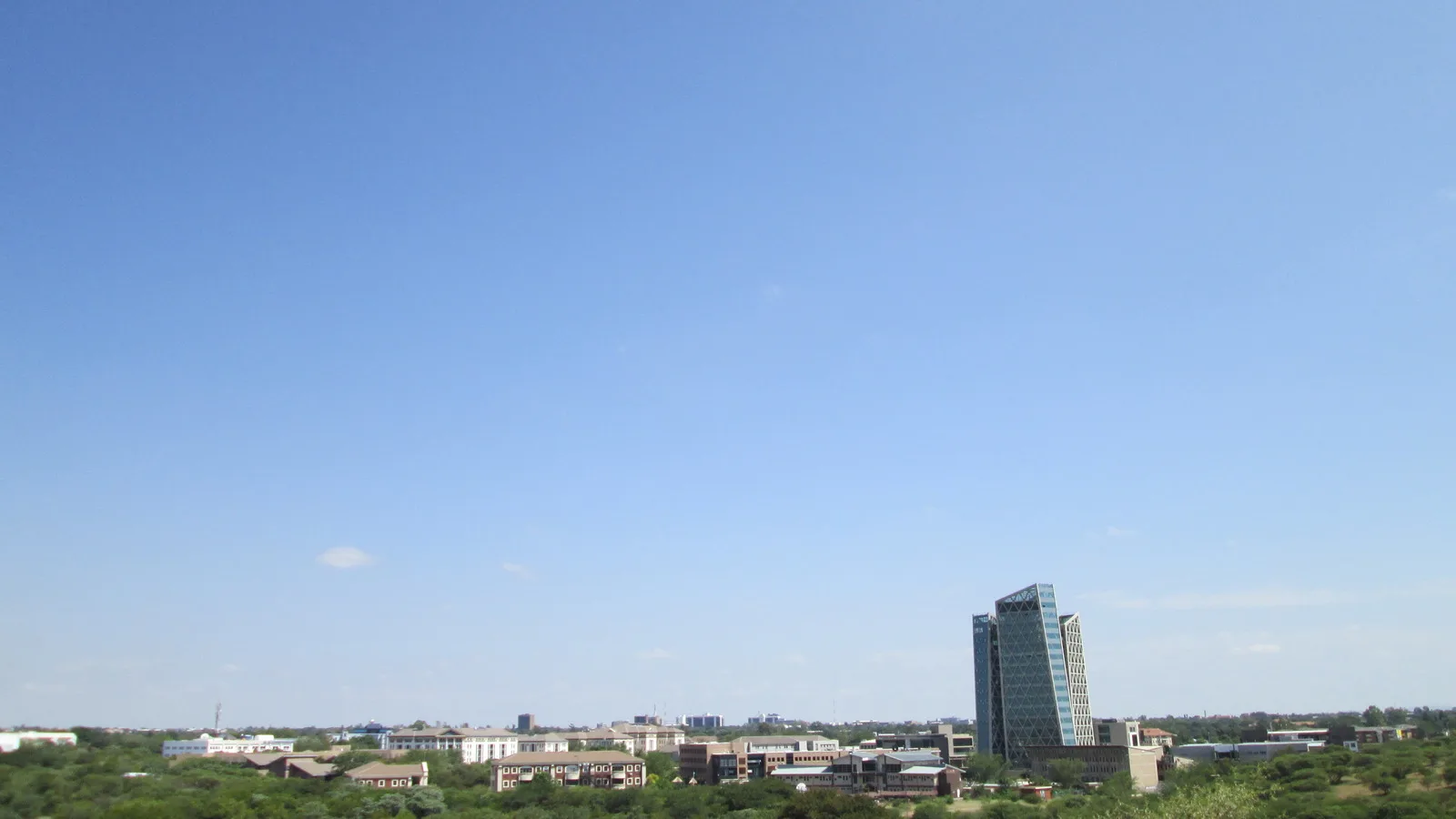
Credit Njengabenngugi, CC BY-SA 4.0, via Wikimedia Commons
Botswana does not have an Atlantic story. It is landlocked, it was a British protectorate rather than a settler colony, and it was one of the poorest countries in the world when it became independent in 1966. The thread worth following here is what it did next.
Seretse Khama, and a marriage that became foreign policy
Seretse Khama was heir to the Ngwato chieftaincy, studying in London, when he married Ruth Williams, a white Englishwoman, in 1948. Apartheid South Africa objected. Britain, which needed South African cooperation, exiled him from his own country for years rather than annoy Pretoria.
He returned, renounced the chieftaincy, went into politics and became the first president of an independent Botswana. It is a personal story that is also the clearest possible illustration of how the region worked, and it is the single most useful piece of history to arrive with.
Diamonds, and the counter-example
Diamonds were found shortly after independence. What happened then is the reason Botswana is discussed in economics courses: the revenue was negotiated into a partnership with the state, and it was largely invested rather than extracted, into schools, clinics and roads over decades.
Botswana is not a paradise and the country will tell you so itself, with real inequality and a heavy dependence on one commodity. But for a visitor whose sense of Africa has been shaped by the resource curse, it is the counter-example, and it happened here, and it is worth understanding rather than romanticising.
A Frontline State
Botswana shares a border with what was then apartheid South Africa and with what was then Rhodesia, and it took in people fleeing both. It was a Frontline State, and it paid the costs of that position, including cross border raids. Zambia hosted the liberation movements in exile; Botswana was the country people crossed into.
The older layer
For a visitor interested in the precolonial past, the material is here and it is largely unvisited. Botswana’s own World Heritage nomination for the Makgadikgadi Pans records Early Iron Age settlements of the Toutswe tradition, around two hundred recorded sites and more than five hundred individual stone walls of the Sotho Tswana tradition, out on and around the pans.
Toutswemogala Hill, the type site for that tradition, has been on the Tentative List since 1999. Almost no itinerary goes there. That is a gap in what is offered rather than a gap in what exists.
What this page will not do
It will not suggest that a DNA test can point you at a Botswanan village. It will not describe any site here as a door of no return, because the Atlantic trade did not run through this country. It will not offer San culture as a heritage experience: the relationship between the state and the Basarwa is contested and litigated, and a visitor is not the right person to resolve it.
Approaching it honestly
- Read about Seretse Khama and Ruth Williams before you arrive
- Understand the diamond revenue story as economics rather than as a fable
- Expect precolonial archaeology to be present and largely unvisited
- Engage with San communities through community run organizations only
- Do not expect a genealogical answer, because the records for one do not exist
Sources
- UNESCO World Heritage Centre: the Makgadikgadi Pans Landscape on Botswana’s Tentative List
- UNESCO World Heritage Centre: Botswana, its inscribed properties and its Tentative List
- Government of Botswana: the national government portal
The archaeological detail above is taken from Botswana’s own Tentative List submission to the World Heritage Centre.