Heritage
Chongoni Rock-Art Area: Visitor and Heritage Guide
The richest concentration of rock art in Central Africa, painted by BaTwa hunter-gatherers and by Chewa farmers, and still used in initiation today.
- Country Malawi
- Category Heritage
- Reviewed 19 August 2026
- Sources 4
- Length 2 min read
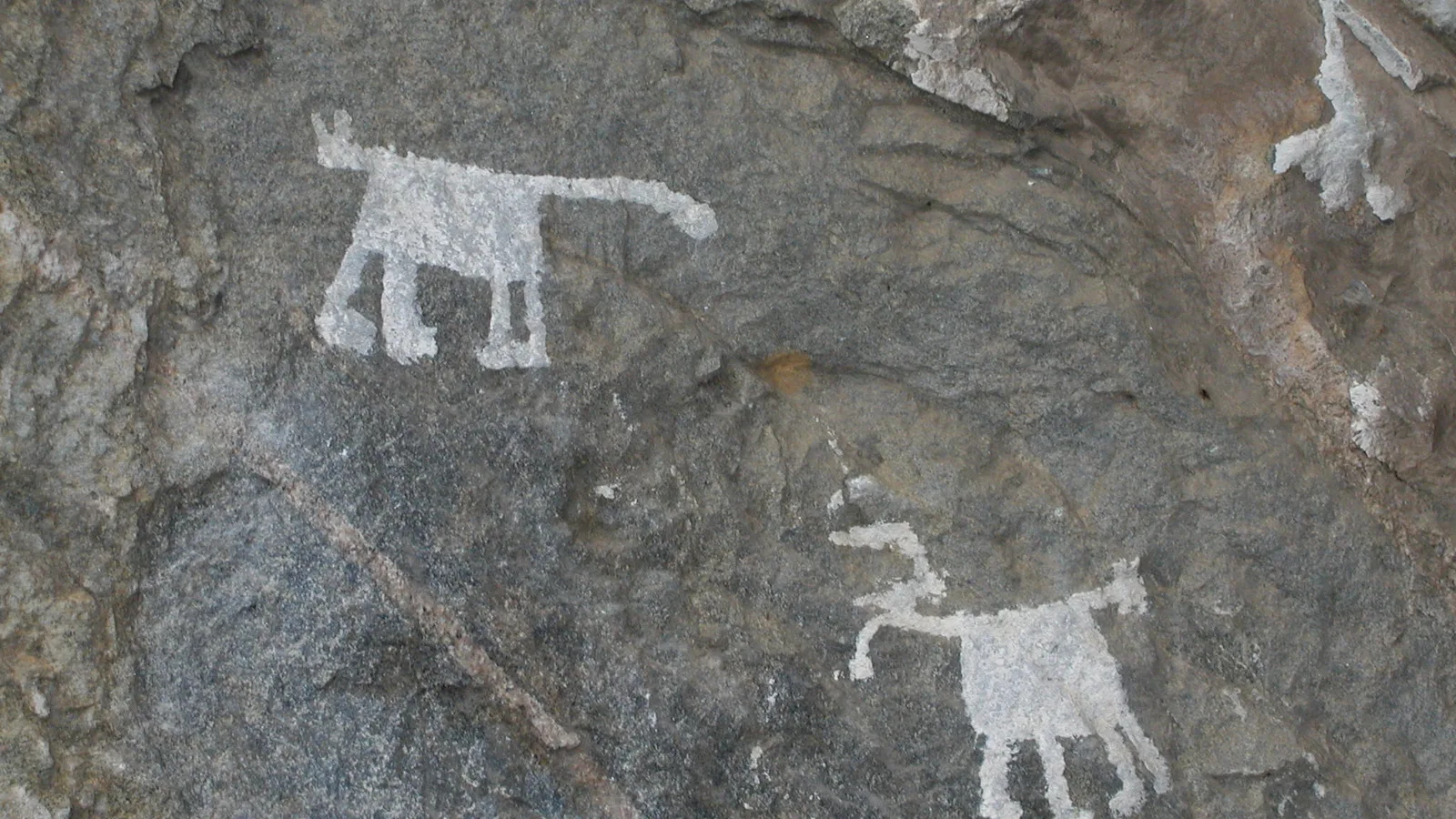
Credit Lazare Eloundou Assomo, CC BY-SA 3.0 igo, via Wikimedia Commons
In a cluster of forested granite hills high on the plateau of central Malawi, near Dedza, there are 127 rock art sites across an area of 126.4 square kilometers. Together they form the richest concentration of rock art in Central Africa, and they were inscribed on the World Heritage List in 2006 under two cultural criteria.
Two traditions, thousands of years apart
What makes Chongoni unusual is that it holds two distinct painting traditions. The older belongs to the BaTwa, hunter-gatherers who inhabited the area from the late Stone Age. The later belongs to the Chewa, agriculturalists whose ancestors lived there from the late Iron Age and who went on painting until well into the twentieth century.
Farmer rock art is comparatively scarce anywhere in the world, which is part of why the site matters. The symbols are strongly associated with women, and they are not a closed chapter: they still carry cultural meaning among the Chewa.
Still in use
This is the part that separates Chongoni from a gallery. The inscription records that the same Chewa Nyau masked figures that inspired the rock art can be seen conducting rituals in most villages around Chongoni at all times of the year, and that Chinamwali, the Chewa girls' initiation ceremony, continues to be practiced, mostly in secret, in some of the painted shelters that contain older Chinamwali rock art.
Criterion (vi) rests on exactly that continuity: the association between the images and living traditions of initiation and of the Nyau secret society, evidenced across many centuries, which the Committee described as making Chongoni a powerful force in Chewa society and a significant place for the whole of southern Africa.
Visiting with care
- Dedza is the base. The main shelters are reached on foot from the road, with a guide.
- Take a local guide. The sites are scattered across the hills and many are not marked.
- Some shelters are in active ritual use. If you are asked not to enter, do not enter.
- Do not touch the paintings, and do not wet them to bring out the color.
- Photograph the art, not people at a ceremony, unless you have asked and been told yes.
- The Gule Wamkulu you may be offered in a village is the same tradition the paintings record.
Sources and references
- UNESCO: Chongoni Rock-Art Area
- UNESCO: Gule Wamkulu
- Malawi culture and etiquette
- Malawi: the destination guide
The 127 sites, the area of 126.4 square kilometers, the BaTwa and Chewa traditions, the association with women, and the Nyau and Chinamwali continuities are all taken from the property page on the UNESCO World Heritage List. Gule Wamkulu is separately inscribed on the intangible heritage list for Malawi, Mozambique and Zambia.