Heritage
Beyond the Pyramids: Discovering Egypt’s Living Heritage
A journey through Egypt’s ancient beliefs, layered civilizations, living culture, and landscapes beyond its most famous monuments
- Region North Africa
- Country Egypt
- Category Heritage
- Reviewed 30 October 2026
- Length 8 min read
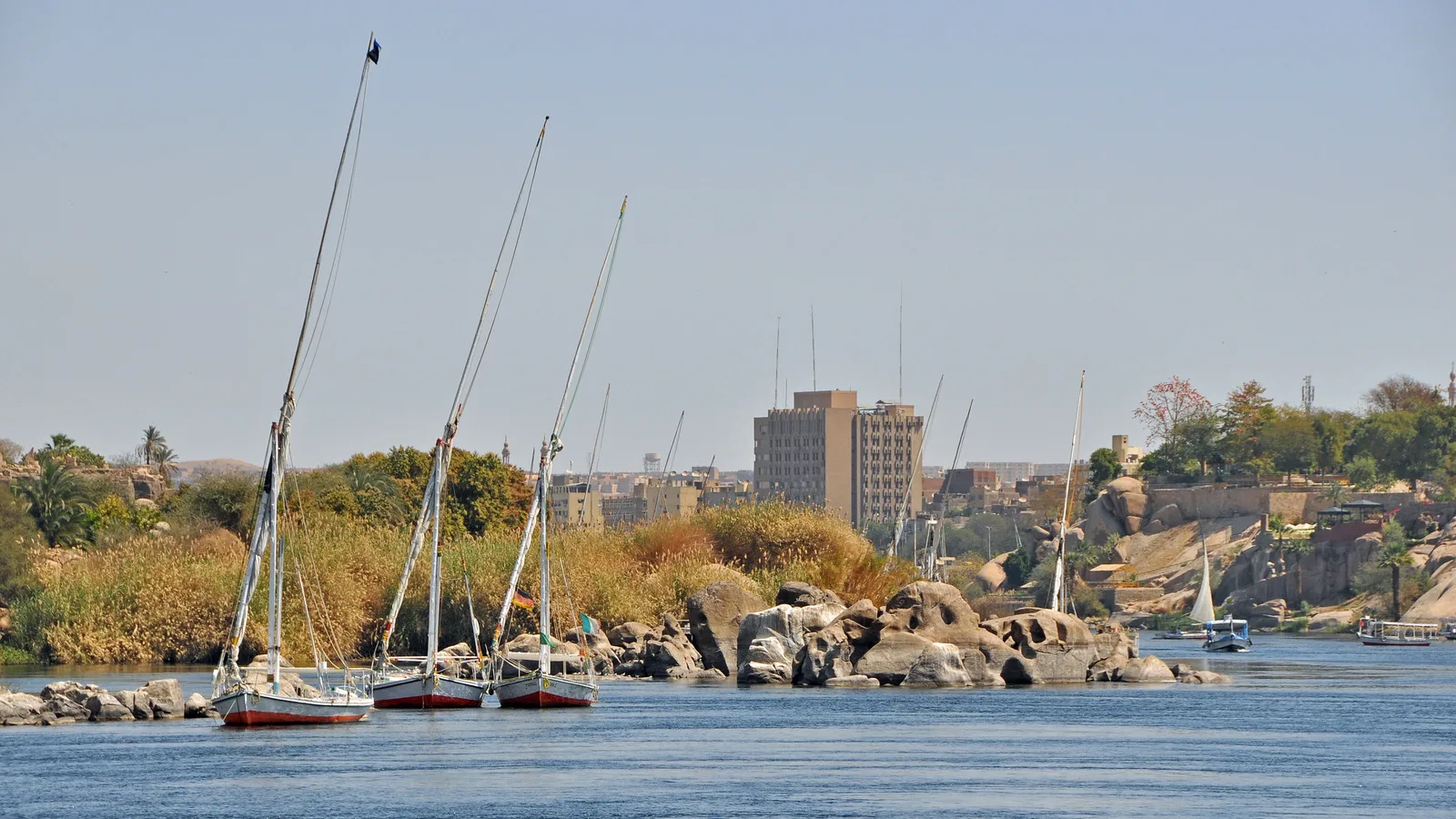
Feluccas under sail on the Nile at Aswan. · Credit Marc Ryckaert (MJJR), CC BY 3.0, via Wikimedia Commons
At sunset on the Giza Plateau, the sounds of nearby Cairo begin to soften. The pyramids, familiar from photographs and history books, take on a different character as their outlines rise against the evening sky. During the day, visitors are often animated by the size and engineering of the monuments. In the quieter evening hours, many begin to reflect on their age, purpose, and connection to the people who built them.
This contrast captures something important about Egypt. It is a country known throughout the world for its ancient monuments, yet its story extends far beyond the pyramids. Egypt is also a living destination shaped by the Nile, successive civilizations, religious traditions, coastal landscapes, modern cities, and communities that continue to preserve and interpret their heritage.
As an Egyptian with a master’s degree in Egyptology from Helwan University, I have spent years studying my country’s history and observing how travelers respond to it. Visitors often arrive expecting to see famous monuments. Many leave with a deeper appreciation of the beliefs, achievements, and everyday lives of the people behind those monuments.
Egypt at the Crossroads of Africa and Asia
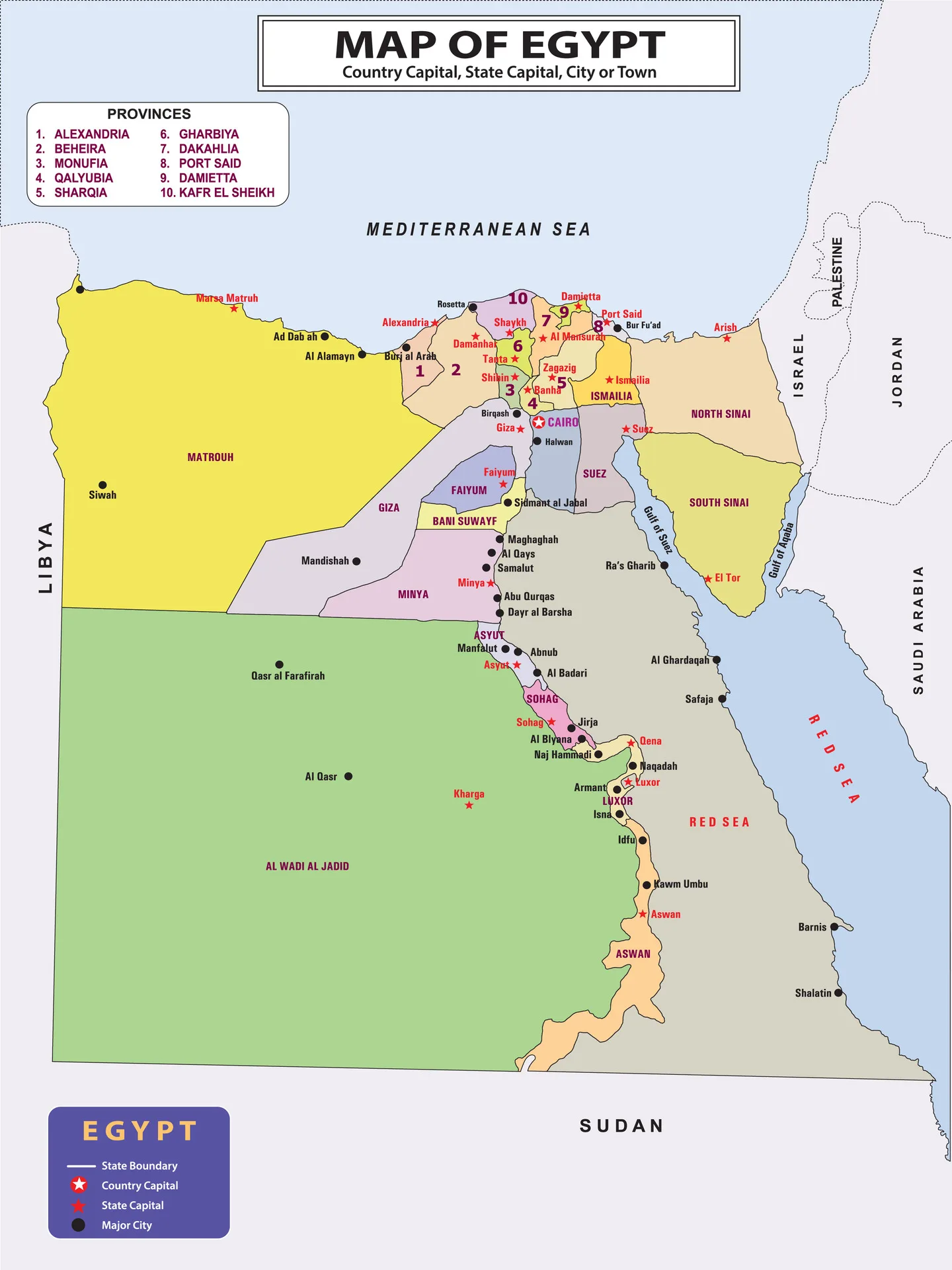
Egypt occupies the northeastern corner of Africa and is connected to Asia through the Sinai Peninsula. The Mediterranean Sea lies to the north, while the Red Sea forms much of the country’s eastern coastline. Libya borders Egypt to the west and Sudan to the south.
This geographic position has helped make Egypt a meeting place for African, Mediterranean, Arab, and Middle Eastern influences. Throughout history, travelers, merchants, religious communities, scholars, and empires have passed through or settled in the region.
The Nile has played the most important role in shaping Egyptian civilization. For thousands of years, communities developed along its banks, where water and fertile land made agriculture possible. The river supported settlement, trade, transportation, and cultural exchange. Even today, the Nile remains central to Egyptian geography and identity.
Cairo, Egypt’s capital, is one of Africa’s largest and most culturally significant cities. It is located near the Giza Plateau, where the pyramids and the Great Sphinx stand, but Cairo should not be viewed only as a gateway to ancient monuments. It is a modern city with historic neighborhoods, museums, religious architecture, markets, universities, businesses, and communities representing many periods of Egyptian history.
Understanding the Beliefs Behind the Monuments
Ancient Egyptian monuments become more meaningful when visitors understand the beliefs that inspired them.
Ancient Egyptians believed that death was not necessarily the end of existence. They developed religious traditions concerning the afterlife, resurrection, judgment, and the continued relationship between the body and the spirit. These beliefs influenced burial practices, tomb decoration, mummification, religious texts, and the construction of funerary monuments.
Mummification was intended to preserve the body because physical preservation was connected to ancient Egyptian ideas about life after death. Tombs were also prepared with objects, images, offerings, and texts believed to assist the deceased in the next world.
The pyramids were built as royal tombs during particular periods of ancient Egyptian history. They represented political power, religious belief, architectural knowledge, and the enormous organization required to move materials and coordinate workers.
The Great Pyramid of Khufu at Giza is the most internationally recognized example, but it forms part of a much larger archaeological landscape. Egypt contains many pyramid complexes and royal burial sites, particularly around areas such as Giza, Saqqara, Dahshur, Abusir, and other locations along the Nile Valley.
Visitors frequently admire the pyramids for different reasons. Some are impressed by their scale. Others focus on their age, their engineering, their religious meaning, or the mystery created by their survival across thousands of years.
For me, one of the most interesting moments is seeing how visitors’ questions change during a tour. At first, they may ask how large the stones are or how the pyramids were constructed. Later, they begin asking about the people: What did they believe? How did they live? Who organized the work? What did the monuments mean to Egyptian society?
Those questions help transform a visit from sightseeing into an encounter with history.
More Than One Civilization
Egypt’s heritage cannot be understood through the Pharaonic period alone. The country also preserves important evidence of Greco-Roman, Coptic Christian, Islamic, Ottoman, and modern history.
Alexandria reflects Egypt’s long relationship with the Mediterranean world. The city became a major center of learning and commerce during the Greco-Roman period and continues to have a distinctive coastal identity.
Coptic churches and monasteries preserve the history of one of the world’s oldest Christian communities. In Cairo and other parts of the country, visitors can encounter religious sites connected to centuries of Christian worship, scholarship, and artistic tradition.
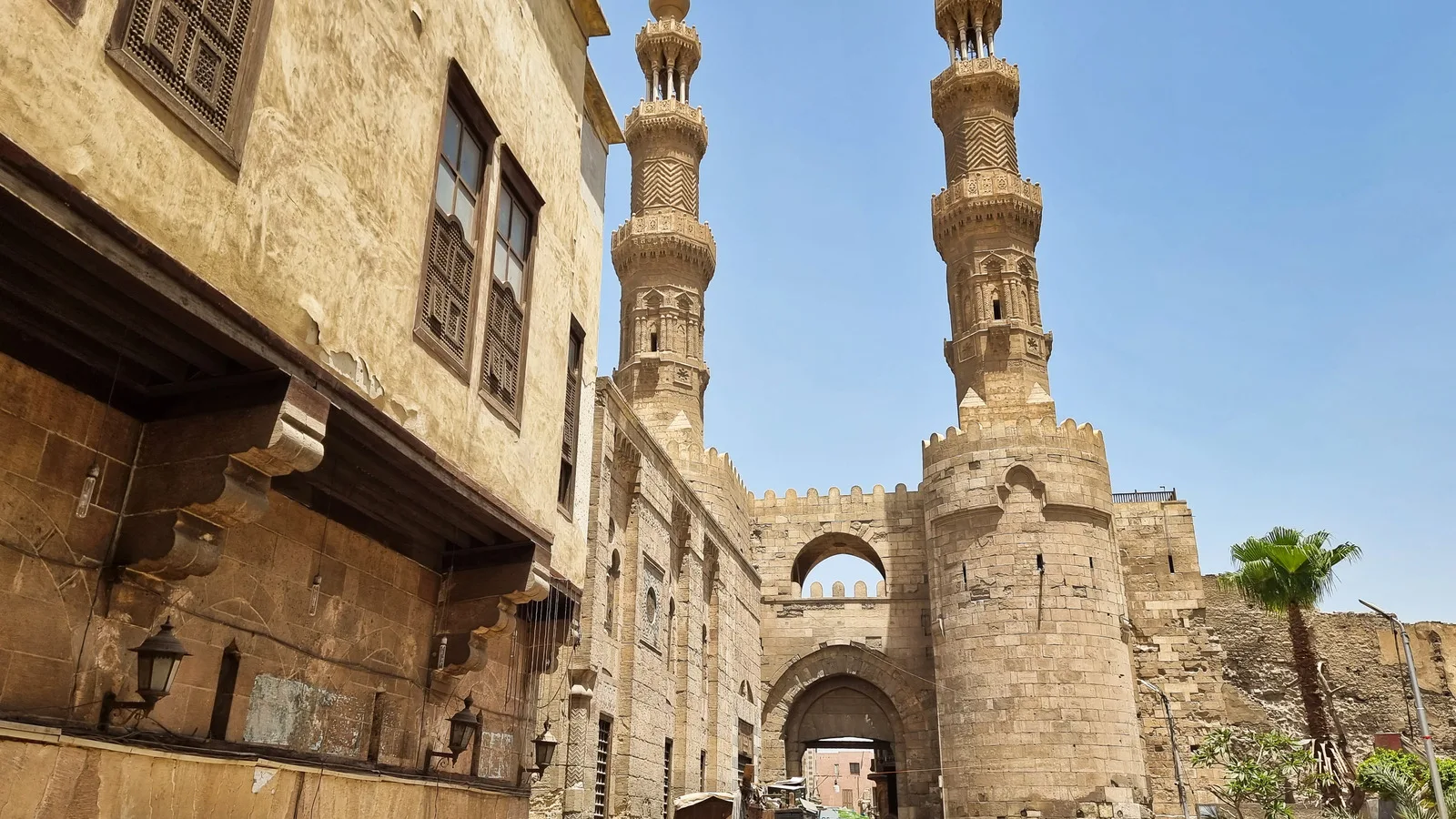
Egypt’s Islamic heritage is visible in historic mosques, schools, houses, markets, fortifications, and urban neighborhoods. Islamic Cairo offers visitors an opportunity to understand how architecture, religion, craftsmanship, trade, and community life developed together.
These different layers do not exist only as separate chapters in a history book. They can often be encountered within the same city. A traveler may visit an ancient site in the morning, explore a historic church or mosque in the afternoon, and experience contemporary Egyptian food, music, and daily life in the evening.
This continuity is one of the qualities that makes Egypt distinctive. It is not simply a collection of ruins. It is a country where the past remains present in language, traditions, landscapes, religious practices, museums, architecture, and family stories.
The Nile and the Red Sea
A journey through Egypt can combine cultural exploration with time in natural and coastal environments.
Travel along the Nile allows visitors to see how settlements developed beside the river and to visit important archaeological sites in areas such as Luxor and Aswan. The landscape also provides a clearer understanding of why the Nile was so important to agriculture, transportation, and ancient religious thought.
Egypt’s Red Sea coast offers a different experience. Destinations such as Hurghada and Sharm El Sheikh are known for coastal scenery and activities including swimming, diving, snorkeling, boating, and windsurfing.
Combining the Nile Valley with the Red Sea can help travelers appreciate Egypt’s geographic diversity. The country includes river landscapes, agricultural communities, deserts, major cities, archaeological sites, Mediterranean coastline, and Red Sea environments.
Travelers should select activities that are appropriate for their experience and physical ability and should use licensed or reputable providers for diving, boating, guiding, and transportation.
Meeting the People of Egypt
Monuments may bring many travelers to Egypt, but conversations with local people often become an equally memorable part of the journey.
Hospitality is highly valued in Egyptian society. Visitors may experience it through a shared meal, a conversation over tea, help offered by a guide or shopkeeper, or the welcome extended by a local family.
At the same time, visitors should avoid treating all Egyptians as though they share the same experiences or outlook. Egypt is a large and diverse country. Life in central Cairo differs from life in a Nile Valley village, a coastal community, an oasis, or an Upper Egyptian city.
Travel becomes more meaningful when visitors approach these differences with curiosity and respect. Asking thoughtful questions, listening to local perspectives, learning a few Arabic greetings, dressing respectfully at religious sites, and seeking permission before photographing people can help create more positive interactions.
Travelers can also support local communities by using qualified local guides, purchasing directly from craftspeople when possible, eating at locally owned establishments, and respecting the rules that protect archaeological and natural sites.
Planning a Thoughtful Visit
The most suitable time to visit depends on the traveler’s itinerary, heat tolerance, and chosen region. Many visitors prefer the milder months between approximately October and spring, particularly when visiting outdoor archaeological sites. Summer can be extremely hot, especially in southern Egypt and desert areas.
Travelers should check current weather conditions shortly before departure because temperatures vary by season and location.
The national currency is the Egyptian pound. Exchange rates change regularly, so visitors should consult a reliable financial source or banking provider for the current rate rather than relying on a rate printed in an article.
Credit and debit cards are commonly used in many hotels, larger restaurants, shops, and established tourism businesses. However, carrying a reasonable amount of local currency may be helpful for smaller establishments, markets, tips, local transportation, or places where electronic payment is not available.
Before You Go
- Check current entry and visa requirements through official sources.
- Purchase appropriate travel insurance.
- Confirm opening hours before visiting museums or archaeological sites.
- Follow photography rules at monuments and museums.
- Carry water and sun protection.
- Use licensed guides and reputable transportation providers.
- Wear respectful clothing when entering religious buildings.
- Avoid contact with or climbing on protected monuments.
Conditions, regulations, admission arrangements, and payment practices can change. Travelers should verify current information with official tourism authorities, museums, airlines, accommodation providers, and other reliable sources before traveling.
Looking Beyond the Famous Images
The pyramids deserve their place among the world’s most admired monuments. However, Egypt rewards travelers who look beyond their size and fame.
The deeper story lies in the ideas, skills, communities, and landscapes that made such achievements possible. It can be found in ancient beliefs about eternity, in the relationship between the Nile and human settlement, in the coexistence of different historical traditions, and in the lives of Egyptians who continue to care for and interpret their heritage.
A thoughtful journey through Egypt is therefore more than a visit to archaeological sites. It is an opportunity to encounter a living country whose history continues to shape its present.
Travelers who arrive with curiosity, patience, and respect may discover that Egypt’s greatest impression comes not from a single monument, but from the connection between its past, its people, and its enduring sense of place.