Heritage
Liberation Heritage Sites in Zambia: Visitor and Heritage Guide
Zambia sheltered the liberation movements of five neighbors, and it has now asked UNESCO to recognize the camps, bridges and rooms where that happened.
- Country Zambia
- Category Heritage
- Reviewed 18 August 2026
- Sources 4
- Length 4 min read
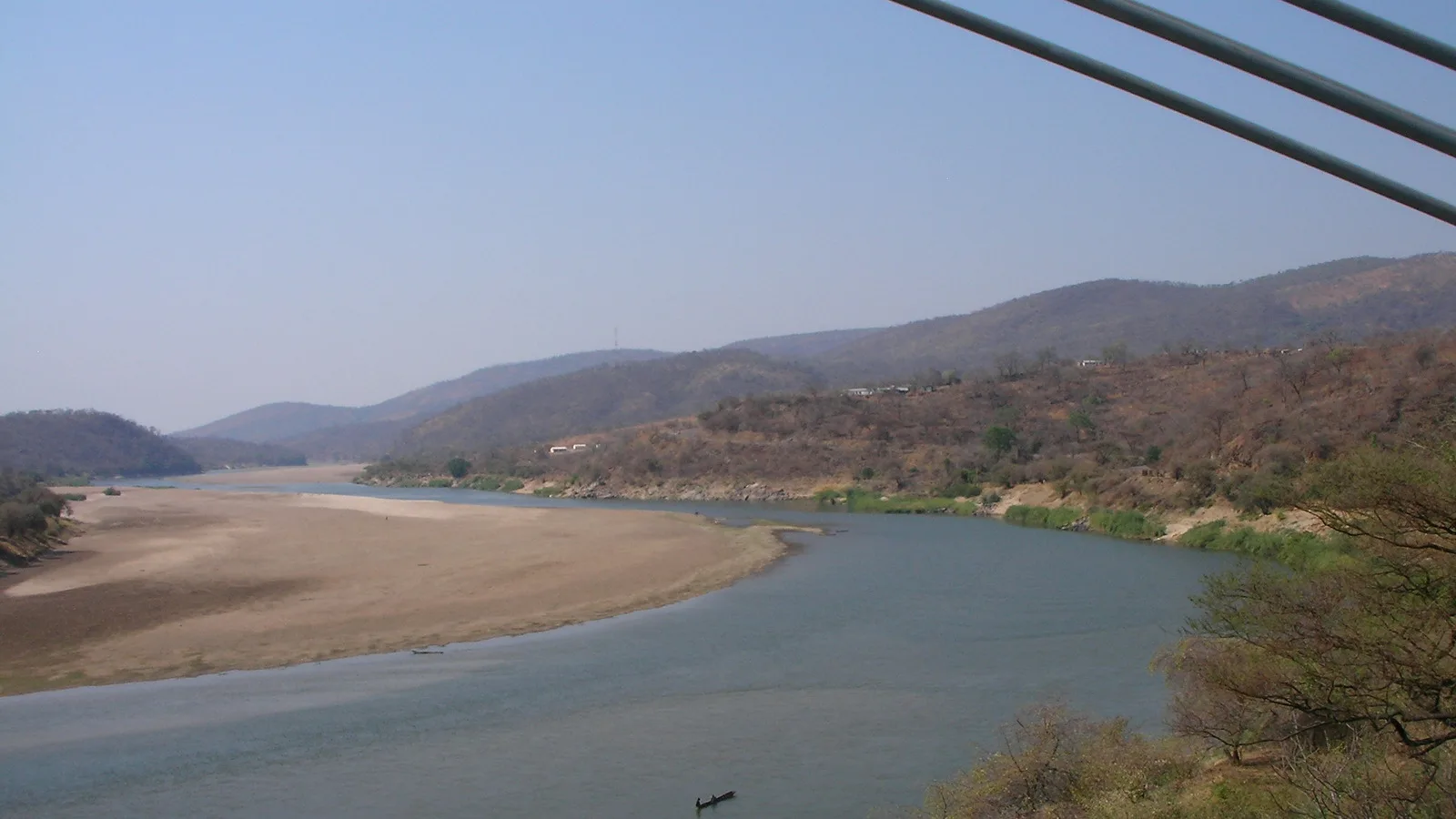
Credit Brian Dell, public domain, via Wikimedia Commons
Zambia has one World Heritage property and it is a waterfall. In March 2026 it filed thirteen more proposals at once, and the one that would change what this country is known for is not a landscape at all. It is a list of camps, bridges and meeting rooms, and it is about the twenty years when Zambia paid for other countries’ freedom.
What Zambia has actually proposed
The property is filed as Southern Africa Liberation Heritage Sites in Zambia: Preserving the legacy of Humanism, Solidarity and Peace. It was submitted on 5 March 2026 by the National Heritage Conservation Commission, as a cultural property under criterion (vi), and it is a serial nomination: many separate places treated as one proposal. They lie across Lusaka, Central, Eastern and Northwest Provinces.
UNESCO groups the components in three kinds, and names eleven places between them.
The places UNESCO names
Zambia’s liberation history is far larger than eleven places. These are the ones the nomination itself lists, and no others are added here.
- Freedom and refugee camps: Chikumbi, Nampundwe, Mkushi and Victory Camp, in wooded country on the edges of Lusaka and Central Province
- Bridges and transport corridors: Chambeshi, Chongwe, Kaleya and Luangwa, the routes that kept a landlocked country supplied
- Urban political and diplomatic venues: the Mulungushi International Conference Centre, State House, and Evelyn Hone College in Lusaka
Why this is a different kind of liberation listing
Most liberation heritage anywhere in the world commemorates a country’s own struggle. Zambia was independent in 1964. What the nomination argues is the opposite shape: one nation’s calculated and expensive support for the freedom of its neighbors, over roughly three decades, at direct cost to itself.
The movements that operated from Zambian soil came from South Africa, Zimbabwe, Namibia, Mozambique and Angola. UNESCO records the association with Nelson Mandela through the presence of the African National Congress, and with Dag Hammarskjold through a memorial site. The diplomacy ran through the Organization of African Unity and the Non-Aligned Movement, and much of it happened in the buildings named above.
The three words in the title are the argument. Humanism is President Kenneth Kaunda’s philosophy, and the camps are offered as its physical form: a country absorbing displaced people as part of itself. Solidarity is the transport corridors, and the risk of keeping them open. Peace is the conference centre and the negotiating rooms. UNESCO’s wording treats the three as bound together rather than as stages.
The price, which is the part the bridges carry
A page about solidarity could stay comfortable. This nomination does not, because several of its components are places that were attacked. It names the bombed bridges at Chambeshi and Chongwe, the raided camps at Kavalamanja and Kakaro, and the Lusaka Post Office as a civilian target.
That is what Frontline State meant in practice. Zambia is landlocked, so its rail and road links were both its economy and its exposure, and colonial and apartheid-era forces treated them as legitimate targets. The nomination presents the damage as evidence rather than as grievance: proof that the solidarity was real enough to cost something.
Visiting: there is no single site and no single ticket
This is a serial property spread across four provinces, and any page implying you can see it in a day would be misleading you. Treat it as separate visits, planned individually.
Several components are working institutions rather than monuments. State House is the residence and office of the President. Evelyn Hone College teaches students. The Mulungushi International Conference Centre hosts conferences. Access, photography and opening arrangements are for each custodian to set and publish, and none of them is stated here because none of them was read from an authority.
The bridges are on public roads. The Luangwa bridge on the Great East Road, between Lusaka and Chipata, is the one you are most likely to cross without knowing what it is.
Before you go
- Confirm access with the custodian of each specific place, not with a general tourism inquiry
- Treat the camps as sites of exile and loss, not as viewpoints, and ask before photographing anyone
- Read the FCDO advice for current conditions on the roads between provinces
- Expect long drives: Lusaka to the Eastern Province bridges is most of a day
- Nothing here is inscribed, so there are no World Heritage signs, guides or visitor centres to look for
What is not settled
A tentative list is a country telling UNESCO what it may nominate in future. It is not a shortlist, it carries no protection, and it has no timetable. This entry was filed in March 2026, which in World Heritage terms is very recent indeed.
The nomination itself states that the settings remain largely intact and legible. It does not claim they are secure. If you want to know where the proposal stands, the UNESCO record is the only place that will tell you, and it is linked below.
Sources
- UNESCO World Heritage Centre: Southern Africa Liberation Heritage Sites in Zambia, tentative list ref 7000
- UNESCO World Heritage Centre: World Heritage and tentative list properties in Zambia
- UNESCO World Heritage Centre: Mosi-oa-Tunya / Victoria Falls, inscription 509
- UK Foreign, Commonwealth and Development Office: Zambia travel advice
The component names, provinces, criterion and submission date on this page are read from the UNESCO tentative list record and from nowhere else.