Heritage
Zambia and Diaspora Reconnection
Zambia is not a place to look for a ship that left, and the reconnection it offers is a different and less familiar one.
- Country Zambia
- Category Heritage
- Reviewed 18 August 2026
- Sources 2
- Length 3 min read
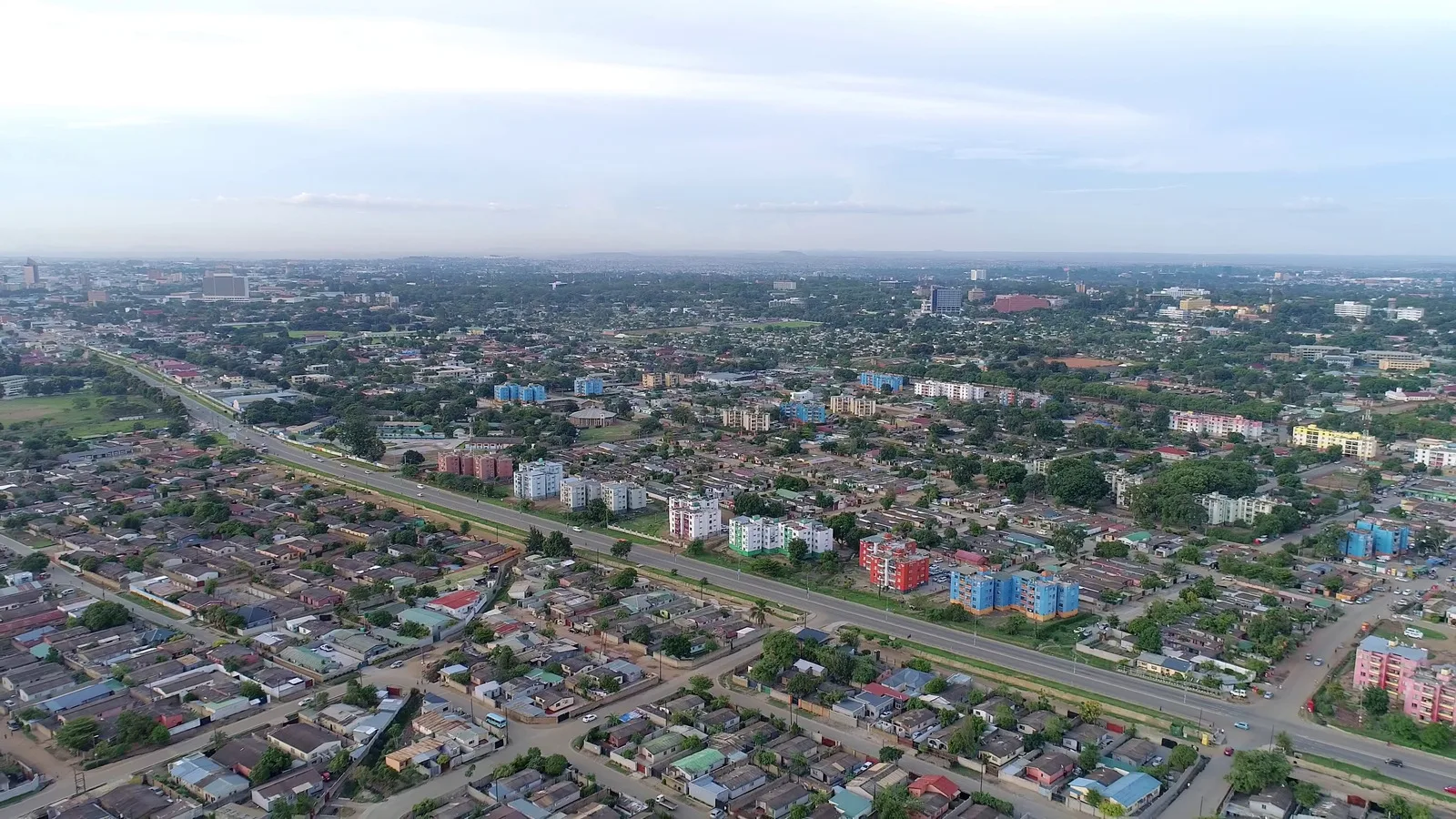
Credit Icem4k, CC BY-SA 4.0, via Wikimedia Commons
A great deal of heritage travel in Africa is organized around the Atlantic: the forts on the Gulf of Guinea, the doors that face the sea, the return of people whose ancestors were taken through them. Zambia has none of that, and a page that borrowed the language of it would be selling something that is not here.
Zambia is landlocked, a thousand kilometers from either coast, and it was not a transatlantic embarkation region. What it has instead is three different threads, and each of them is worth more than a borrowed one.
The trades that ran east
Long before Europeans reached this part of the interior, the middle Zambezi was connected to the Indian Ocean. The clearest evidence is at Ing’ombe Ilede, an Iron Age site near the confluence of the Zambezi and the Kafue, where burials were found with gold, copper crosses and glass beads that had been made a very long way away.
Zambia added Ing’ombe Ilede to its Tentative List for World Heritage in 2026. It is evidence that the people living here were part of a trading world reaching to the coast and beyond it, on their own terms, centuries before anyone drew a colonial border. That is a different story from the Atlantic one and it is not a smaller one.
The eastern and internal slave trades also ran through this region in the nineteenth century, and they are part of the same history. They are less written about, less memorialized and much less visited than the Atlantic trade, which is a gap rather than an absence of subject matter.
Lusaka in the liberation years
The second thread is recent enough that the people who lived it are still alive. After independence in 1964 Zambia became a Frontline State, and it paid for that position. Liberation movements from across southern Africa operated from Zambian soil, and the African National Congress ran its headquarters in exile from Lusaka for decades before returning to South Africa in 1990.
For a visitor from the African diaspora, particularly one whose own political education ran through the anti apartheid movement, Lusaka is not a stopover. It is where a great deal of that work was actually done. The city does not market this and you will not find a trail signposted for it, which is itself worth noticing.
Living lineage rather than recovered lineage
The third thread is the one that most changes what a visit feels like. In Ghana the question is often what was severed and whether any of it can be traced. In Zambia the lineages were not severed. Clans, chieftaincies, languages and ceremonies run continuously into the present, which is why the ceremonial calendar in this country is so full.
That makes the reconnection a matter of being present at something ongoing rather than recovering something lost. It also means nobody here is obliged to supply a visitor with a personal connection.
What this page will not do
It will not suggest that a DNA test can point you at a Zambian village, because it cannot. It will not describe any site here as a door of no return. It will not offer a ceremony as a way of finding your roots, because the ceremonies belong to the people holding them and are not about you.
What it will say is that arriving with an interest in this history, and with the patience to be told about it by the people whose history it is, is a far better plan than any itinerary sold as a homecoming.
Approaching it honestly
- Expect Indian Ocean and internal trade history, not an Atlantic story
- Read about the Frontline States before you arrive in Lusaka
- Treat ceremonies as somebody else’s living practice rather than your heritage experience
- Ask permission and ask questions, in that order
- Do not expect a genealogical answer, because the records for one do not exist
Sources
- UNESCO World Heritage Centre: Zambia, its inscribed property and its Tentative List
- UNESCO World Heritage Centre: the Barotse Cultural Landscape on Zambia’s Tentative List
The Tentative List entries referred to here were read from the World Heritage Center’s record of Zambia’s submissions.