Culture
Zambia Culture and Etiquette Guide
Zambia runs on greeting people properly, and a visitor who learns that one habit will be treated differently for the rest of the trip.
- Country Zambia
- Category Culture
- Reviewed 18 August 2026
- Sources 2
- Length 3 min read
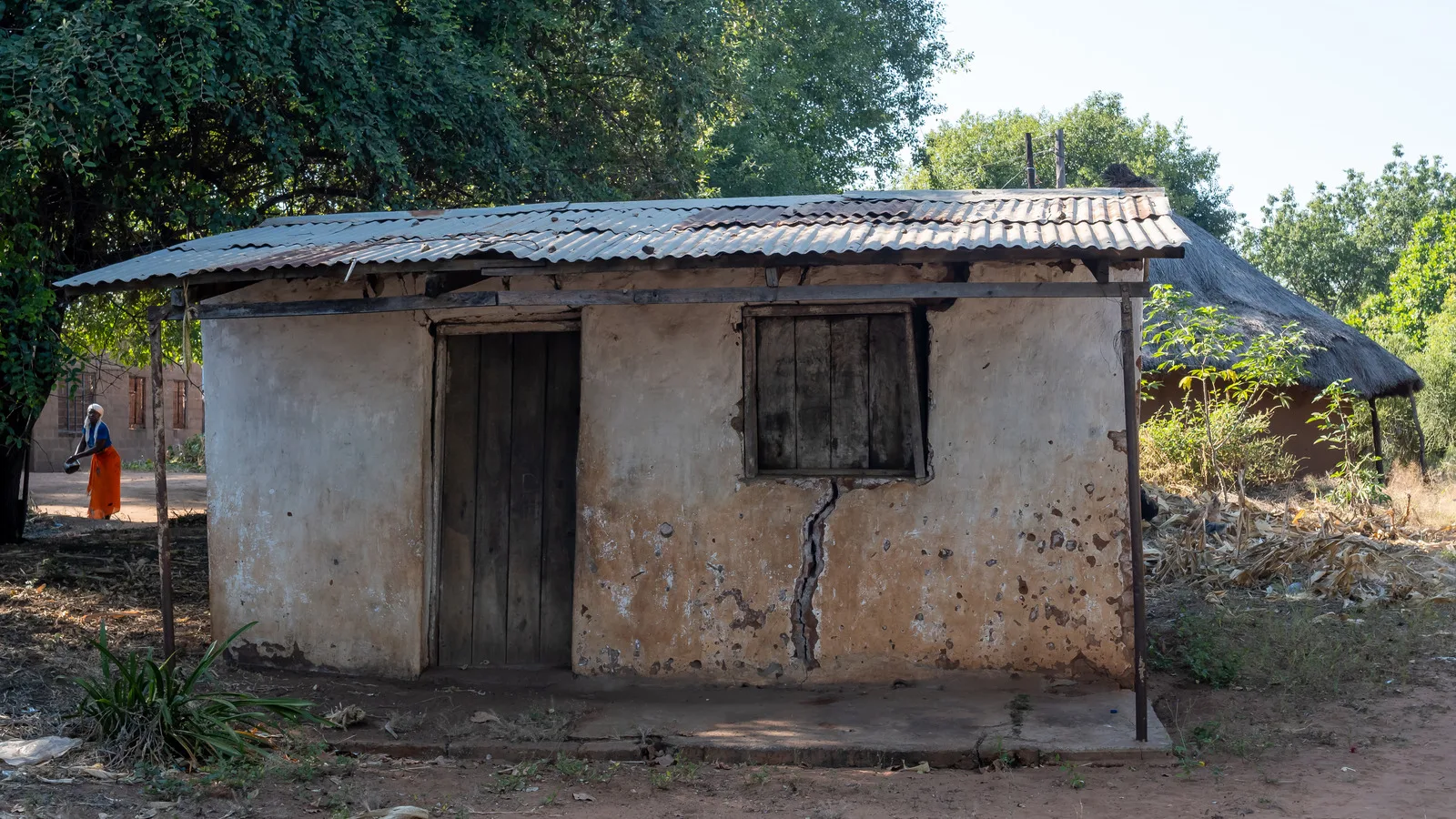
Credit Matti Blume, CC BY-SA 4.0, via Wikimedia Commons
Zambia has a reputation among travelers for being friendly, and reputations of that kind are usually doing something more specific than they sound. Here it comes down to a single habit that visitors can learn in an afternoon and that changes almost every interaction that follows.
Greet first, transact second
You do not begin with the question. You begin by greeting the person, asking how they are, and waiting for the answer, and only then do you ask where the bus goes or what the tomatoes cost. Walking up and opening with the request reads as brusque in a way that is hard to recover from, and it is the single most common thing visitors get wrong.
The greeting is often accompanied by a soft clap, or by supporting your right forearm with your left hand as you shake. Both are gestures of respect, and both are used more carefully with elders. Copy what the person in front of you does and you will be close enough.
Languages
English is the official language and is used in government, business and schooling, so you can travel the whole country in it. It is not what most people speak at home. Zambia recognizes several regional languages, among them Bemba, Nyanja, Tonga, Lozi, Kaonde, Lunda and Luvale, and which one you hear depends on where you are: Nyanja around Lusaka and in the east, Bemba across the Copperbelt and the north, Tonga in the south, Lozi in the west.
Learning the greeting in the language of the province you are in is a disproportionate amount of goodwill for a very small amount of effort.
The right hand, and other small things
Give, receive and eat with the right hand, or with both. Passing something with the left alone reads as careless. Money is often handed over with both hands as a courtesy.
Dress is more conservative than in much of southern Africa, particularly away from Livingstone and the lodges. Covered shoulders and knees in towns, at markets and in anything official will keep you from being the thing people are looking at.
Age carries weight. Elders are greeted first and deferred to in conversation, and a visitor who does this without being asked is noticed.
Photography
Ask before photographing a person, a home, a stall or a ceremony, and accept the answer. That is a matter of manners, and it is also the difference between a photograph somebody agreed to and one taken from them.
There is a legal edge to it as well. Photographing sensitive sites, including army barracks and government buildings, is illegal in Zambia and can lead to arrest. If you are not sure whether a building qualifies, do not take the picture.
One thing to know before you arrive
Same sex sexual activity is illegal in Zambia and a conviction can carry a long prison sentence. This publication states that on the etiquette page as well as the safety page because it is not only a legal risk: it shapes what is safe to say and to whom, and a reader it affects deserves to know before they are in the country rather than after.
Habits worth arriving with
- Greet, ask how someone is, and wait for the answer before you ask for anything
- Learn the greeting in the language of the province you are visiting
- Give, receive and eat with the right hand
- Dress more conservatively in towns and markets than at a lodge
- Greet the eldest person present first
- Ask before any photograph of a person, home or ceremony
- Never photograph army barracks or government buildings
Sources
Laws affecting visitors, including those described above, are set by the Zambian government. Nothing here is legal advice.