Culture
Madagascar Culture and Etiquette Guide
Ancestors are present, fady are local and binding, and a good speech is an art form. How Malagasy society works, and how to be a guest in it.
- Country Madagascar
- Category Culture
- Reviewed 19 August 2026
- Sources 4
- Length 2 min read
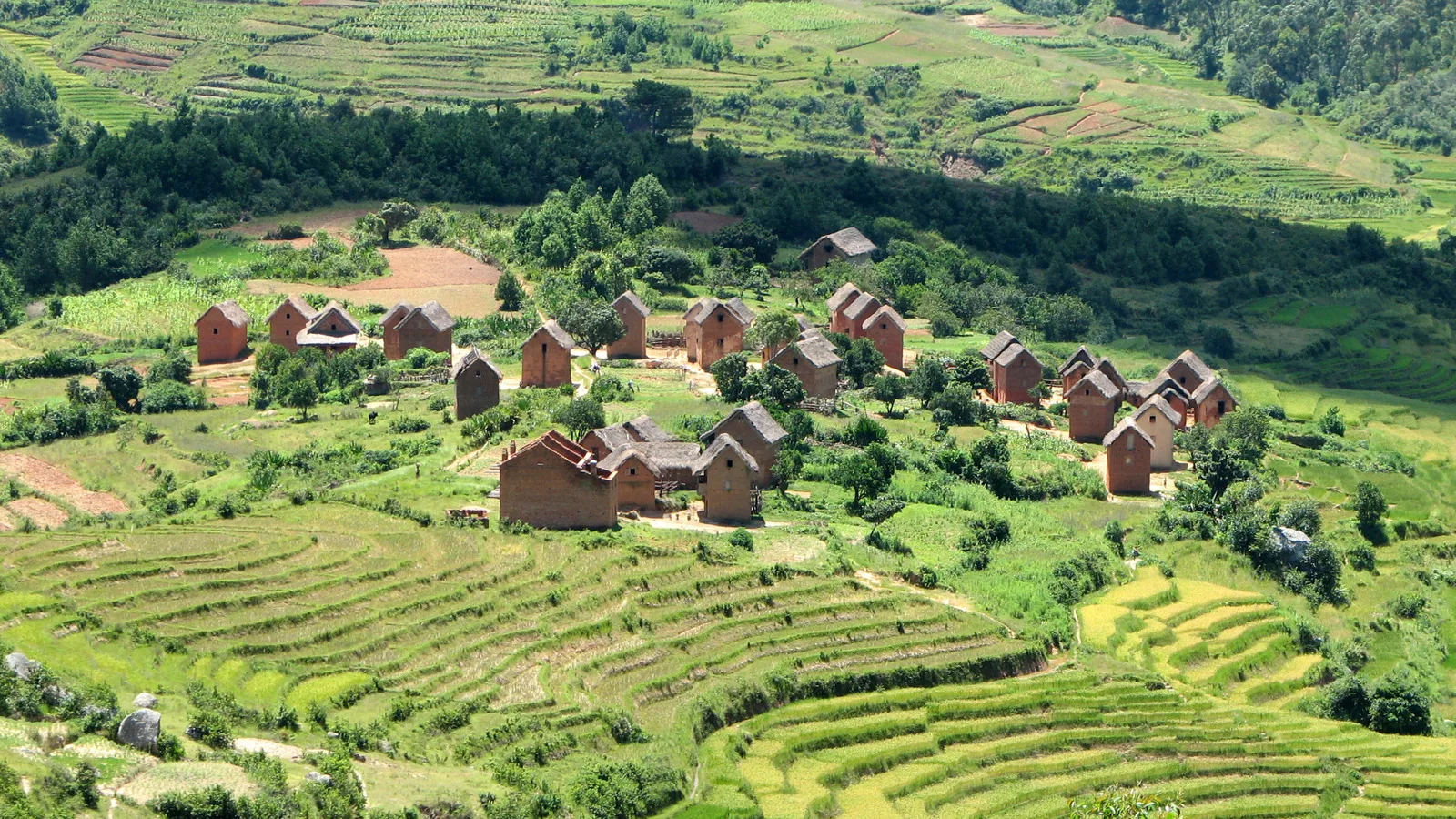
Credit Bernard Gagnon, CC BY-SA 3.0, via Wikimedia Commons
Madagascar shares a language across the whole island and eighteen or so recognized ancestral groupings within it, and it holds two ideas so consistently that understanding them will carry a visitor through almost any situation.
The first is that the ancestors, the razana, are participants rather than memories. The second is fady: the specific prohibitions that attach to a place, a family, a day or a person.
Fady, and why you must ask
A fady is a prohibition, and the crucial thing about it is that it is local. It may be fady to point at a tomb, to eat pork in one village, to work a particular day of the week, to swim in one stretch of a river, to bring a particular animal to a particular place. The next village along may have none of those and three others.
There is no list to memorise and no book to read. The only working approach is to travel with a local guide, ask before doing anything at a tomb, a spring, a forest or a village, and accept the answer without negotiating it. This is not superstition to be humored; it is the local law of the place you are standing in.
Famadihana, and why this page has no photograph of it
The custom outsiders have heard of is famadihana, the turning of the bones: a family exhumes its ancestors from the tomb after some years, rewraps them in fresh silk shrouds, carries them, speaks to them and dances with them, and returns them. It is a celebration, it is expensive, and it is the clearest expression of the idea that the dead remain part of the family.
It is also a funeral rite involving the remains of named people. A visitor attends by invitation, through a family, and not as an item on an itinerary. This page describes it and does not illustrate it, which is the same standard this site applies everywhere.
Everyday courtesies
- Greet before you ask. Manao ahoana and misaotra go a long way.
- Ask before photographing anyone, and always before photographing a tomb.
- Ask your guide about local fady on arriving anywhere new.
- Use your right hand for giving and receiving.
- Accept what is offered, even a little of it.
- Do not point with a finger. Use an open hand.
Kabary, and the value of not being blunt
Malagasy Kabary is the formal oratorical art, and UNESCO inscribed it on the Representative List. A kabary is delivered at weddings, funerals, famadihana and public occasions, and it works by indirection: proverbs, allusion, deference to the ancestors and a long approach to the point.
That style is not confined to the stage. Malagasy conversation generally prefers the indirect route, and a visitor who states things flatly and asks direct questions will be answered politely and will not get very far. Slow down, take the long way round, and let the other person arrive at the subject.
Sources
- UNESCO: intangible cultural heritage in Madagascar
- UNESCO: Malagasy Kabary, the Malagasy oratorical art
- UNESCO: Woodcrafting knowledge of the Zafimaniry
- Madagascar destination guide
Kabary and the Zafimaniry woodcrafting knowledge are both on the UNESCO Representative List of the Intangible Cultural Heritage of Humanity, and the record for Madagascar is linked below. The Zafimaniry knowledge was inscribed in 2008.