Food
Madagascar Food Guide
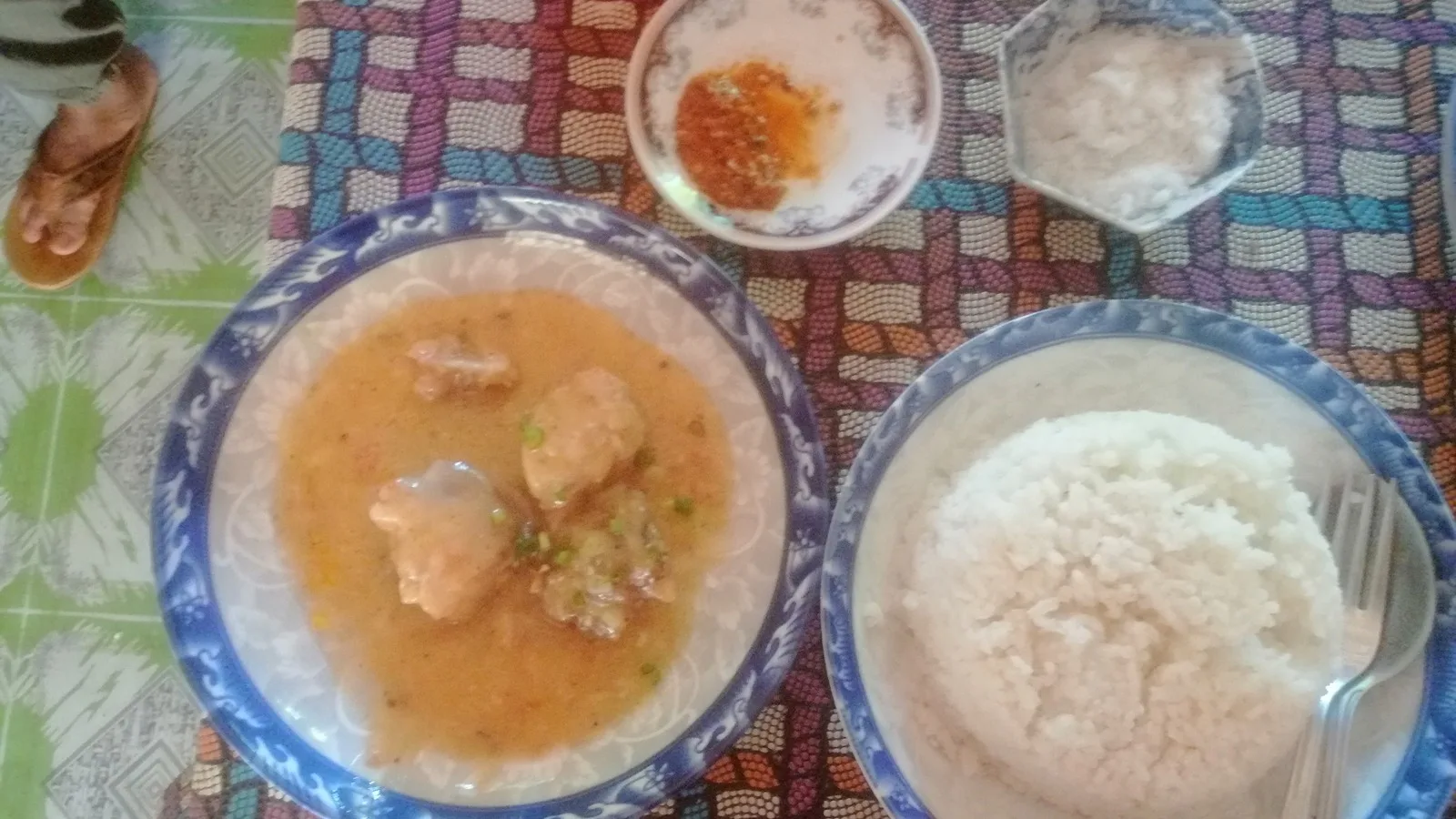
Rice at every meal, an accompaniment beside it, and a chili paste on the side. What to eat in Madagascar and what the menu is telling you.
- Country Madagascar
- Category Food
- Reviewed 19 August 2026
- Sources 3
- Length 2 min read
Credit Chirocca77, CC0, via Wikimedia Commons
Malagasy food is built on one thing and Madagascar eats more of it per person than almost anywhere on earth. Rice, vary, is not a side dish here. It is the meal, and everything else on the table is described in relation to it: the laoka, the thing you eat with the rice.
Understanding that single structure explains most menus you will see.
Rice, and what goes beside it
Romazava is the dish most often called the national one: beef simmered with leafy greens, including anamalaho, which has a peppery bite that numbs the tongue slightly. Ravitoto is pounded cassava leaves cooked long and slow, usually with pork, and is dark green, dense and much better than that description sounds.
On the coasts the laoka is fish, and it is often cooked in coconut, which is where the island's Southeast Asian inheritance is most obvious on a plate. Beside all of it comes sakay, a chili paste that ranges from warming to unwise, and often a bowl of ranovola, the smoky water made by boiling the browned rice crust in the pot.
Things worth ordering by name
- Romazava, beef with greens, and the closest thing to a national dish.
- Ravitoto, pounded cassava leaves, usually with pork.
- Fish in coconut sauce, particularly on the west and north coasts.
- Vary amin anana, rice cooked with greens, a breakfast and a comfort food.
- Mofo gasy, the fermented rice cakes sold from street griddles in the morning.
- Koba, pounded peanuts, rice flour and banana, steamed in a banana leaf.
Vanilla, and the other export you will meet
Madagascar grows most of the world's vanilla, almost all of it in the northeast around Sambava and Antalaha, and it is a crop with a hard history of price collapses, theft and violence in the growing districts. Buying some is a reasonable thing to do and buying it from a cooperative or a shop that can say where it came from is a better one.
The other thing you will meet is rum, flavored with fruit and bark and sold under the name rhum arrangé, and the local beer, which is what most of the country drinks.
Practical notes
Tap water is unsafe. Drink boiled or bottled water, avoid ice in drinks, and take the usual care with raw salad and unpeeled fruit outside places you trust. That is the FCDO's guidance and it is worth following without exception rather than most of the time.
Vegetarian eating is possible and takes asking, since laoka is usually meat or fish. Vary amin anana, ravitoto without the pork, and the bean and vegetable dishes are all common enough to build meals from.
Sources
- UK FCDO: Madagascar health advice
- TravelHealthPro: Madagascar country guide
- Madagascar destination guide
Food and water safety guidance is the Foreign, Commonwealth and Development Office's and TravelHealthPro's, read on 19 August 2026.