Culture
Mauritius Culture and Etiquette Guide
A Hindu majority, a Creole heart, four working languages and a great deal of quiet politeness. How Mauritius holds itself, and how to fit in.
- Country Mauritius
- Category Culture
- Reviewed 19 August 2026
- Sources 4
- Length 2 min read
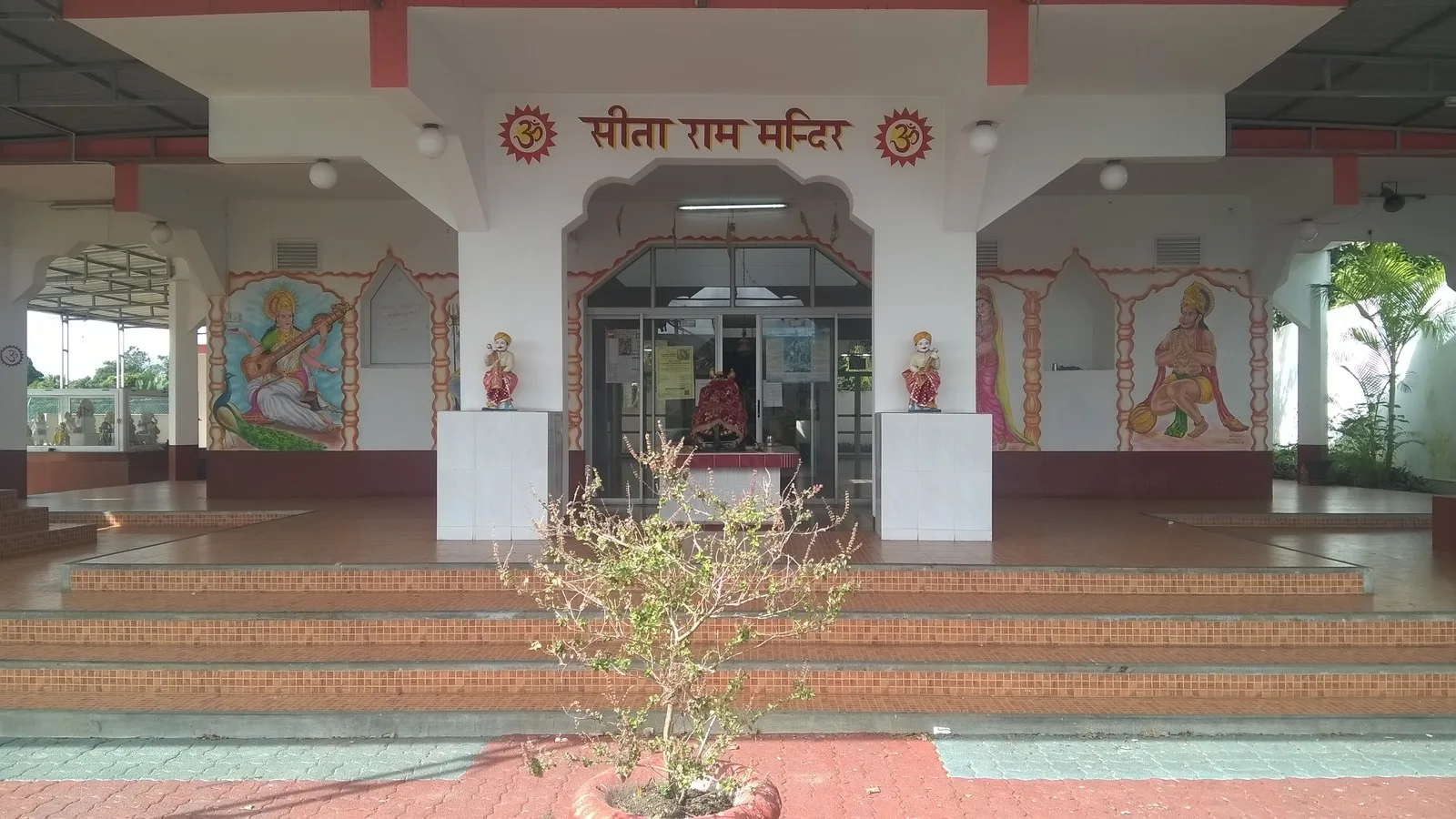
Credit Neshivo, CC BY-SA 4.0, via Wikimedia Commons
Mauritius had no indigenous population. Every person on the island is descended from someone who arrived, most of them against their will, and the country that resulted is one of the most religiously and linguistically plural places of its size anywhere.
It works, most of the time, on a habit of not making a scene. Understanding that habit is most of what a visitor needs.
Language
Mauritian Creole is what people actually speak, to each other, all day. French is the language of the newspapers, much of the broadcasting and a good deal of business. English is the language of government, of the law and of school. Bhojpuri is spoken in the villages and is the ancestor of the Geet-Gawai songs UNESCO inscribed in 2016.
Most people you meet will switch to English or French without being asked. Learning bonzour, mersi and korek will not be necessary and will be noticed.
Everyday courtesies
- Greet before you ask. A bonjour first is not optional anywhere here.
- Remove your shoes at a temple, a mosque and often at a private home.
- Cover shoulders and knees at any place of worship.
- Ask before photographing people, and expect to be told no at a shrine.
- Accept food and drink when offered, even a little of it.
- Use your right hand for giving and receiving where you are a guest.
Religion in public
Hindu, Catholic, Muslim and Buddhist observance all happen in the open here, and the calendar reflects it. A shrine at the roadside, a mandir at the end of a lane, a mosque in Port Louis and a chapel on a headland are ordinary rather than remarkable, and they are all in use.
The etiquette is the same in each. Shoes off, shoulders covered, phone away, ask before photographing. Ganga Talao in particular is a pilgrimage site rather than a viewpoint, and the difference is visible in how people behave when they get out of the car.
What not to be casual about
Two subjects deserve care. Slavery and indenture are not history to be enthused about; they are family history, and the descendants of both are the people you are talking to. Follow the lead of whoever you are with.
The second is politics between communities. Mauritians discuss it among themselves with a frankness a visitor should not imitate. Listen rather than contribute.
Sources
- UNESCO: intangible cultural heritage in Mauritius
- UNESCO: Bhojpuri folk songs in Mauritius, Geet-Gawai
- UNESCO World Heritage Centre: Aapravasi Ghat
- Mauritius destination guide
The linguistic and religious plurality described here is documented in the Aapravasi Ghat and Le Morne World Heritage inscriptions and in the UNESCO intangible heritage record for Mauritius.