Food
Mauritius Food Guide
Four cuisines arrived on one small island and did not stay separate. What to eat in Mauritius, from street samoussas to a Sunday biryani.
- Country Mauritius
- Category Food
- Reviewed 19 August 2026
- Sources 3
- Length 2 min read
Credit Benoît Prieur, CC0, via Wikimedia Commons
Mauritian food is the clearest evidence of how the island was populated. African, Indian, Chinese and French cooking arrived with people who had not chosen to come, or who had come to run the place, and after two centuries in one small space they stopped being four cuisines and became one.
You can still see the seams. That is part of the pleasure.
The street, first
Start with the street food, because it is the best introduction and the cheapest. Dholl puri is the national dish in everything but name: a thin flatbread stuffed with ground yellow split peas, folded around bean curry, pickle and a chili sauce called mazavaroo, handed over in paper. Two of them is lunch.
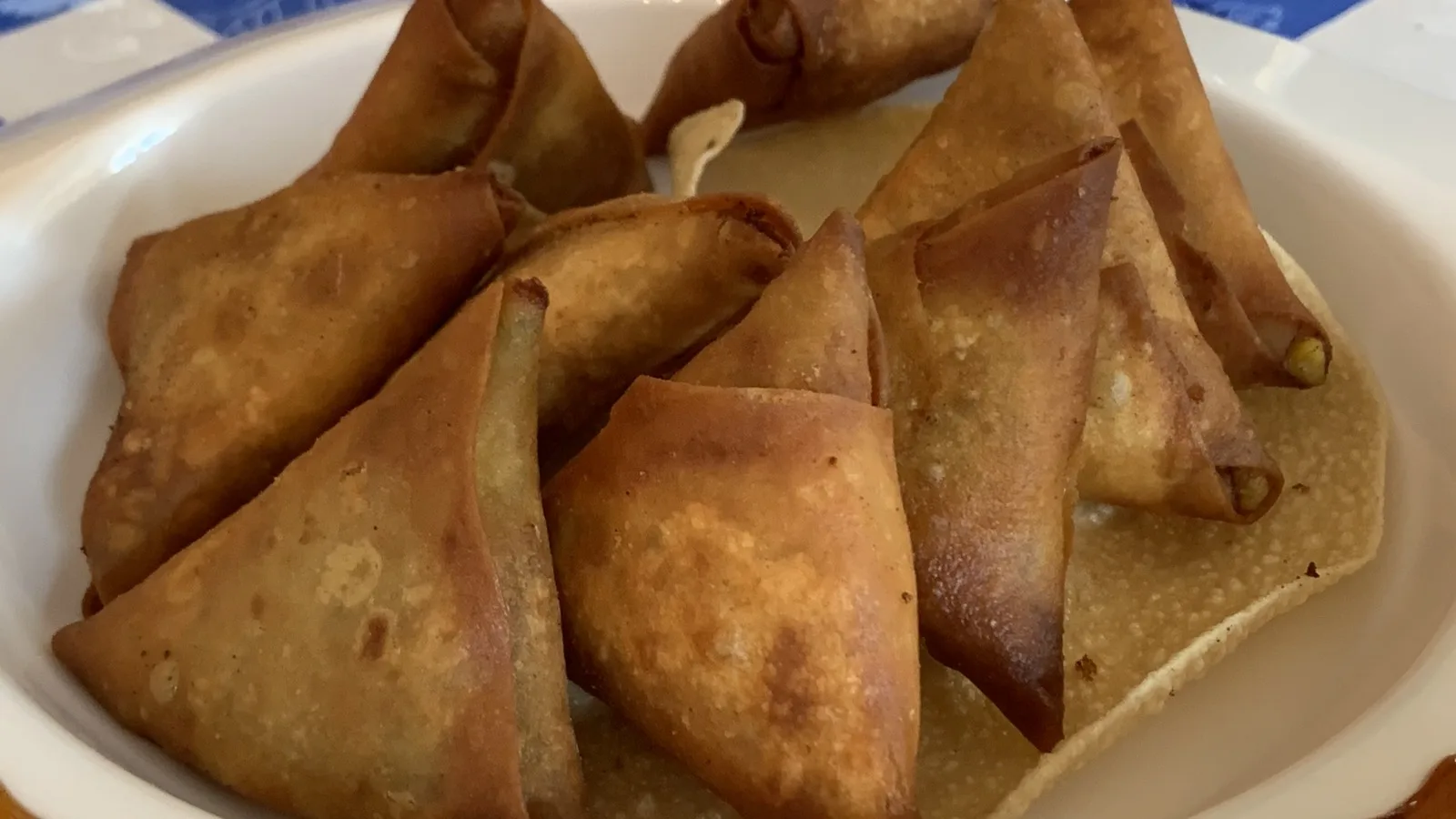
Alongside it, samoussas, gato pima, fried lentil cakes eaten by the handful, and boulettes, the steamed dumplings of Chinese Mauritian cooking, sold from a cart with a bowl of broth. Farata is the same flatbread served plain with a curry. None of it costs much and all of it is better bought where the queue is.
Things worth ordering by name
- Dholl puri, with bean curry and a small amount of mazavaroo the first time.
- Rougaille, a tomato and thyme braise, usually with fish or sausage.
- Vindaye, fish or octopus in mustard seed, turmeric and vinegar, served cool.
- Mine frite or bol renversé, from the Chinese Mauritian kitchen.
- Biryani, which in Mauritius is a Sunday and a wedding dish rather than a weekday one.
- Alouda, a cold milk drink with basil seeds, from the market in Port Louis.
Where the seams show
Rougaille is a Creole braise built on a French base. Vindaye descends from the Portuguese vinha d'alhos by way of India and is close kin to Goan vindaloo, and it is served cool, which almost nothing else in that family is. Biryani arrived with indentured laborers from north India and is now cooked for Mauritian occasions rather than Indian ones. Boulettes are Cantonese and are eaten with a chili paste that is not.
Ask where a dish came from and you will usually be told a route rather than a country. That is the honest answer.
Practical notes
Vegetarian eating is easy and is not an afterthought: a large part of the population eats vegetarian for religious reasons, and dholl puri, farata, mine frite and most of the street repertoire are vegetarian by default. Halal food is widely available. Pork is on menus and is absent from a good many kitchens.
Tap water is generally treated. Ask locally rather than assuming, take the usual care with anything raw, and eat where the turnover is high, which is the only food rule that has ever mattered anywhere.
Sources
- UK FCDO: Mauritius travel advice
- UNESCO World Heritage Centre: Aapravasi Ghat
- Mauritius destination guide
General food-safety and water guidance is the Foreign, Commonwealth and Development Office's. The culinary history here is drawn from the same migration record the Aapravasi Ghat and Le Morne inscriptions set out.