Heritage
Medina of Tunis: Visitor and Heritage Guide
Founded in 698 AD and inscribed in 1979, some 700 historic monuments across 280 hectares, and a city that was once among the richest in the Arab world.
- Country Tunisia
- Category Heritage
- Reviewed 20 August 2026
- Sources 4
- Length 2 min read
Credit Kritzolina, CC BY-SA 4.0, via Wikimedia Commons
The Medina of Tunis is the least theatrical of the great North African medinas and the easiest to underestimate. It has no Jemaa el-Fna and no tanneries. What it has is about 280 hectares of continuously inhabited city containing some 700 historic monuments, and it was inscribed in 1979 on that basis.
698 AD, and the centuries that made it rich
Tunis was founded in 698 AD, one of the first Arabo-Muslim towns of the Maghreb. The inscribed property comprises the central medina, from the eighth century, and the northern and southern suburbs added in the thirteenth.
Under the Almohads and the Hafsids, from the twelfth to the sixteenth century, Tunis was reckoned one of the greatest and wealthiest cities in the Arab world, and most of what a visitor sees dates from then or from the palace building that followed between the sixteenth and nineteenth centuries. UNESCO attributes the city's character to its relay role between the Maghreb, southern Europe and the East.
Visiting
The Bardo Museum, which holds the Roman mosaics from the sites elsewhere in this cluster, is a short ride away and is the natural companion to a day here.
- Enter at Bab Bhar, the sea gate, which is where the modern avenue meets the old city.
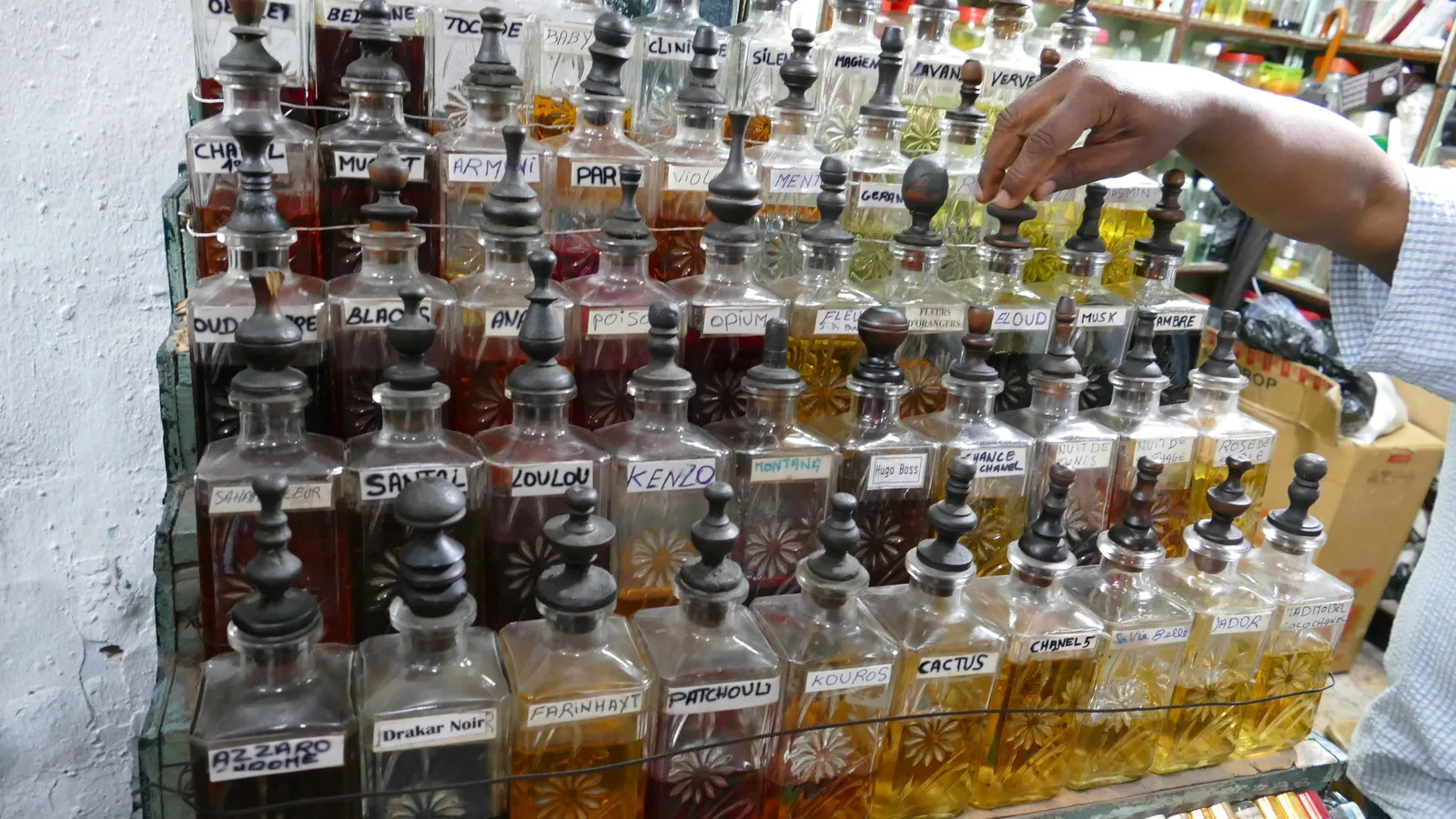
- The Souq el-Attarine, the perfumers, is the one to find first.
- Several of the great houses are open as museums, and Dar Ben Abdallah holds the city museum.
- Non-Muslims cannot enter the prayer hall of the Zitouna Mosque; the courtyard can be seen.
- The medina is flat compared with Fez, but the paving is worn and the lanes are narrow.
- It empties in the evening. Go in the morning if you want it working rather than closed.
Sources and references
- UNESCO World Heritage Centre: Medina of Tunis
- UNESCO World Heritage Centre: Tunisia, States Parties
- Tunisian National Tourist Office
- UK FCDO: Tunisia travel advice
The foundation date, the 280 hectare area, the count of some 700 monuments across seven areas and the named buildings are all from the property's UNESCO page, read at source on 19 August 2026.