Heritage
Memorial Sites of the Genocide: Visitor and Heritage Guide
Four places where the genocide against the Tutsi was carried out, inscribed together, and what a visitor owes them on arrival.
- Country Rwanda
- Category Heritage
- Reviewed 18 August 2026
- Sources 3
- Length 3 min read
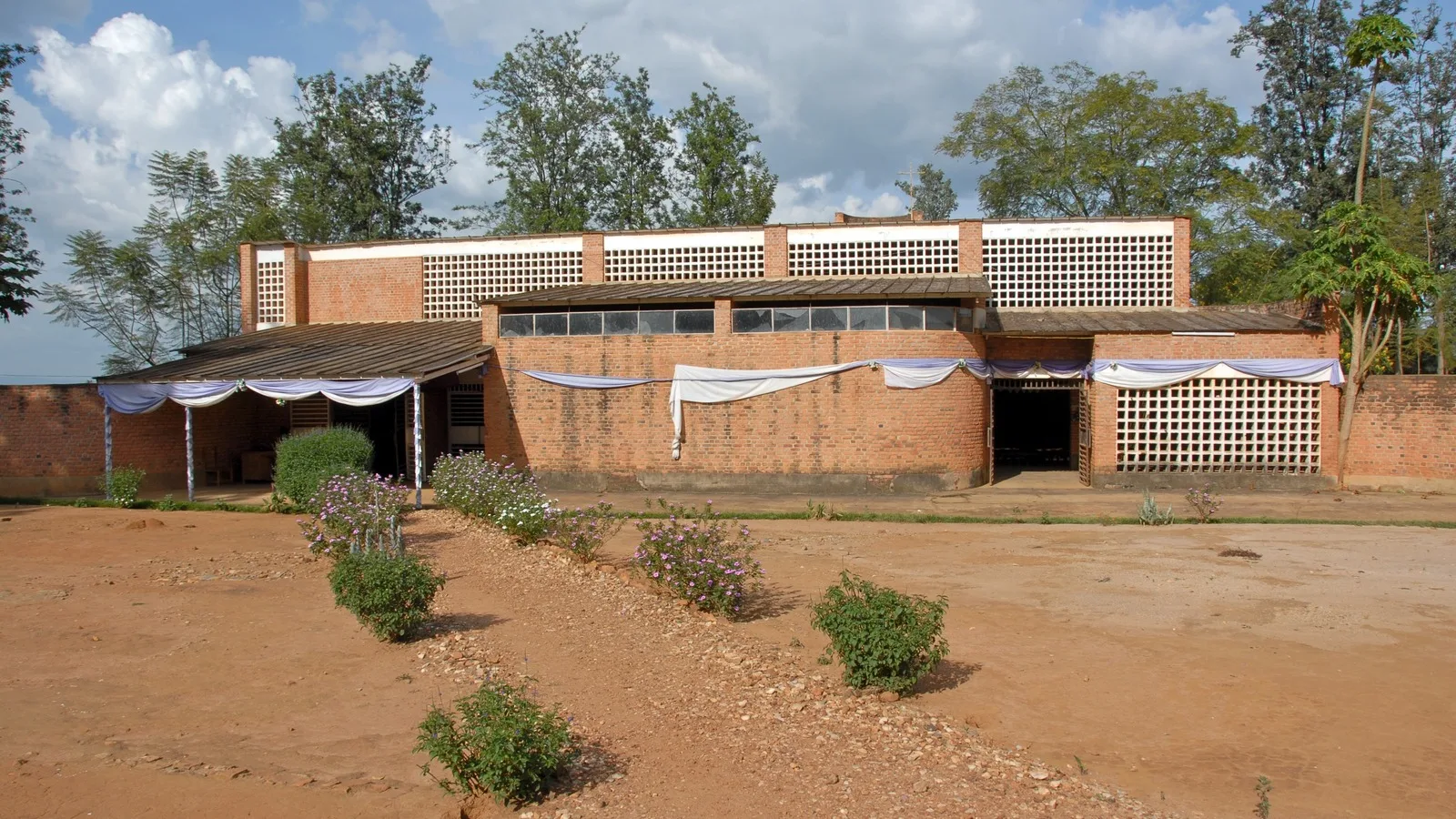
Credit Dave Proffer, CC BY 2.0, via Wikimedia Commons
Nyamata, Murambi, Gisozi and Bisesero were inscribed together on the World Heritage List in 2023, as a single serial property covering 24.65 hectares. They are places where people were murdered, and where the dead are buried. This page is written on the assumption that you intend to visit them properly.
What was inscribed, and on what grounds
UNESCO inscribed the four sites under criterion (vi), the criterion for direct association with events of outstanding universal significance. The inscription states that the genocide perpetrated against the Tutsi in Rwanda claimed the lives of more than one million people over 100 days between April and July 1994.
The reasoning given for universal significance is specific. It is the suddenness and intensity of the killing, and the manner of it: the premeditated and organized extermination of civilians by their neighbors, their family members and militias. The inscription also traces the origins to ethnic differences that colonial powers framed as political identities, which is the historical claim UNESCO itself makes and not a gloss added here.
The four sites stand for more than 200 places of worship, public places and places of resistance across Rwanda where massacres were committed. They were not the only ones. They were chosen to represent them.
The four places
Nyamata, in the Eastern Province, is a Catholic church built in 1980. People sheltered inside it and were killed there. It still bears the traces.
Murambi, in the Southern Province, is a technical school built in 1990, and the same is true of it.
Gisozi, on a hill in Kigali, is where more than 250,000 victims are buried. The Kigali Genocide Memorial there was built in 1999 and is the site most visitors see first, often on their first day in the country.
Bisesero, in the Western Province, is different from the other three. Its memorial, built in 1998, commemorates people who fought back, and who held out for more than two months before they were killed. The inscription describes it as associated with the struggle of those who resisted.
What followed, and why it is part of the record
The genocide led to the establishment of the International Criminal Tribunal for Rwanda, which sat from 1994 to 2015 and contributed to the creation of the International Criminal Court in 2002. In 2003 the United Nations General Assembly designated 7 April as the International Day of Reflection on the 1994 Genocide against the Tutsi in Rwanda.
UNESCO gives these as part of the grounds for inscription. The sites are not only Rwandan history; they changed international law.
Visiting
These are working memorials and burial grounds, not museums about a distant past. The people who look after them, and many of the people you will meet in the surrounding villages, are survivors or the families of the dead.
Some of the sites display human remains and the possessions of the dead. That display is a deliberate decision made by Rwandans, and it is not for a visitor to be shocked at in public. Do not photograph remains. Do not photograph inside unless you have been told you may, and treat a guide's instruction as final rather than as an opening position.
Guides at these sites frequently tell their own stories. Being told one is not an entitlement that comes with the ticket, and questions that press for detail are an imposition on someone at work. Listen, and let them decide how much to say.
Do not plan a memorial as one stop in a full day. Most people who have done it will say the same thing: whatever was scheduled afterwards did not happen properly.
Before you go
- Read about the genocide before arriving rather than learning it at the door
- Use the term the genocide against the Tutsi
- Dress as you would for a funeral, because that is closer to what this is
- No photographs of human remains, and none inside without explicit permission
- Do not press a guide for their personal history
- Leave the rest of the day open
- Know that 7 April begins a week of national mourning
Sources and references
- UNESCO World Heritage Centre: Memorial sites of the Genocide: Nyamata, Murambi, Gisozi and Bisesero
- UNESCO World Heritage Centre: Rwanda
- UK FCDO: Rwanda travel advice
The inscription details, the casualty figures and the description of each site are taken from the UNESCO World Heritage Centre's record for the property, read at source on 18 August 2026. This page makes no claim about present day Rwandan politics.