Heritage
Rwanda and Diaspora Reconnection
Rwanda is not an Atlantic slave trade country, and its diaspora story is exile and return inside living memory rather than across centuries.
- Country Rwanda
- Category Heritage
- Reviewed 18 August 2026
- Sources 3
- Length 3 min read
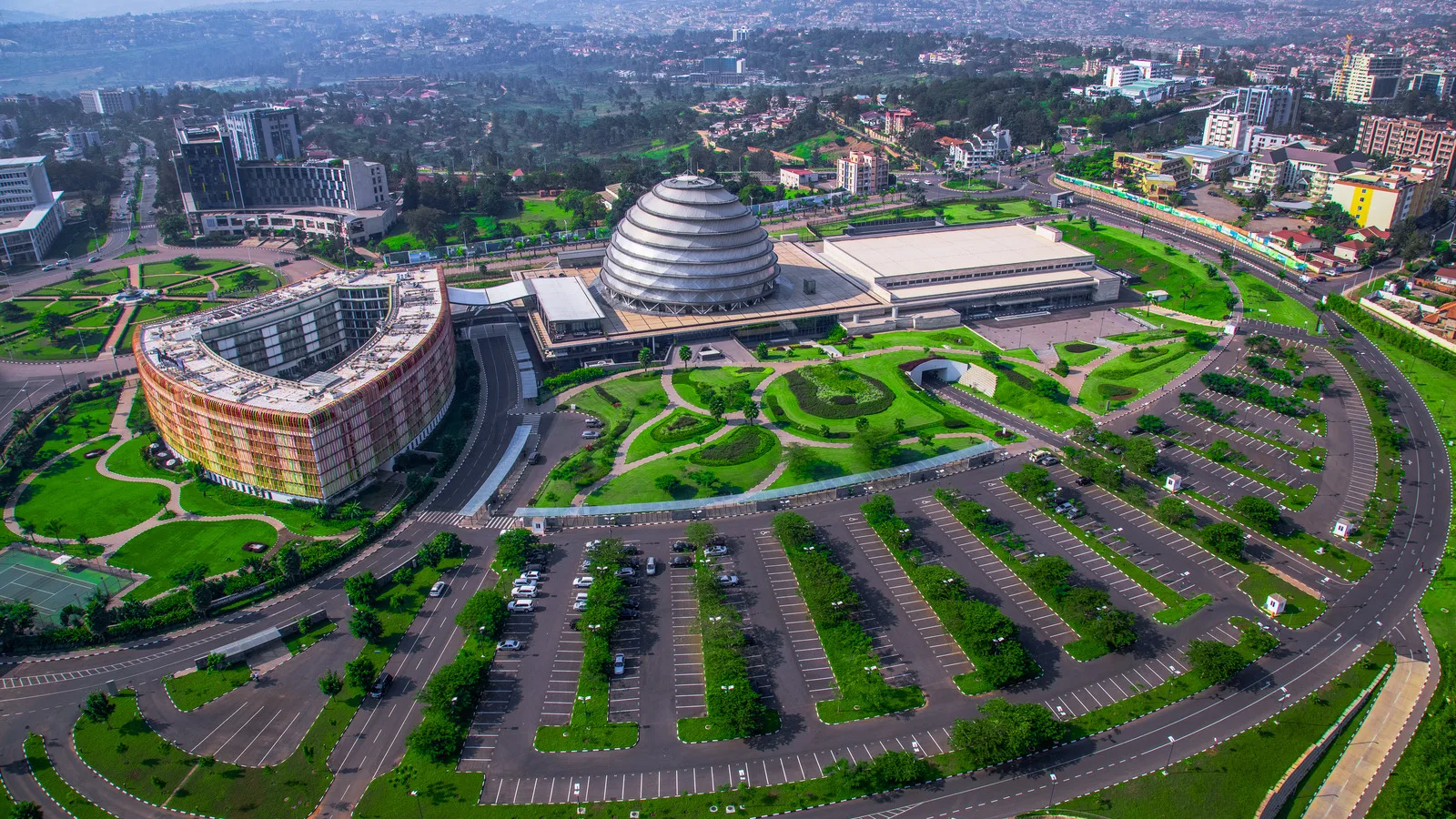
Credit Emmanuelkwizera, CC BY-SA 4.0, via Wikimedia Commons
If you have arrived here from this publication's pages on Ghana or the Atlantic coast, the first thing to say is that this is a different subject rather than a regional variation on the same one.
Why the Atlantic frame does not apply
Rwanda is landlocked, a thousand kilometers from the Atlantic, and was not a source region for the transatlantic slave trade. It has no forts, no doors of no return and no ancestral tourism of the kind that Cape Coast and Elmina anchor.
Its diaspora is recent, and it was made by politics rather than by the Atlantic. Large numbers of Rwandans left in waves of violence and displacement from the late nineteen fifties onward, and again in and after 1994, settling in Uganda, Burundi, the Congo, Kenya, Belgium, France, Canada and the United States. A great many of the people who returned to rebuild the country after 1994 had grown up outside it, sometimes having never seen it.
Return as national policy
Return has been actively encouraged by the Rwandan state, and diaspora Rwandans have been a visible part of reconstruction: in government, in business, in the universities and in the professions. There are formal structures for engaging Rwandans abroad, investment routes aimed at them, and a strong official narrative about coming home.
That narrative is not universally shared. Some Rwandans abroad are in political opposition or in exile from the current government, and describe their absence in terms the official account does not use. This publication reports that the disagreement exists and does not adjudicate it. Anyone writing that the question of return is settled is taking a side in something live.
One nation, and what that means in practice
After 1994 Rwanda removed ethnic classification from public life. Identity cards no longer record it, and the official position is that there are Rwandans and no subdivisions. The policy is a deliberate response to a genocide organized around categories that had been hardened into political identities under colonial administration.
For a visitor the practical consequence is simple: do not ask people which group they belong to. The larger debate about whether the policy heals or suppresses is a real one, conducted by Rwandans, and a traveler is not required to have a view on it.
What a reconnection visit actually looks like
For Rwandans abroad, a return visit is family, land, language and often a memorial. For visitors with no Rwandan connection, the honest framing is not reconnection but attention: the memorial sites are among the most significant places of their kind anywhere, and they exist to be understood rather than collected.
The four inscribed memorial sites, and the conduct they ask for, have their own page in this cluster. Read it before you go rather than at the gate.
If you are visiting for this reason
- Understand that the Rwandan diaspora is recent and political, not Atlantic
- Expect the official account of return and the exile account to differ
- Do not ask anyone which group they belong to
- Plan the memorial sites deliberately, not as an afternoon between other things
- Allow more time in one place than an itinerary usually gives
Sources and references
- UNESCO World Heritage Centre: Memorial sites of the Genocide: Nyamata, Murambi, Gisozi and Bisesero
- UNESCO World Heritage Centre: Nyungwe National Park
- UK FCDO: Rwanda travel advice
The historical framing above follows UNESCO's inscription documentation for the memorial sites, read at source on 18 August 2026, which sets out the origins of the genocide and the international response. This page makes no claim about the present Rwandan government.