Heritage
Mount Mulanje Cultural Landscape: Visitor and Heritage Guide
Malawi newest World Heritage property is a mountain inscribed for what it means, not for how it looks: a sacred landscape of the Yao, Manganja and Lhomwe.
- Country Malawi
- Category Heritage
- Reviewed 19 August 2026
- Sources 4
- Length 2 min read
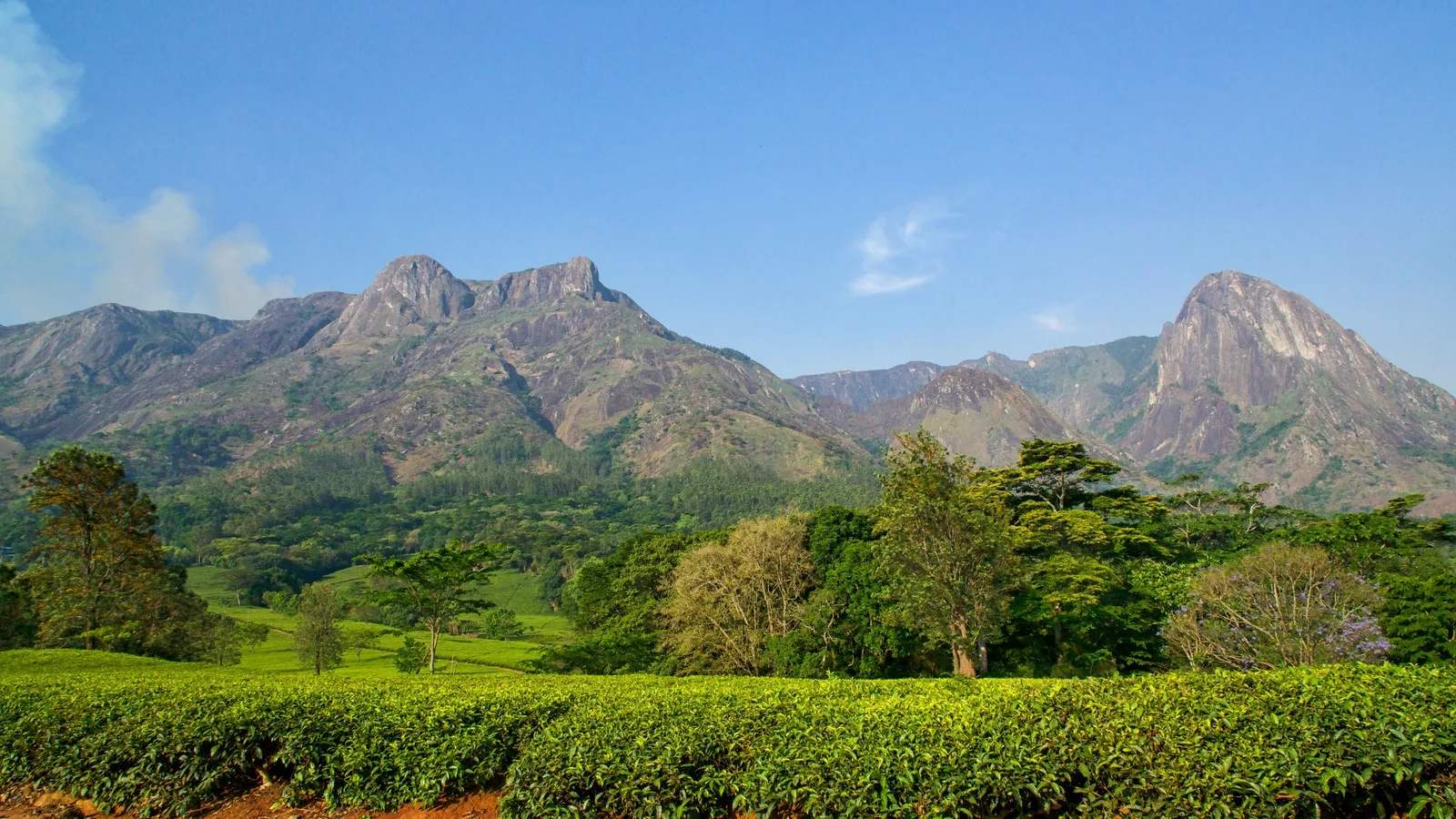
Credit David Davies from Birmingham, UK, CC BY-SA 2.0, via Wikimedia Commons
Mount Mulanje rises out of the tea estates of southern Malawi as a single enormous block, one of the largest inselbergs in the world. It is Malawi's newest World Heritage property, and the thing most worth understanding about it is that it is inscribed as a cultural landscape rather than as a natural one.
A cultural inscription, not a scenic one
The property covers 89,549.18 hectares under criteria (iii) and (vi), both cultural. UNESCO's description is explicit: the mountain is revered as a sacred place inhabited by gods, spirits and ancestors, and its geological and hydrological features are connected with the belief systems and cultural practices of the Yao, Manganja and Lhomwe peoples. Those communities have sustained its sacredness through rituals and traditions.
That framing matters for a visitor. Mulanje is a famous hiking mountain, and a page that treated it only as a hiking mountain would be describing something other than what was inscribed. The huts, the paths and the porters are real; so is the fact that you are walking on a landscape that people hold sacred.
The mountain itself
Mulanje is a granite massif cut by deep gorges, with Sapitwa as its high point. Weather changes on it faster than visitors expect: the chiperoni, the cold wet mist that rolls in off the south east, can drop visibility and temperature within an hour. The FCDO notes that altitude sickness is a risk in parts of Malawi, and this is one of them. The mountain is also a Biosphere Reserve.
Climbing it
- Get security advice from the Mountain Club of Malawi before you go. The FCDO says so explicitly.
- Hire a guide and a porter through a recognized arrangement, not at the trailhead.
- Book the mountain huts. They are basic and they are the shelter that exists.
- Carry full waterproofs and warm layers whatever the forecast says at the bottom.
- Expect the chiperoni. Do not plan a route that depends on visibility.
- Treat the mountain as a sacred place, because to the communities around it that is what it is.
One practical warning
The FCDO records that a group of UK tourists were violently assaulted and robbed in their hotel at Mulanje. That is not a reason to avoid the mountain and it is a reason to take the advice about security arrangements seriously, and to arrange guides and accommodation through people who can be held responsible.
Sources and references
- UNESCO: Mount Mulanje Cultural Landscape
- UNESCO: Malawi on the World Heritage List
- UK FCDO: Malawi safety and security
- UK FCDO: Malawi health advice
Mount Mulanje Cultural Landscape was inscribed in 2025 under criteria (iii) and (vi), covering 89,549.18 hectares, at the forty seventh session of the World Heritage Committee. The description of the mountain as a sacred place of the Yao, Manganja and Lhomwe, and its status as a Biosphere Reserve, are from the property page. The security note and the altitude warning are from the FCDO, whose Mulanje hotel assault report dates from 2025.