Events and Festivals
Namibia Festivals and Celebrations
Namibia has two UNESCO listed traditions and they sit on different lists, which is the clearest illustration of what those lists actually mean.
- Country Namibia
- Category Events and Festivals
- Reviewed 18 August 2026
- Sources 3
- Length 2 min read
Credit Martin Hipangwa, CC BY-SA 4.0, via Wikimedia Commons
Namibia is the useful case for anybody trying to understand UNESCO’s intangible heritage lists, because it has one element on each, and the two say opposite things about the health of the practice.
One on each list
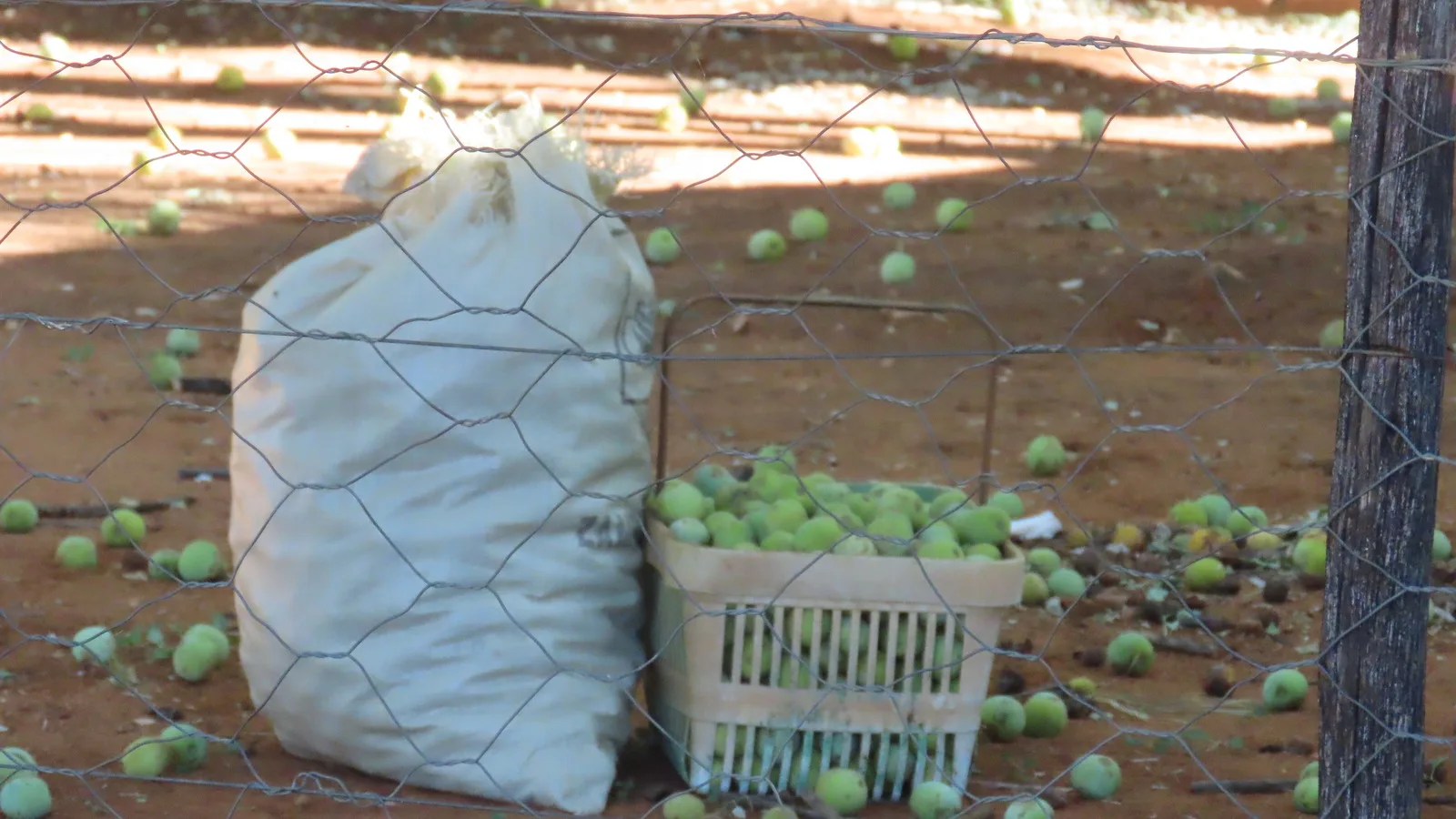
Oshituthi shomagongo, the marula fruit festival, was inscribed in 2015 on the Representative List. It runs in the Ovambo north over several days after the marula harvest, when the fruit is pressed into omagongo and shared. Representative means the practice is living, and is offered as an example of human heritage.
Aboxan Musik, ancestral musical sound knowledge and skills, was inscribed in 2020 on the List of Intangible Cultural Heritage in Need of Urgent Safeguarding. Urgent Safeguarding means the opposite: the practice has been formally identified as at risk of disappearing.
Botswana’s four elements are all on the urgent list. Zambia’s six are all representative. Namibia is the only one of the three with both, which makes the distinction impossible to blur here.
Marula, and why the timing is the festival
The marula tree fruits once a year, around February and March, and the festival follows the fruit rather than the calendar. That is why this page gives no date: it is set by a tree.
Omagongo is made by women, and the sharing of it runs along established lines of kinship and obligation. It is a community occasion, and a visitor who is welcomed to one is a guest at somebody’s harvest.
The rest of the calendar
Namibia’s public commemorations carry more weight than its festivals. Independence Day on 21 March, Heroes’ Day on 26 August, and Human Rights Day on 10 December are national days with real meaning attached rather than holidays.
Herero Day, held around late August in Okahandja, is a commemoration of the ancestors and the dead of the 1904 to 1908 genocide. It is not a spectacle and it is not staged for visitors. If you attend, attend as a mourner would.
Windhoek’s Oktoberfest and the Windhoek Karneval are real events with real crowds and are exactly what they sound like, which is its own comment on the country’s layers.
Attending well
Find out who is hosting. Ask what is appropriate to wear and where visitors stand. Ask before photographing anything. Where a tradition is on the urgent safeguarding list, the community’s interest in keeping it alive on its own terms outranks any visitor’s interest in seeing it.
If you are planning around a ceremony
- The marula festival follows the fruit, so aim for a window rather than a date
- Confirm anything with the organizers rather than a listing site
- Treat Herero Day as a commemoration and not an attraction
- Ask before photographing, and accept a refusal
- Remember that one of the two UNESCO elements here is listed as at risk
Sources
- UNESCO: Namibia’s elements on the Intangible Cultural Heritage lists
- Visit Namibia: the national tourism site
- UNESCO World Heritage Centre: Namibia, its inscribed properties and its Tentative List
The inscriptions and their lists were read from the Convention’s own record. Dates are set locally.