Heritage
Nelson Mandela Legacy Sites: Visitor and Heritage Guide
Fourteen places across South Africa, inscribed in 2024 for the liberation struggle and, just as deliberately, for the reconciliation after it.
- Country South Africa
- Category Heritage
- Reviewed 17 August 2026
- Sources 4
- Length 3 min read
Credit Andrew Hall, CC BY-SA 4.0, via Wikimedia Commons
Robben Island has been on the World Heritage List since 1999 and has its own page here. This is the other one, added in 2024, and it is not more of the same: it is fourteen places across the country, and it is about reconciliation at least as much as about resistance.
What UNESCO inscribed
The full name is Human Rights, Liberation and Reconciliation: Nelson Mandela Legacy Sites, and it is a serial property of fourteen component parts, all connected to South Africa’s political history in the twentieth century. The inscribed area is small, about 42 hectares in total, because the significance is in what happened at these places rather than in their extent.
It was inscribed under criterion (vi) alone, which is the criterion for association with events, ideas and beliefs of outstanding universal significance. That is worth noticing: this is not a listing for architecture. It is a listing for what these places mean.
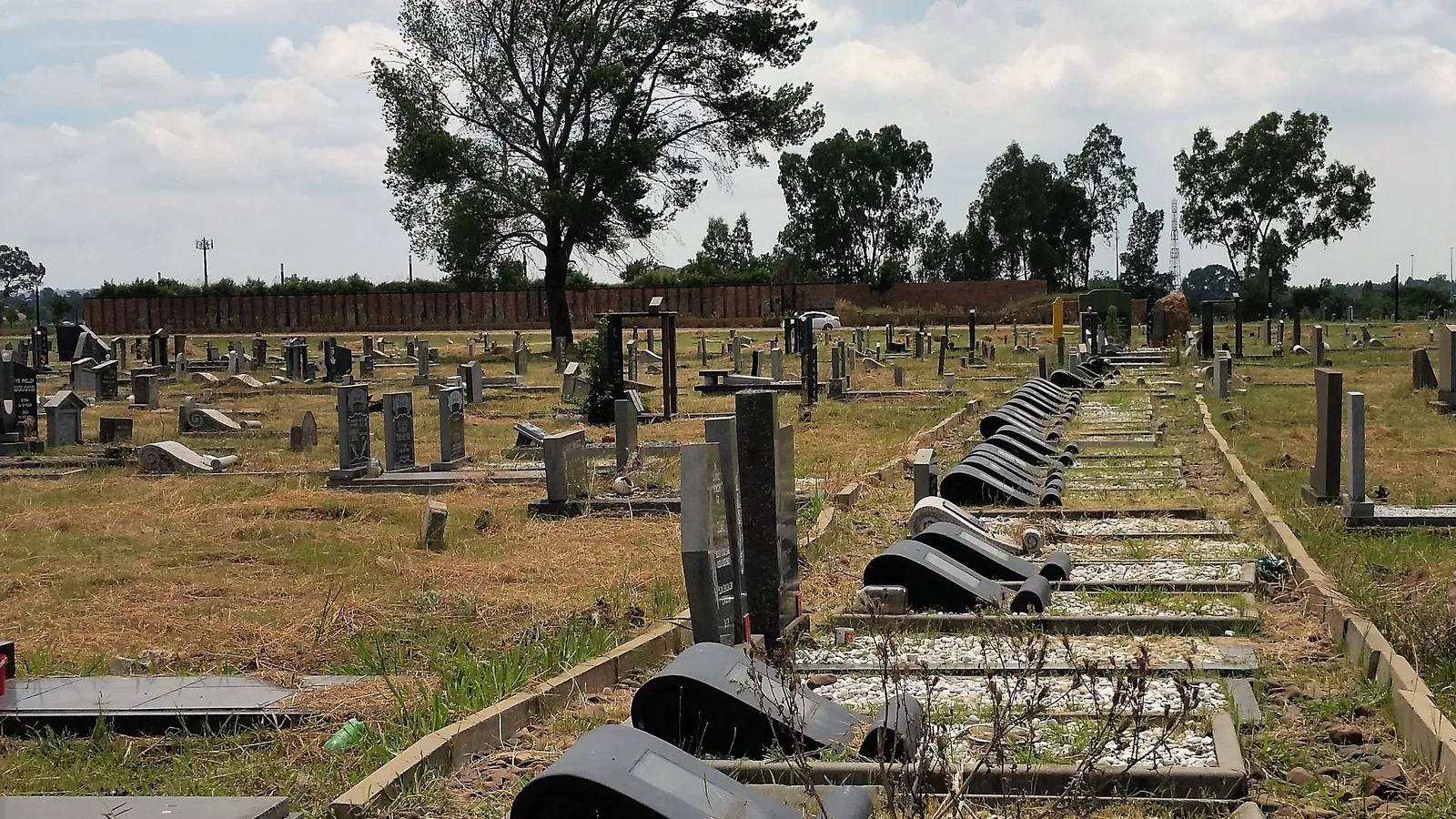
UNESCO names three of the fourteen. The Union Buildings in Pretoria, now the official seat of government. The Sharpeville Sites, commemorating the massacre of 69 people protesting the Pass Laws. And The Great Place at Mqhekezweni, symbolic of traditional leadership, where Nelson Mandela lived as a young man. The other eleven are not named here, because they were not read from the record, and a page that guessed at them would be publishing a wrong component as fact.
Reconciliation is half the inscription, and it is the unusual half
Plenty of places commemorate a liberation struggle. UNESCO’s wording here goes further: the property, it says, foregrounds reconciliation as the bedrock of nation building. The three tenets in the title are described as inextricably bound together rather than sequential.
The reasoning UNESCO records for why that was possible is the sharpest sentence in the whole inscription, and it is worth quoting the sense of it exactly: from the outset it was understood that the struggle was against a system that entrenched oppression on the basis of racial discrimination, rather than against any group of people. That understanding, held by leaders throughout, is what made reconciliation available at the end of it.
The philosophies UNESCO names are non-racialism, Pan-Africanism, and ubuntu, which it glosses as the idea that humanity is not solely embedded in an individual but is a quality people confer on one another. Ubuntu was taken, in its account, as the guiding ideal for the transition to majority rule.
Visiting fourteen places
There is no single site and no single ticket, and any page implying otherwise would be wrong. The components are spread from Pretoria to the Eastern Cape, they are separately managed, and several of them are working institutions rather than monuments: the Union Buildings is a functioning seat of government.
Treat them as fourteen visits to plan individually. The South African Heritage Resources Agency is the national heritage authority, and access, charges and opening arrangements are for each site’s own custodian to publish. None of them is stated here.
Visiting respectfully
- This is not one destination. Pick the components you can actually reach and plan each on its own
- Sharpeville is a massacre site with graves. It is a place of mourning before it is a place of interest
- Some components are working institutions, so access may be restricted for reasons that have nothing to do with heritage
- Ask before photographing people at any memorial, and expect a no somewhere
- The struggle is within living memory. The people you meet at these places may have been in it
- Robben Island is a separate inscription with its own arrangements. Do not assume one covers the other
Sources
- UNESCO World Heritage Centre: Human Rights, Liberation and Reconciliation, the Nelson Mandela Legacy Sites, inscription 1676
- UNESCO World Heritage Centre: the twelve properties inscribed in South Africa
- UNESCO World Heritage Centre: Robben Island, inscription 916
- South African Heritage Resources Agency: the national heritage authority
The component count, the criterion, the property size, the three named components and the account of non-racialism, Pan-Africanism and ubuntu are UNESCO’s own wording for inscription 1676, read on 2026-08-17. Robben Island is inscription 916, from 1999, and is a separate property; whether it is also a component of 1676 was not established and is not claimed either way. Access and charges are for each component’s custodian to publish.