Events and Festivals
Rwanda Festivals and Celebrations
A gorilla naming ceremony, a monthly morning of shared work and a week of mourning: Rwanda's calendar is unusually deliberate.
- Country Rwanda
- Category Events and Festivals
- Reviewed 18 August 2026
- Length 3 min read
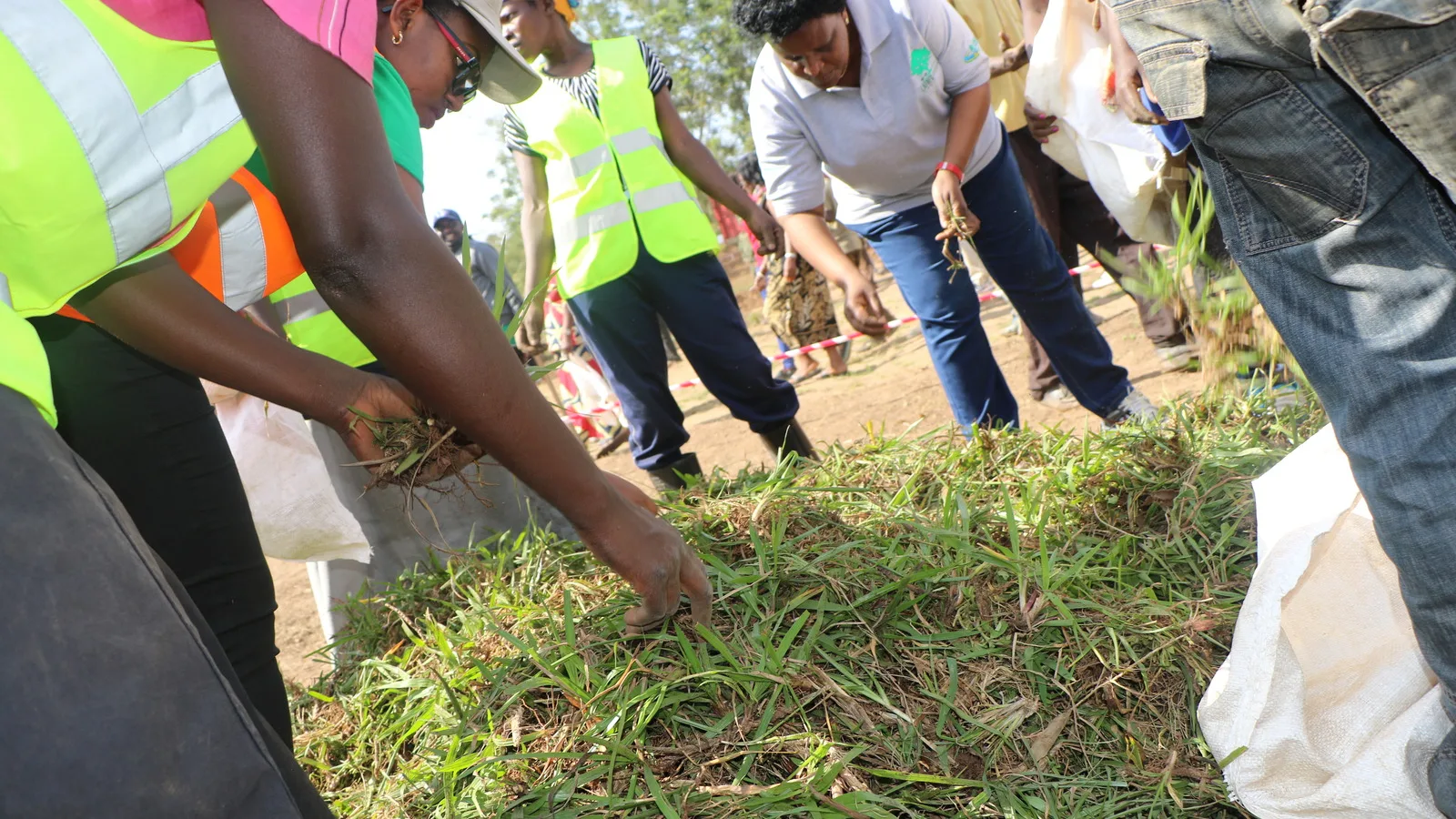
Credit Rwanda Environment Management Authority, CC BY 2.0, via Wikimedia Commons
Rwanda's public calendar is more constructed than most, and deliberately so. Several of its fixtures were created or revived in the last thirty years to do a job, and knowing what that job is makes them far more interesting to attend.
Umuganda, the last Saturday of every month
Umuganda is a morning of compulsory community work held on the last Saturday of each month, in which residents clean, build, dig and repair in their own neighborhoods, followed by a community meeting. Most normal services close from seven until eleven.
It is the most visible piece of civic machinery in the country and it divides opinion: it is genuinely productive and widely supported, and it is also compulsory and organized from above, and both of those are worth holding in mind at once. Visitors are sometimes invited and generally welcome.
Kwita Izina, the gorilla naming ceremony
Kwita Izina is the annual ceremony at which the year's gorilla infants are given names, held near Volcanoes National Park and usually in September. It borrows the form of the Rwandan naming ceremony for a child, in which the community gathers to give a name.
It has become a large national event with international guests, and it is also a piece of conservation policy: it ties the survival of individual animals to a public occasion and to the communities around the park, who share in tourism revenue. Dates move; confirm with the park authority well ahead if you want to attend.
Kwibuka, the week of mourning
Genocide Memorial Day falls on 7 April and begins Kwibuka, an official week of national mourning, within a longer commemorative period. There are ceremonies, walks of remembrance and public broadcasts, and the tone of the country changes.
This is not a festival and should not be described as one. It is included here because a calendar that omitted it would mislead: it is the most significant fixed point in the Rwandan year.
Liberation Day and Umuganura
Liberation Day on 4 July marks the end of the genocide in 1994 and is a public holiday. Umuganura, the harvest thanksgiving, was revived as a national day in August and is the older festival on the list by a long way: it is a first fruits celebration with roots in the pre colonial agricultural year.
Where you will actually see Intore
Intore, the court dance tradition, is performed at national ceremonies and at cultural venues year round rather than at a single festival. The most reliable place to see it well is a scheduled performance rather than a chance encounter.
Planning around the calendar
- Last Saturday of the month: services closed 7am to 11am for Umuganda
- 7 April and the week that follows: national mourning, not an ordinary week
- 4 July: Liberation Day, a public holiday
- September, usually: Kwita Izina, dates confirmed with the park authority
- August: Umuganura, the harvest thanksgiving