Food
Rwanda Food Guide
One plate, filled once, from a table of a dozen dishes: the Rwandan buffet is a system, and knowing how it works changes the meal.
- Country Rwanda
- Category Food
- Reviewed 18 August 2026
- Sources 3
- Length 2 min read
Credit Camilopiz, CC0, via Wikimedia Commons
Rwandan food is starch led, vegetable heavy and generous, and the thing most worth understanding before you eat is not a dish but a format.
The buffet, and its one rule
Lunch across much of the country is a buffet, often called melange. A long table carries a dozen or more dishes: rice, beans, plantain, cassava, sweet potato, potatoes, cooked greens, sometimes a meat or fish, sometimes pasta.
The rule is that you take one plate and fill it once. This is not a buffet in the sense of returning for more. Rwandans build a single, densely packed plate and eat it, and a visitor who takes a modest first helping intending to go back will be quietly puzzled by their own lunch.
Once you know, it is an excellent system: it is fast, it is cheap, it is vegetarian by default unless you choose otherwise, and it lets you try everything at once.
Brochettes and the evening
The standard evening food is brochettes, grilled skewers, most often goat and sometimes beef or fish, ordered by the stick and eaten with grilled plantain or chips. This is bar food in the best sense and it is where a lot of ordinary social life happens.
Fish means tilapia or, around the lakes, sambaza, small freshwater fish fried whole and eaten by the handful. Around Lake Kivu they are a local specialty rather than a tourist dish.
Cassava leaves, and what to actually order
Isombe is cassava leaves pounded and slow cooked, often with aubergine, spinach and groundnut, and it is the dish most worth going out of your way for. Ubugali, a stiff cassava or maize porridge eaten with the hand, is the everyday starch. Igisafuriya is a slow braise of chicken or goat with vegetables in one pot.
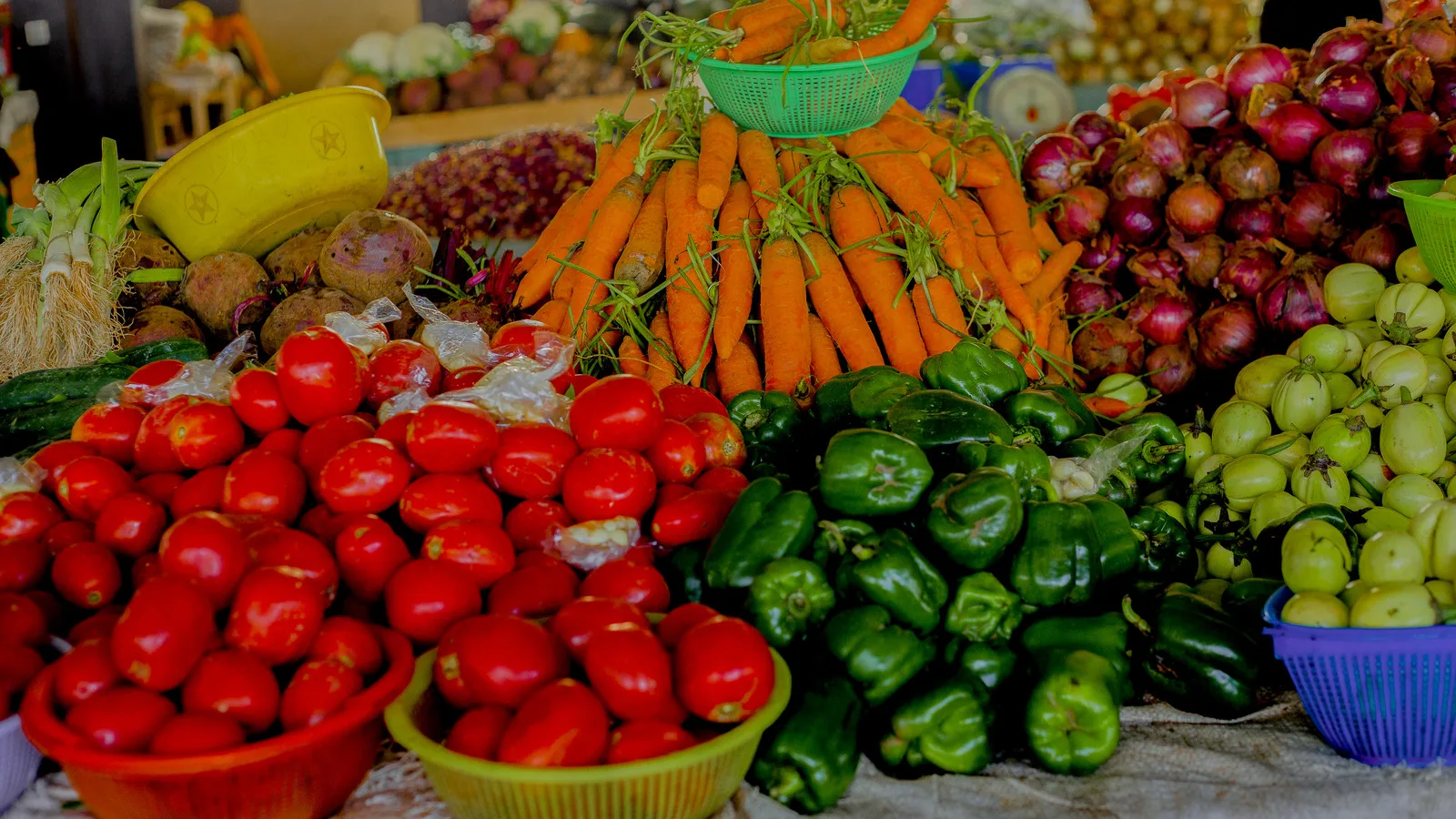
Vegetables are excellent and cheap, which follows from a country where almost every slope is cultivated. The markets are worth visiting for their own sake.
Milk bars, tea and coffee
Ikivuguto is a fermented milk, slightly sour and traditionally important, and the milk bars that serve it are a genuine local institution rather than something arranged for visitors. Cattle carry a cultural weight in Rwanda that goes well beyond agriculture, which is part of why a milk bar is an ordinary and respected place to spend an hour.
Rwanda grows outstanding tea and coffee, most of which is exported. What is served in an ordinary café is not usually the export grade, though that has changed markedly in Kigali and around the cooperatives, where you can drink the good local crop at source.
Eat
- A melange buffet at lunch, one plate, filled once
- Isombe, cassava leaves slow cooked, the dish to seek out
- Brochettes in the evening, ordered by the stick
- Sambaza around Lake Kivu, fried whole
- Ikivuguto at a milk bar, which is a real institution
- Coffee at a cooperative rather than assuming the café pours the export crop
Sources and references
- UK FCDO: Rwanda health advice
- UK FCDO: Rwanda safety and security
- Visit Rwanda: the national tourism site
Food is not a regulated subject and this page cites no authority for what is good. The health and safety guidance below is the exception and is worth reading before you eat and drink widely.