Heritage
Rwenzori Mountains National Park: Visitor and Heritage Guide
Glaciers on the equator, Africa's third highest peak, and an alpine flora that has been called Africa's botanical big game.
- Country Uganda
- Category Heritage
- Reviewed 18 August 2026
- Sources 2
- Length 2 min read
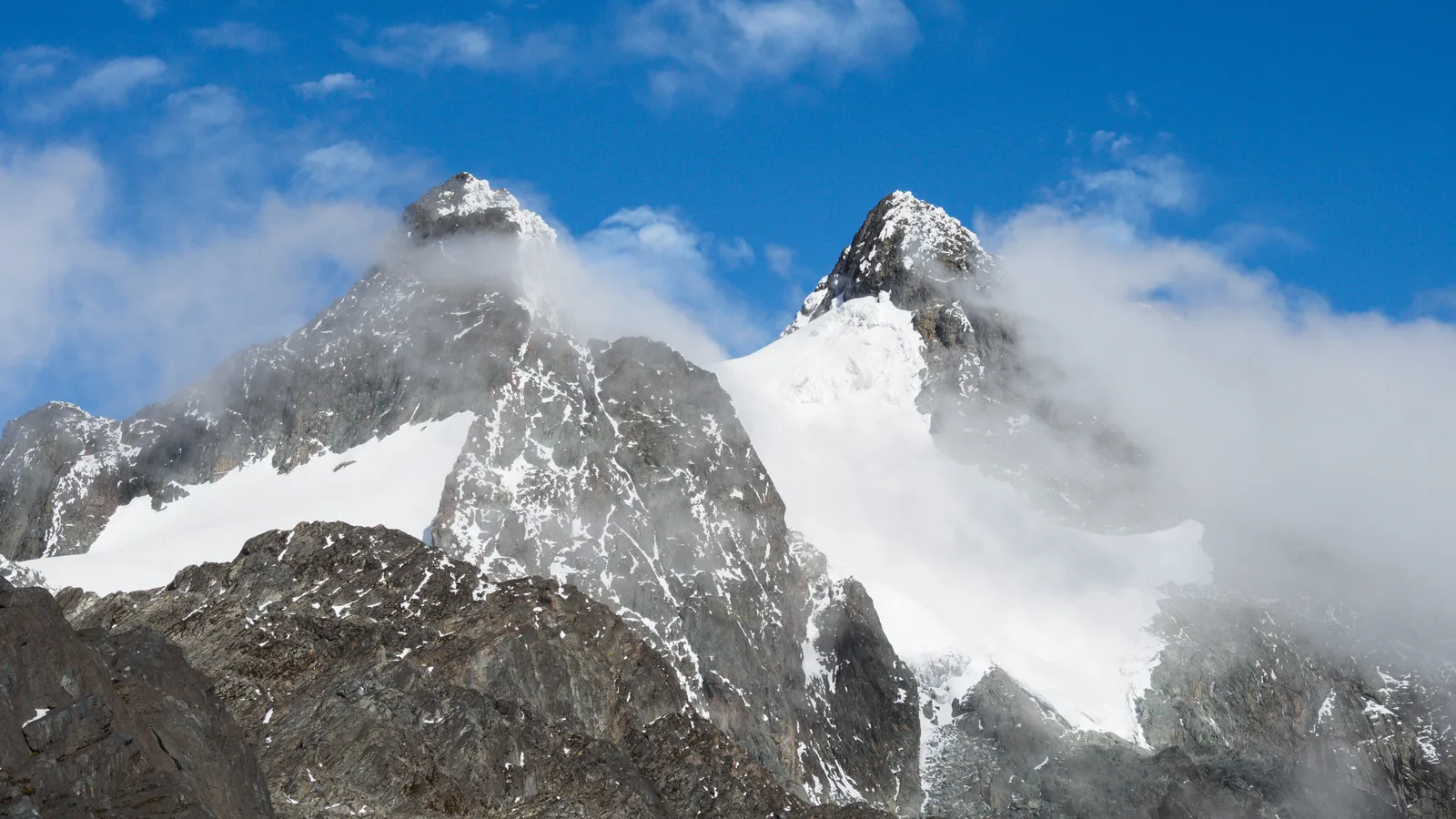
Credit Rafał Kozubek, CC BY-SA 4.0, via Wikimedia Commons
There is permanent ice a few kilometers from the equator, and it is going. The Rwenzori are the legendary Mountains of the Moon, and they are one of the few places on earth where the loss is measurable within a single working life.
What is up there
The park covers 99,600 hectares in western Uganda, of which 70 per cent lies above 2,500 meters. Mount Margherita, at 5,109 meters, is Africa's third highest peak after Kilimanjaro and Mount Kenya, and the Rwenzori carry a much larger alpine area than either.
They are also the highest and most permanent sources of the River Nile. The property was inscribed in 1994 under criteria seven and ten, and is contiguous with Virunga National Park across the border in the Democratic Republic of Congo.
The flora is the reason many people come. Above the forest the vegetation gives way to heath and Afro-alpine moorland studded with giant heathers, groundsels and lobelias, which UNESCO records as having been called "Africa's botanical big game". These are the rarest vegetation types on the continent. There are 217 recorded bird species, and the endangered Rwenzori black-fronted duiker appears to be found nowhere else.
Danger listing, and the ice
The property was on the List of World Heritage in Danger from 1999 to 2004. The reason was insecurity: rebel insurgency in the region disrupted park management and encouraged illegal activity. It has been off the list for two decades.
The threat UNESCO now names first is different. Snow recession due to global warming is listed among the key challenges alongside illegal felling and population pressure. The glaciers of the Rwenzori are among the last three on the continent and are retreating.
Trekking, honestly
This is a mountaineering destination, not a viewpoint. The standard circuit takes the better part of a week, involves bog, and gains and loses serious altitude; the summit of Margherita requires glacier travel and technical equipment.
Altitude sickness is a real risk at these heights and the FCDO advises taking medical advice before traveling to high altitude. Guides and porters are mandatory and are organized through the concessionaires who run the trails, which is also how the surrounding Bakonzo communities benefit.
The park is in western Uganda near the DRC border. Read the current regional risk advice before committing to dates.
If you are trekking
- A week, not a day, for the full circuit
- Technical equipment and a specialist operator for Margherita
- Medical advice about altitude before you travel
- Full waterproofs and gaiters; the bog is not optional
- Check current regional risk advice for the DRC border area
- Guides and porters booked through the licensed operator
Sources and references
- UNESCO World Heritage Centre: Rwenzori Mountains National Park
- Uganda Wildlife Authority: parks and permits
Elevation, area, species figures, the Danger List years and the quoted phrase are from the UNESCO World Heritage Centre entry, read at source on 18 August 2026.