Heritage
Uganda and Diaspora Reconnection
Uganda is far more significant as a country people arrive in than as one they left, and that changes what a reconnection visit means.
- Country Uganda
- Category Heritage
- Reviewed 18 August 2026
- Sources 3
- Length 3 min read
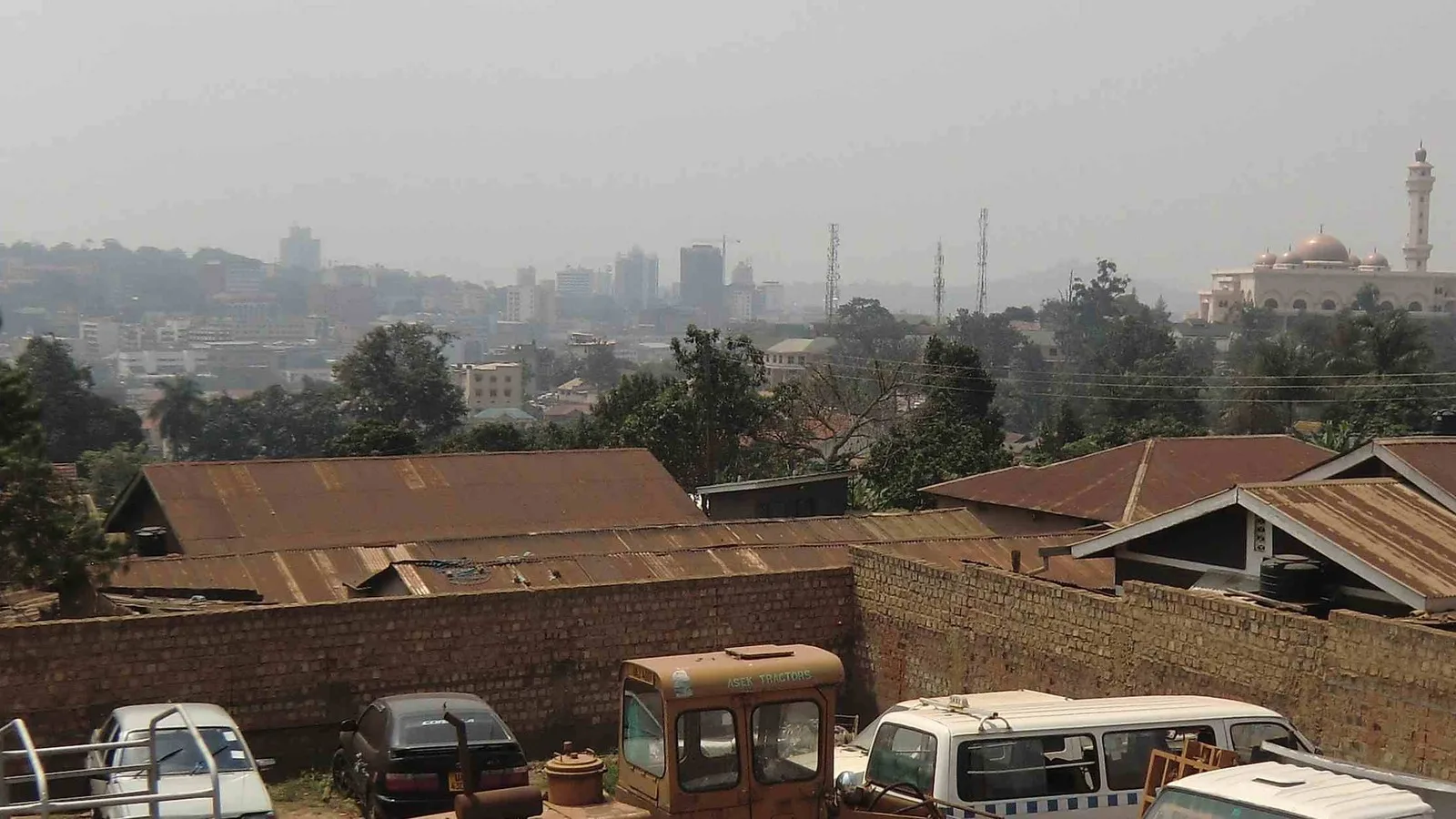
Credit Nsae Comp, CC BY 3.0, via Wikimedia Commons
Every other page of this kind on this site is written from the position of a country whose people left. Uganda has to be written the other way round.
One of the largest refugee-hosting countries in the world
UNHCR records that the South Sudanese refugee population in Uganda has exceeded one million, which is over half of Uganda's total refugee population and around 44 per cent of all South Sudanese refugees globally. Between 2022 and the end of 2025 Uganda received an estimated 139,000 new arrivals from South Sudan alone, and more than 300,000 Burundians have fled to the region since political violence erupted there in 2015.
Uganda's approach has been unusual: refugees are settled on allocated land rather than confined to camps, are permitted to work and move, and live alongside Ugandan communities in districts that were not wealthy to begin with. It is widely cited as among the more generous policies anywhere, and it is under strain, which are both true at once.
None of this is a visitor attraction, and settlements are not places to tour. It is context: a traveler in the north or west of the country is in a landscape shaped by it.
The Ugandans who did leave
Uganda has its own diaspora and it was made by politics. Under Idi Amin in the nineteen seventies, Uganda's Asian community, many of them citizens whose families had lived in the country for generations, was expelled at short notice; most went to Britain, and others to Canada and India. Their businesses and property were seized and redistributed.
This page prints no total, because the commonly quoted figures vary between sources and none was verified for this article. The expulsion is not in dispute; the arithmetic is not ours to assert.
The Amin years and the conflict that followed sent many other Ugandans abroad. Some Asian families have since returned and some property was restored, a process that was legally complicated and locally contested, and there is a visible Ugandan Asian presence in business in Kampala today.
The north, and a different kind of return
Northern Uganda experienced two decades of war involving the Lord's Resistance Army, during which very large numbers of people were displaced inside their own country and children were abducted. The return home from displacement camps, and the reintegration of people who were taken as children, is recent enough to be within living memory for almost everyone you will meet there.
Palabek, in the north, appears on Uganda's World Heritage Tentative List as a cultural landscape. Visitors traveling to Kidepo or through Gulu are moving through that history whether or not anyone raises it. Do not raise it lightly, and do not ask people to recount.
What a reconnection visit looks like here
For Ugandans abroad, a return is family, land and often a kingdom: clan and cultural institutions remain meaningful and a visit is frequently organized around them.
For visitors with no Ugandan connection, the honest framing is not reconnection but attention. Kasubi is the place to start, because the Baganda kingdom's continuity is the thread that runs furthest back and is still being maintained now.
If you are visiting for this reason
- Understand that Uganda receives far more people than it has sent
- Refugee settlements are not places to visit; the districts around them are ordinary places
- Do not ask people in the north to recount what happened to them
- Expect kingdom and clan institutions to matter to a Ugandan return
- Start at Kasubi, and read the heritage page before you go
Sources and references
- UNHCR: Uganda refugee data portal
- UNESCO World Heritage Centre: Tombs of Buganda Kings at Kasubi
- UK FCDO: Uganda travel advice
The refugee figures are from the UNHCR data portal for Uganda, read at source on 18 August 2026. No figure is given for the 1972 expulsion because none was verified for this article. This page makes no claim about the present Ugandan government.