Heritage
Zomba Plateau: Visitor and Heritage Guide
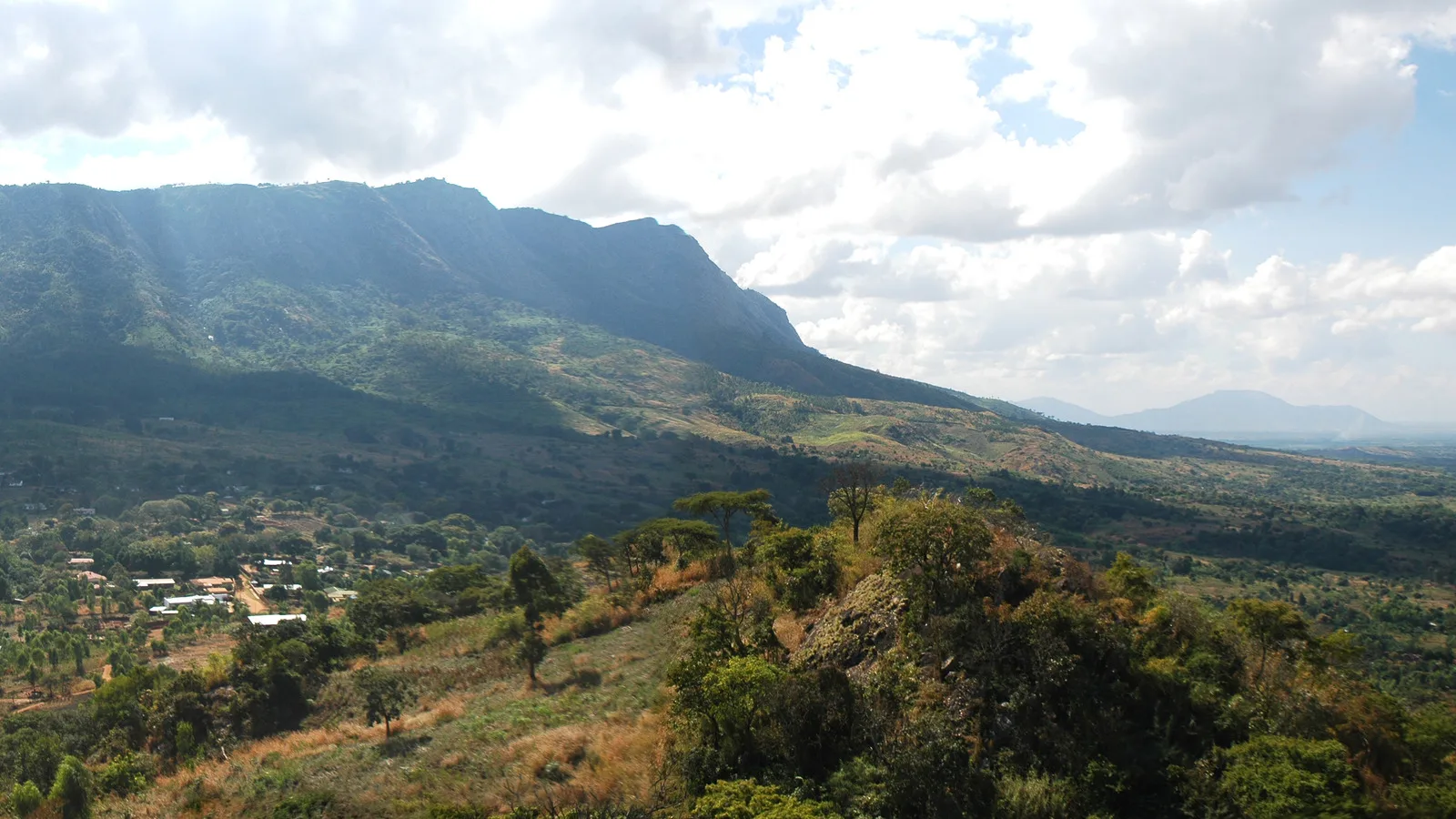
The plateau above the old capital, where the colonial administration went to escape the heat. Forest, escarpment and long views, and no World Heritage listing.
- Country Malawi
- Category Heritage
- Reviewed 19 August 2026
- Sources 4
- Length 2 min read
Credit Rockwurm, CC BY-SA 3.0, via Wikimedia Commons
Zomba Plateau is not inscribed and is not on Malawi's Tentative List. It is here on national significance, because it explains something about the country that no inscribed property does: why the administration of Nyasaland, and then of independent Malawi, sat where it did for as long as it did.
Why the capital was here
Zomba sits at the foot of a plateau that rises steeply behind the town, and the answer to why a colonial government chose it is written in that geography. The plateau is high, cool and wet where the Shire valley below is hot. The escarpment put the administration within reach of the highlands, the tea country and the south, and above the worst of the heat and the mosquitoes.
The capital later moved north to Lilongwe, which is central and better placed for a country shaped like this one. Zomba kept the university, the older institutions and a good deal of the architecture, which is why the town below the plateau still reads as a former seat of government.
On the plateau
The top is a different country from the town: montane forest, plantation, streams, and viewpoints looking out over the Shire valley and, on a clear day, towards Mulanje. There are dams, waterfalls and a network of tracks, and it is high enough that the FCDO's warning about altitude sickness in parts of Malawi is not purely theoretical.
Practicalities
- The road up is steep and narrow. It is not a road for the rains or for darkness.
- Take a guide for the longer walks. Tracks on the plateau are easy to lose.
- It is markedly colder on top than in the town. Carry a layer even in the dry season.
- Do not walk alone in the forest, and take local advice on which paths are currently used.
- Combine it with Mulanje and the tea estates rather than treating it as a stop.
- The town below is worth an hour for the old administrative buildings.
An honest note on status
Nothing on this plateau carries a World Heritage listing and nothing here is claiming one. Malawi has three inscribed properties, and seven sites on its Tentative List, none of which is Zomba. This page exists because the plateau is a real destination and because the reason the capital sat beneath it is a better introduction to the shape of the country than a list of parks.
Sources and references
- UNESCO: Malawi on the World Heritage List
- UK FCDO: Malawi health advice
- UK FCDO: Malawi travel advice
- Malawi: the destination guide
Malawi's inscribed properties and its seven Tentative List sites are recorded on its state party page at UNESCO. The altitude warning is from the FCDO health page for Malawi.