Comoros
Six medina towns inscribed together, held by matrilineal custom and Islamic tradition at once
- Region Indian Ocean Islands
- Country Comoros
- Type Country
- Reviewed 13 August 2026
- Sources 4
- Length 3 min read
Credit Radosław Botev, CC BY 3.0, via Wikimedia Commons
Why the Comoros
Four islands in the northern Mozambique Channel, three of them forming the country and the fourth administered by France. Volcanic, mountainous, and historically a junction rather than a destination: Bantu, Arab, Persian, Malagasy and Indian influences all arrived by sea and stayed.
One World Heritage property, inscribed recently, and one intangible heritage element, the zaffa, which it shares with Djibouti and five other states.
The medinas
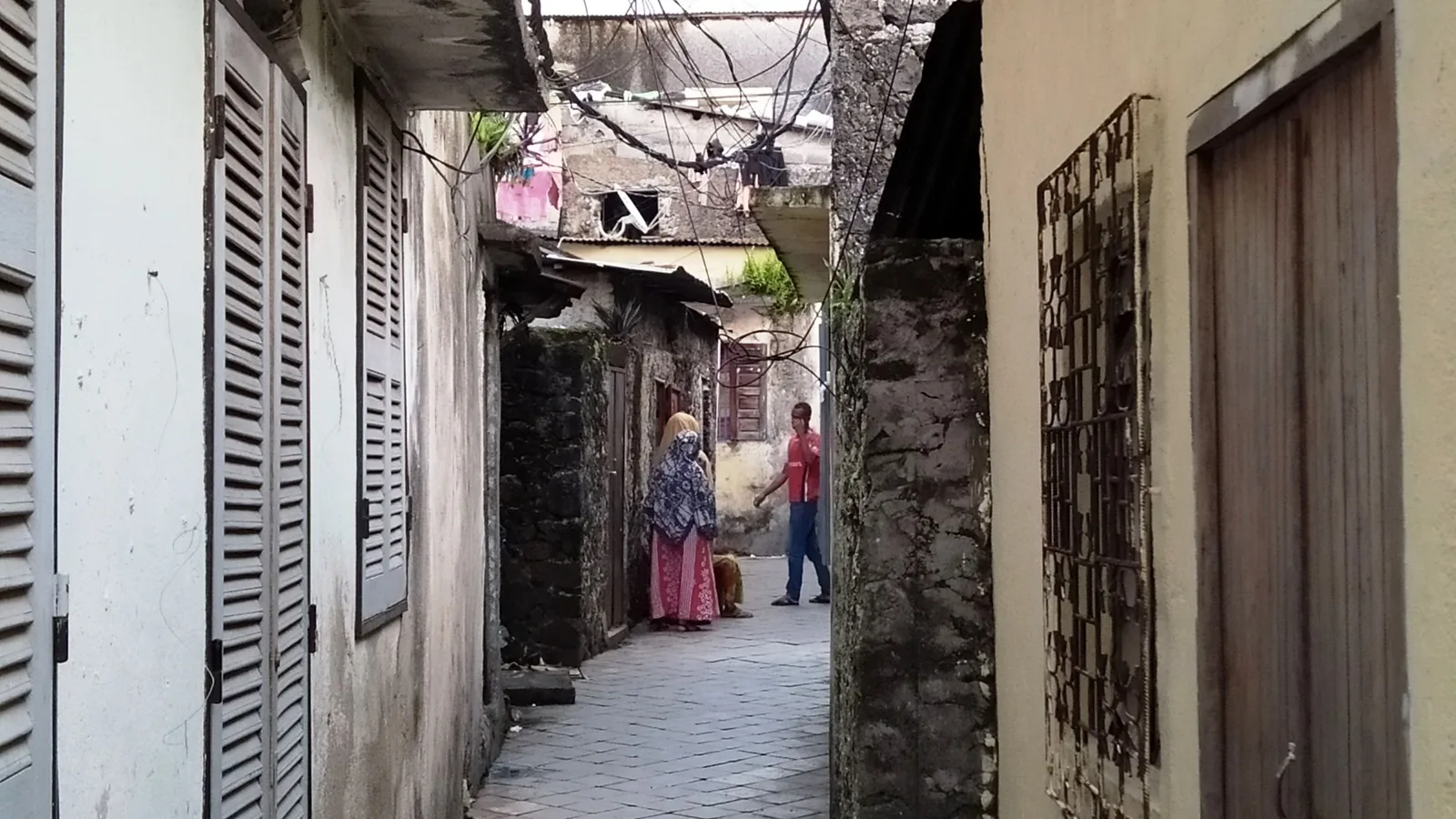
The photograph at the top of this page is a lane in the Moroni medina: coral stone walls, carved wooden doors, shuttered windows, wiring strung overhead. It is one of the six towns in the property.
UNESCO describes the property as showcasing insular urban forms and architectural expressions produced by cultural exchange, arriving through migration and through Indian Ocean trade networks, and then shaped by the local social, geographical and environmental context. The lanes are narrow because the islands are steep and because the towns were built to be defensible, and they are still lived in.
Food
The Comoros grow a large share of the world’s ylang-ylang and a great deal of its vanilla, and both turn up on the plate. Langouste a la vanille is the dish visitors are pointed toward. Mataba, cassava leaves pounded and cooked with coconut milk, is the everyday one. Rice and fish carry the rest.
Practical orientation
Comorian, Arabic and French are all official. The currency is the Comorian franc. Moroni, on Grande Comore, has the international airport, and moving between the islands means a short flight or a boat.
The US advisory of 12 January 2026 places the country at Level 2, exercise increased caution, for crime, unrest and health, with no Do Not Travel area. Two practical points stand out. There is no full-time official US presence in the Comoros, and consular services are provided from the embassy in Madagascar. And the advisory notes reports of piracy, with small craft on open water vulnerable, which is worth knowing before booking an inter-island crossing.
Entry requirements vary by nationality and change. This page is not the authority on them.
This page states no entry, health or security requirements, and is not advice. Check your own government’s current guidance before making any decision.
Sources and references
- UNESCO World Heritage Centre: Comoros, States Parties
- UNESCO World Heritage Centre: The Medinas of the Historic Sultanates of the Comoros
- UNESCO Intangible Cultural Heritage: browse the Lists
- US Department of State: Comoros Travel Advisory
These are the authoritative references for the heritage this page discusses; each was checked at source on 13 August 2026. Practical details (entry rules, health guidance, opening times) change constantly. The bodies listed here are authoritative and this page is not.