Guinea
A toad that bears live young, and chimpanzees that use stones as tools
- Region West Africa
- Country Guinea
- Type Country
- Reviewed 13 August 2026
- Sources 4
- Length 3 min read
Credit Pauldirac1926, CC0, via Wikimedia Commons
Why Guinea
Guinea holds one World Heritage property and one element on the intangible heritage lists, the cultural space of Sosso-Bala. For a country of its size that is a thin record on paper.
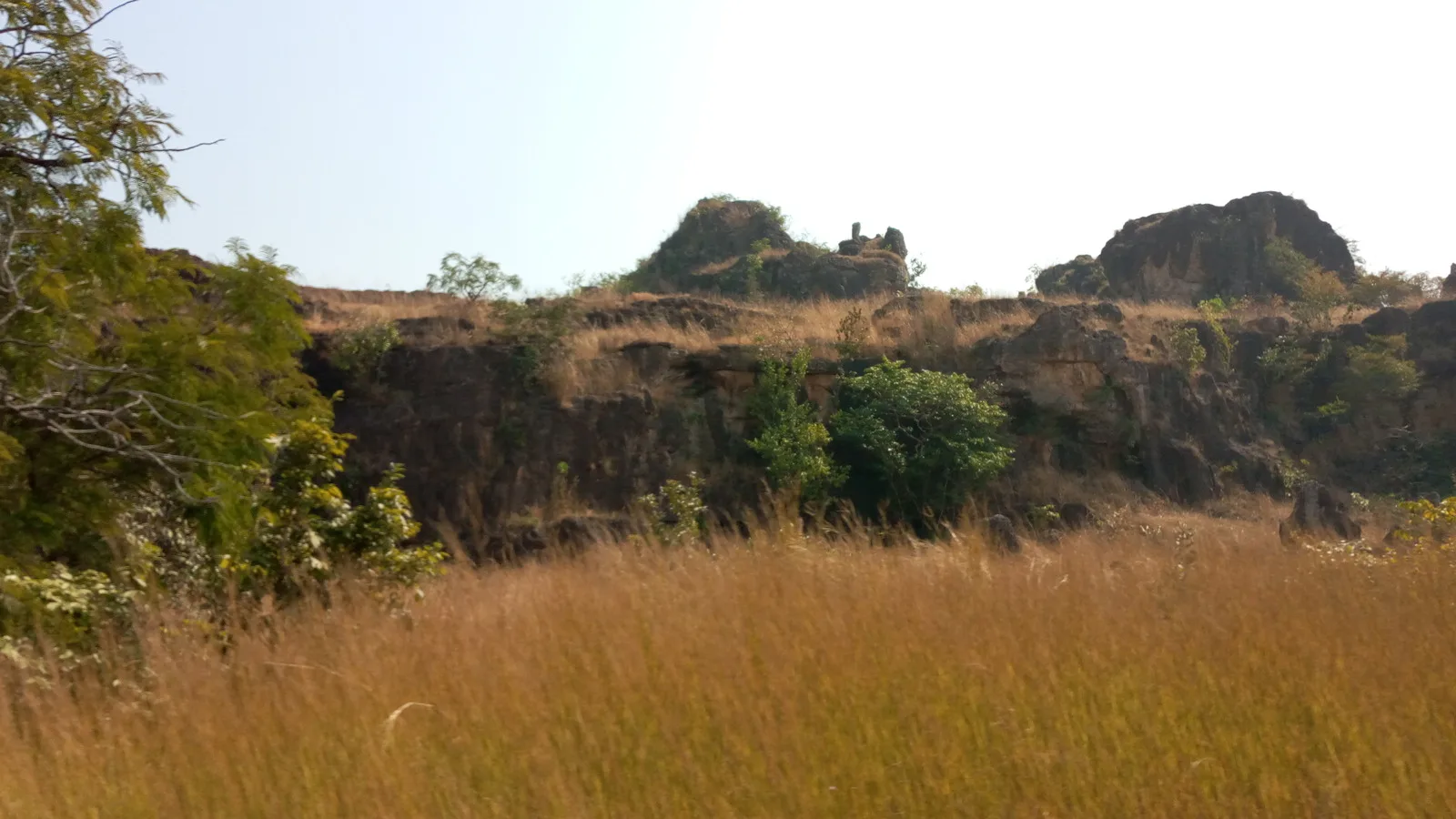
It is also where three of West Africa’s great rivers rise, including the Niger, and the Fouta Djallon highlands in the middle of the country are the reason. The photograph at the top of this page is the Fria prefecture in the dry season.
Food
Riz gras is the one-pot rice cooked in tomato and oil with meat or fish, and it turns up under other names all along this coast. Poulet yassa, onions and lemon over chicken, crosses the border from Senegal. Fonio, the tiny ancient grain, is worth eating here where it is grown rather than as a health-food import.
Practical orientation
French is the official language and Pular, Maninka and Susu are widely spoken. The currency is the Guinean franc. Conakry has the international airport and sits on a narrow peninsula, which shapes how long it takes to get anywhere in it.
The US advisory of 25 February 2026 places Guinea at Level 2, exercise increased caution, for crime, unrest and inadequate health infrastructure, with no Do Not Travel area. One restriction in it is worth reading as practical advice rather than as diplomacy: US government employees are prohibited from traveling between cities at night. Anyone planning to reach the Fouta Djallon or Nimba overland should plan to arrive in daylight.
Entry requirements vary by nationality and change. This page is not the authority on them.
This page states no entry, health or security requirements, and is not advice. Check your own government’s current guidance before making any decision.
Sources and references
- UNESCO World Heritage Centre: Guinea, States Parties
- UNESCO World Heritage Centre: Mount Nimba Strict Nature Reserve
- UNESCO Intangible Cultural Heritage: browse the Lists
- US Department of State: Guinea Travel Advisory
These are the authoritative references for the heritage this page discusses; each was checked at source on 13 August 2026. Practical details (entry rules, health guidance, opening times) change constantly. The bodies listed here are authoritative and this page is not.