Botswana Travel Safety Guide
- Country Botswana
- Guide Safety
- Reviewed 18 August 2026
- Length 4 min read
Credit Pdrousseau81, CC BY-SA 4.0, via Wikimedia Commons
Last reviewed 18 August 2026
Start with the shape of it. There is no recent history of terrorism in Botswana, attacks on tourists are rare, and the Foreign Office singles out no region of the country for special advice. It does not publish a regional risks page for Botswana at all, which is unusual and is worth reading as the reassurance it is.
What it does say is specific, and the specifics are more useful than a general impression of safety.
Crime, and where it is increasing
Violent crime is increasing, particularly in the major towns of Gaborone, Francistown and Maun. Criminals have carried out hold ups and robberies of restaurants during peak hours, which is not the time of day people expect to be at risk.
Cars waiting at traffic lights are targeted. Keep doors locked and windows closed, keep bags, phones and laptops out of sight, avoid carrying luggage visibly in the vehicle, and do not stop for anyone at the roadside.
House burglaries, often by armed gangs, are common. They do not usually target visitors, but there have been isolated room break ins and thefts from lodges in the Chobe area, particularly river fronting lodges. That is about as specific as a travel advisory gets, and it is worth acting on: lock your room, use the safe, and raise it with your operator if the accommodation does not feel secure.
Sexual assault
Botswana has a high number of sexual assaults. Foreign visitors are unlikely to be targeted, and the advice given is that women should take care when walking and avoid walking alone at night. This publication repeats it rather than softening it.
Laws worth knowing, and one that has changed
Same sex sexual activity is no longer prohibited by law in Botswana. That is a real and relatively recent difference from several of its neighbors, including Zambia, where it remains a criminal offense. Public attitudes are less tolerant than in Europe or North America, and public displays of affection may attract negative attention. Both halves of that are true and a reader deserves both.
Drug offenses are punished severely: a conviction can bring a fine of up to five hundred thousand pula, a prison sentence of up to twenty five years, or both. Prison conditions are generally poor.
It is illegal to photograph or film near military and government installations. Always ask permission before photographing people. Buying, selling, killing or capturing protected wildlife, or trading its parts, is prosecuted and sentences can be severe.
Always carry identification. A copy of your passport photo page is usually enough, so long as you can produce the original if asked.
Animals and water
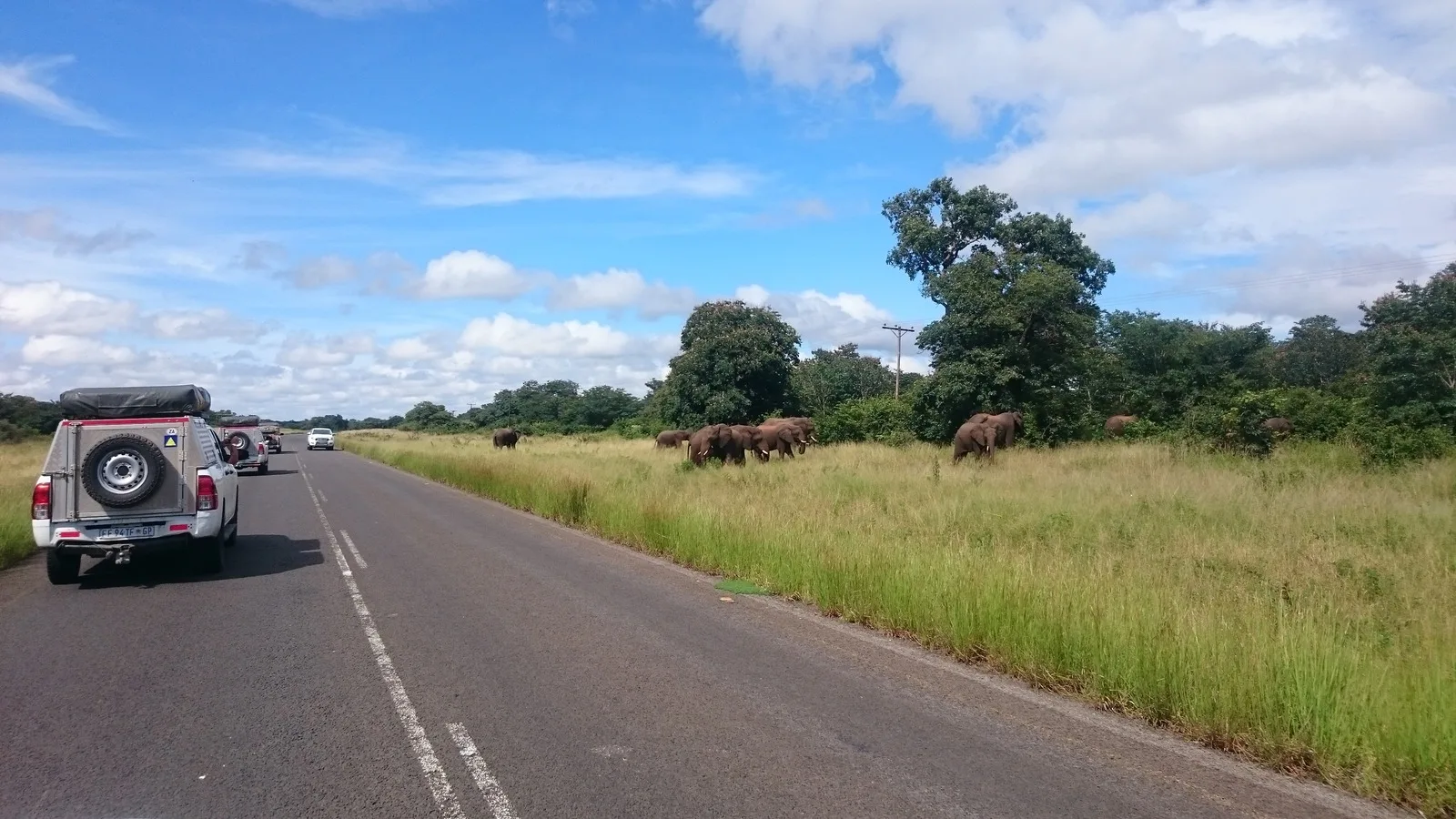
Dangerous animals roam open highways, inside and outside the reserves, and they behave unpredictably. Follow park regulations and what the wardens tell you.
Do not bathe in rivers or lakes. The reason is both crocodiles and hippos and water borne disease, and in a country whose main attraction is a wetland this is a live instruction rather than a formality. Schistosomiasis is among the named health risks here.
Health, because it changes what a risk costs
Healthcare is usually good in the major towns and limited in rural areas, and for serious treatment medical evacuation to South Africa or further may be necessary. The State of Public Health Emergency is over, but medicine and supply shortages remain widespread in public facilities nationwide, while private care is largely unaffected.
The financial side is blunt and worth knowing before you need it. Private hospitals will not treat you unless you can pay, and costs can be high. Public hospitals will take you as an emergency patient only if you have full insurance. Outpatient treatment is paid up front.
Malaria is present and was reported in April 2025 to have spread beyond its usual areas. There are occasional anthrax outbreaks among wild animals: do not touch dead animals or carcasses, and seek urgent advice if you think you have.
Sensible habits
- Doors locked and windows closed in traffic, with bags out of sight
- Extra care in Gaborone, Francistown and Maun, including at restaurants in the evening
- Room locked and valuables in the safe, particularly at river fronting lodges in Chobe
- A copy of your passport photo page carried, with the original accessible
- Permission asked before photographing anyone, and no photographs near military or government sites
- No bathing in rivers or lakes, anywhere
- No contact with dead animals or carcasses
- Insurance that covers medical evacuation, because the alternative is paying up front