Getting Around Ethiopia
- Country Ethiopia
- Guide Flight Planning
- Reviewed 20 August 2026
- Length 2 min read
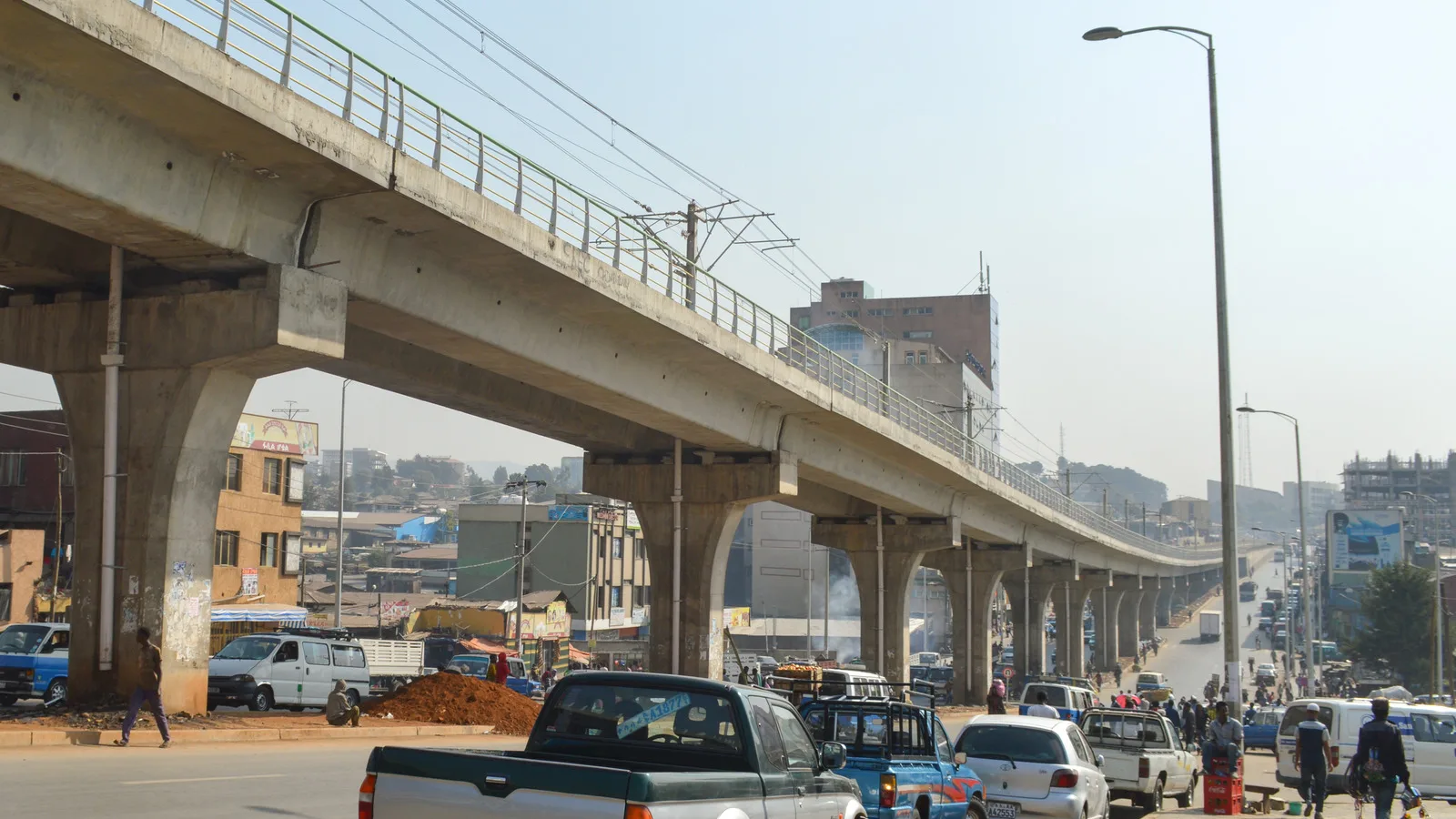
Credit Francisco Anzola, CC BY 2.0, via Wikimedia Commons
Last reviewed 20 August 2026
On most destinations a transport guide is about schedules and fares. On Ethiopia in 2026 it is first about which routes exist at all, because several of the ones a guidebook would send you down are currently closed.
Routes that are not available
Those four lines remove the classic northern historic circuit. This publication is not going to pretend otherwise, and any itinerary offered to you that still runs Addis to Bahir Dar to Gondar to Lalibela to Aksum should be questioned closely.
- All civilian flights to and from Tigray region have been suspended since 29 January 2026. That is the way most visitors reached Aksum.
- Foreign nationals are currently unable to travel to airports in Afar regional state because of restrictions imposed by the Ethiopian authorities.
- The FCDO advises against all travel to all of Amhara regional state, which contains the road and air routes to Lalibela and Gondar.
- It records an increase in roadblocks across Amhara, and heavily restricted movement.
Roads, and the A1
The FCDO records irregular armed clashes between ethnic groups in the Afar region and the Somali Regional State, in particular along the main Addis Ababa to Djibouti road, the A1, and the surrounding areas. Attacks are described as sporadic and infrequent but may involve roadblocks and vehicles being targeted.
It also reports attacks on vehicles on the A1 between Adama and Awash in West and North Shewa zone, while noting these have not targeted international travelers. Anyone considering the Awash valley should read that sentence carefully, because that is the road.
In and around Addis Ababa
- Bag and jewelry snatching from vehicles at traffic lights is a recorded risk, as are thefts from parked cars.
- There is a risk of petty theft around Bole International Airport, particularly pickpocketing.
- The FCDO advises considering road transport rather than walking in several parts of the city, especially after dark.
- Expect road checkpoints. Officials may carry out direct police operations, and the advice is to avoid confrontation and follow instructions.
Assume the network can go down
Among the disruptions the FCDO lists are temporary closures of roads, internet and mobile networks. Plan on the assumption that a ride hailing application, an online map and a messaging service may all be unavailable at the same moment.
Carry your accommodation address written down, agree a meeting point rather than relying on a call, and keep cash on you, because a card is no more use than a phone when the network is off.