Mauritius Visa and Entry Requirements
- Country Mauritius
- Guide Visa and Entry
- Reviewed 19 August 2026
- Length 2 min read
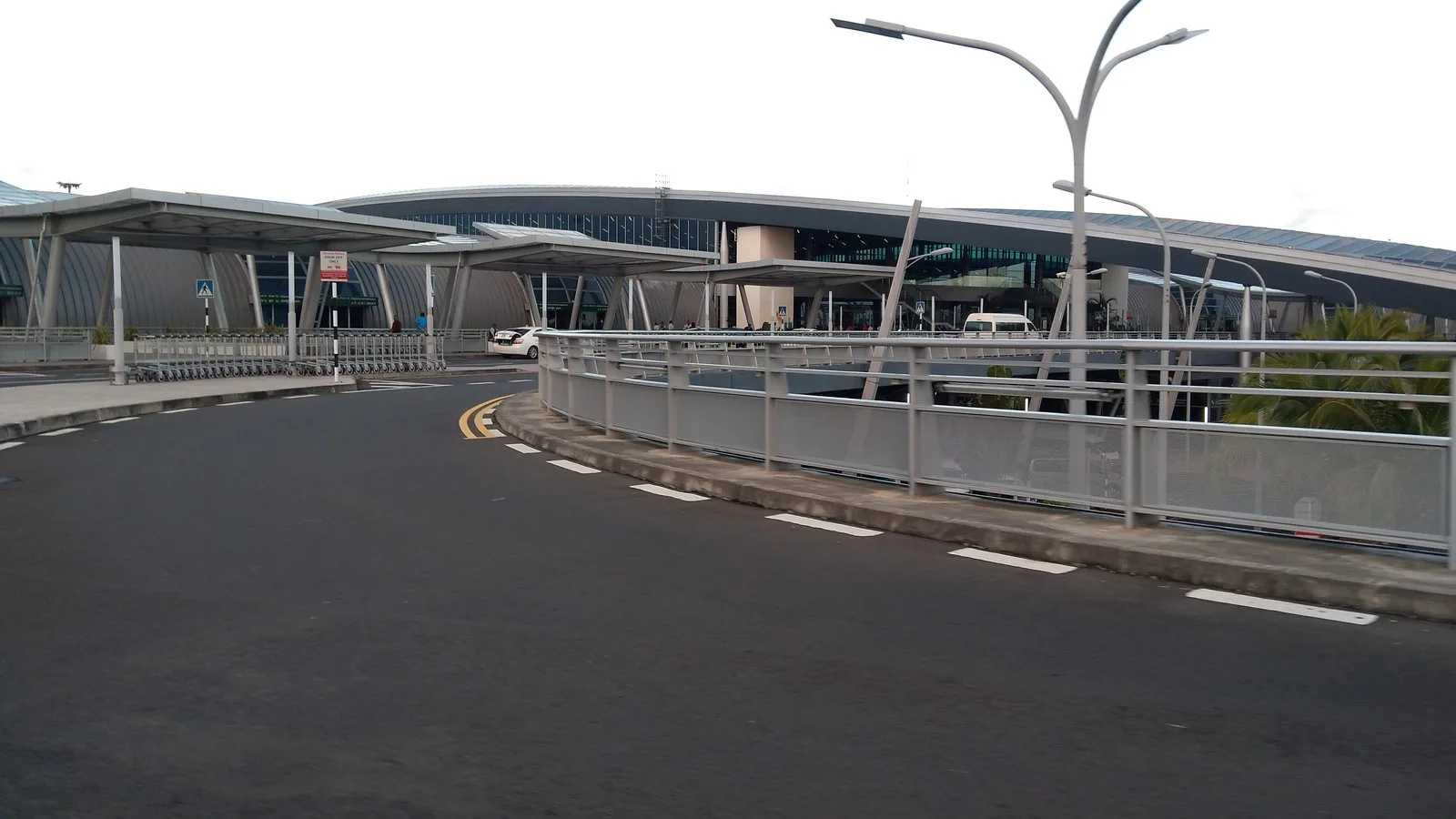
Credit आशीष भटनागर, CC BY-SA 3.0, via Wikimedia Commons
Last reviewed 19 August 2026
Mauritius is one of the easier arrivals in this part of the world, and the easy part is the visa. British citizens, and the nationals of a long list of other countries, are admitted without one for stays of up to sixty days. A border officer stamps the passport with the date your permission ends, and that stamp is the document that matters.
The part people miss is the form.
Before you fly
The passport rule is unusually light. There is no six month requirement here, as there is across much of the region. Validity for the duration of the stay and one blank page is the whole of it.
- A passport valid for the whole of your stay, with at least one blank page.
- The Mauritius All in One travel form, completed online, printed, and carrying its QR code.
- Proof of onward or return travel, which a border officer may ask to see.
- Confirmed accommodation, or an address where you will be staying.
- Travel insurance that covers medical treatment and evacuation.
The health declaration form is not optional
The All in One travel form is run by the Ministry of Health and Wellness. Completing it before travel is a legal requirement rather than a courtesy, and proof of completion can be demanded at boarding, before you have left home. Refusing to complete it, or filling it in falsely, carries a fine of up to five hundred thousand rupees and a prison sentence of up to five years.
It is free. The government charges nothing for it, and any site asking you to pay for one is not the government. If you land without having done it you will be handed an immigration disembarkation card at the airport instead, which works, and costs you the time you were trying to save.
Longer stays, and what changes
Sixty days covers a holiday and covers most family visits. Working, studying, running a business or staying longer than the stamp allows are all different questions, and they go through the Passport and Immigration Office rather than through the airport. Start that conversation before you fly, not after you arrive on a visitor stamp and think about extending.
Customs, and what not to carry
The Mauritius Revenue Authority publishes the list of goods that may not be brought in and the list that may be brought in only with permission. Read it if you are carrying anything unusual, and read it in particular if you are carrying plant material, animal products or anything derived from a protected species.
Drugs are the serious one, and they belong here rather than only in the safety guide, because the risk begins at the airport. Penalties are severe, they apply to transit passengers as well as to arrivals, and bail is unlikely whatever the substance.