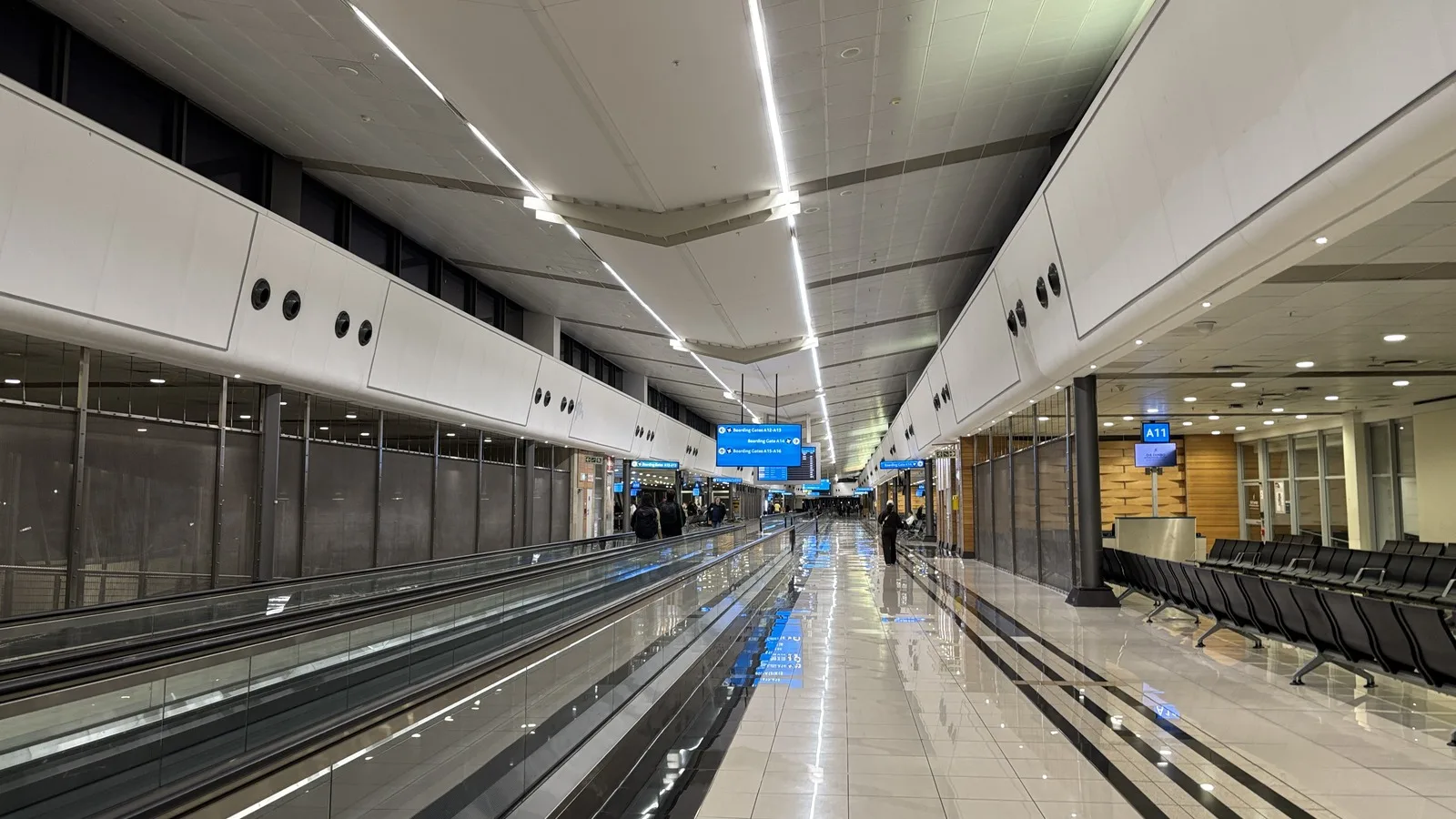
South Africa Visa and Entry Requirements
- Country South Africa
- Guide Visa and Entry
- Reviewed 16 August 2026
- Length 3 min read
Credit Nick-D, CC BY-SA 4.0, via Wikimedia Commons
Last reviewed 16 August 2026
South Africa lets a large number of nationalities in without a visa, which makes the paperwork feel lighter than it is. Two things catch people out: there is no visa counter at the airport if you turn out to need one, and since the middle of 2026 there is a declaration to file before you fly.
Who needs a visa
A large number of passports, including British ones, enter South Africa without a visa for stays of up to ninety days for tourism or business. Many others do need one arranged in advance. Which group you are in depends on the passport you actually travel on rather than where you live, and on why you are going.
The Department of Home Affairs sets those rules and publishes the current list. This page does not restate it, because it changes and a stale list is worse than none.
There is no visa on arrival
This is the sentence worth reading twice. Home Affairs states plainly that visas are not issued at South African ports of entry. If your nationality needs a visa, it has to be in hand before you board, applied for through a South African embassy, high commission or consulate, or through the visa service they direct you to.
Being turned around at Johannesburg is a long way to come to be sent home. Check early enough that a slow application is still recoverable.
The online traveler declaration
Since the first of July 2026 everyone crossing the South African border in either direction is asked to submit an online traveler declaration first. It applies by air, land, sea and rail, and it applies to South African citizens and residents as well as to visitors. Passengers who are only changing planes and never leave the transit area are outside it.
It is filed no more than twenty four hours before you leave the country you are traveling from, through the Revenue Service website or its traveler app.
One qualification matters, and it is the Revenue Service’s own: nobody is refused entry or exit purely for arriving without having filed. Officials and self service terminals at the port are there to help anyone who could not. Treat it as a thing to do properly rather than a thing to panic about at the gate.
Your passport, and traveling with children
Your passport needs to be valid for at least thirty days after the date you intend to leave South Africa, which is a shorter margin than the six months many countries ask for and therefore easy to misjudge in the other direction. It also needs at least two blank pages for stamps. A passport with one page left is a refused boarding.
South Africa has particular requirements for traveling with anyone aged seventeen or under, and further ones for a child traveling without both parents. They exist to make child trafficking harder and they are enforced. Home Affairs publishes what is currently required; check it well before you book, because some of it involves documents that take time to obtain.
Before you fly
Yellow fever is a transit question rather than a South Africa question: the certificate is asked for when you are arriving from a country where the disease is a risk, which includes several this publication writes about. A connection through one can count.
- Passport valid at least thirty days beyond your departure date
- At least two blank passport pages
- Visa arranged in advance if your nationality needs one, because none is issued on arrival
- Online traveler declaration filed within twenty four hours of departure
- Documents for any traveler aged seventeen or under, checked against Home Affairs
- Yellow fever certificate if you are arriving from a country listed as a transmission risk