Tunisia Travel Safety Guide
- Country Tunisia
- Guide Safety
- Reviewed 20 August 2026
- Length 3 min read
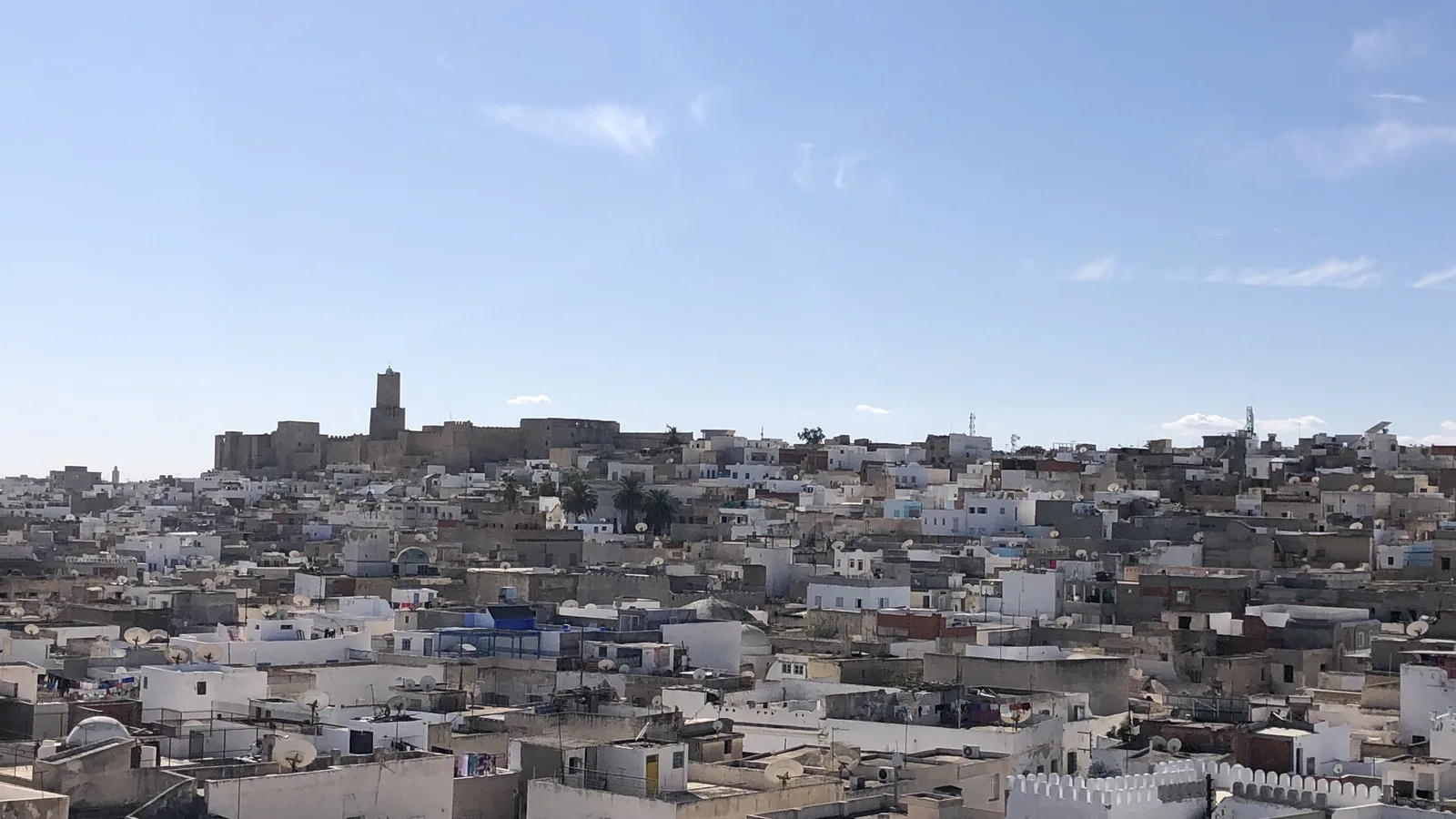
Credit Yamen, CC BY-SA 4.0, via Wikimedia Commons
Last reviewed 20 August 2026
Tunisia needs a more careful safety page than Morocco, and the reason is geography rather than crime. The country borders Libya and Algeria, its security problems have been concentrated in those border zones and in a small number of inland mountain areas, and it has been under a formal state of emergency since a terrorist attack on a police bus in 2015.
What that means for a visitor is mostly visible rather than restrictive. Security forces are present in numbers, including at the entrances to some towns and cities, and checkpoints are normal.
The areas that are actually excluded
The United States places Tunisia at Level 2, Exercise Increased Caution, for terrorism, crime and unrest, and it names six areas as Do Not Travel: within sixteen kilometers of the Algerian border, except the towns of Tabarka and Ain Draham; within sixteen kilometers of the Libyan border; Mount Chaambi National Park, Mount Salloum, Mount Sammamma and Mount Mghila in Kasserine governorate; the Mount Orbata area in Gafsa governorate; and the desert south of Remada, which is a military zone.
Read that list against a normal itinerary and it excludes nothing. Tunis, Carthage, Sidi Bou Said, Kairouan, Sousse, El Jem, Dougga, Djerba, Tozeur and Douz all sit well outside it. The FCDO adds that instability and violence continue on the Libyan border and that Tunisian security forces, rather than visitors, have been the primary target in terrorist incidents.
Laws that differ from home
The antiquities rule belongs on this page rather than a shopping one. Four of the five heritage guides in this cluster are archaeological sites, and a visitor there is exactly the person who will be offered a coin.
- Same-sex sexual activity is illegal in Tunisia, and the FCDO records that members of the LGBT+ community have been targeted by criminals.
- Do not photograph government buildings or military sites.
- Removing antiquities requires permission from the Tunisian authorities. An undeclared item risks a fine and a prison sentence.
- Drug offenses carry lengthy prison sentences and heavy fines, regardless of where you live, where you flew from, whether the substance is legal elsewhere, or how little you are carrying.
- Foreign nationals cannot buy property outright in Tunisia.
- Respect for religious practice is expected, particularly during Ramadan.
Health, and what to arrange before you go
The emergency number for an ambulance in Tunisia is 190. That is not the Moroccan number, which is 150, and it is worth knowing which country you are in before you need it.
Start vaccinations at least eight weeks before departure. Hepatitis A and tetanus cover is recommended for most travelers and there is no yellow fever certificate requirement under the International Health Regulations. Bring prescription medication in its original packaging with a note from your doctor confirming it was prescribed to you, which is specific FCDO advice for Tunisia rather than a general precaution, and check the legal status of anything unusual with the Tunisian embassy before you fly.
Public and private healthcare both exist and the standard varies. The FCDO maintains a list of medical providers in Tunisia where some staff speak English, which is the practical starting point. Take out insurance that covers private treatment and repatriation, and make sure you can actually reach the funds.