Zambia Currency and Money Guide
- Country Zambia
- Guide Budget
- Reviewed 18 August 2026
- Length 2 min read
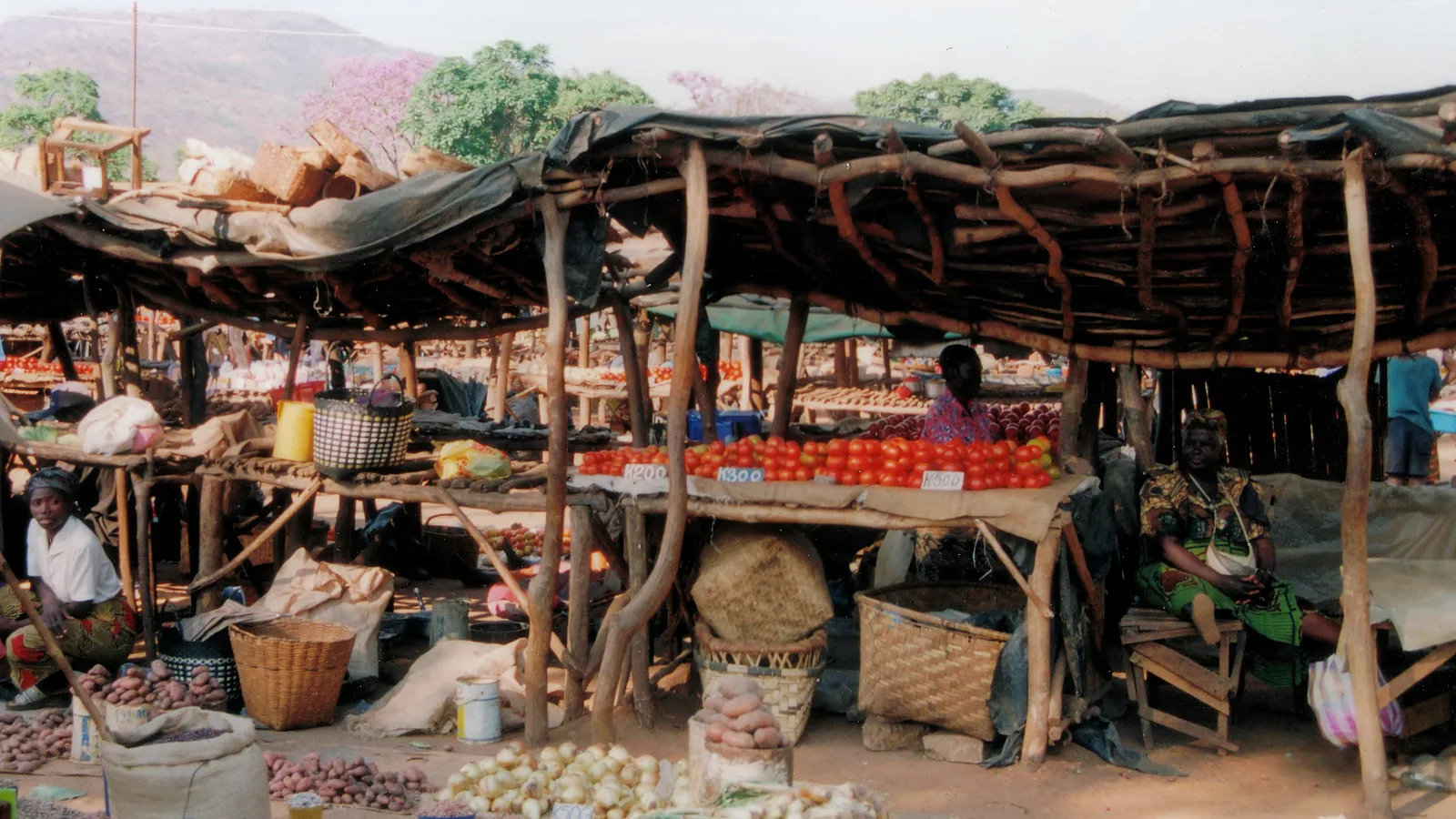
Credit Hans Hillewaert, CC BY-SA 3.0, via Wikimedia Commons
Last reviewed 18 August 2026
Zambia runs on the kwacha, and outside Lusaka and Livingstone it runs on cash and on phones rather than on cards. Planning for that is most of what a money guide for this country needs to say.
The kwacha
The currency is the Zambian kwacha, issued by the Bank of Zambia, and it divides into ngwee. You will see prices written with a K in front of them.
No exchange rate appears on this page, and that is deliberate. A rate printed in an article is wrong within weeks and a reader has no way of knowing how stale it is, which is worse than not being told at all. Look it up on the day, from your bank or from the central bank, and budget from that.
Cash, cards and the gap between them
Cards work in city hotels, at established lodges and in the larger supermarkets in Lusaka, Livingstone, Ndola and Kitwe. They stop working sooner than visitors expect once you leave those places. The camps in South Luangwa and the Lower Zambezi mostly bill through their booking, which is why a safari can be almost cashless and a day in a market town cannot.
Carry more small notes than feels necessary. Park fees, curio stalls, tips and a boat across a river are all cash, and change for a large note is a genuine problem rather than an inconvenience.
Mobile money
Zambia is a mobile money country. A great deal of ordinary commerce moves through phone wallets rather than bank accounts, and small businesses that have never taken a card take a transfer without blinking. Most services are tied to a local SIM and a local registration, so a visitor on roaming usually cannot use them directly.
What that means in practice is that the person you are paying may find your cash more awkward than their neighbor does. It is worth understanding rather than fighting.
Tipping, and what things cost
Tipping is normal in the tourism economy and not expected outside it. Guides, trackers and camp staff are usually tipped at the end of a stay, often into a shared box, and your lodge will tell you what is customary if you ask. Asking is better than guessing.
Zambia is not a cheap safari destination. The parks are large, the camps are small and seasonal, and a good deal of what you pay is the cost of operating a long way from a road. The Victoria Falls end of the country is priced differently from the rest of it.
Money, practically
- Look up the rate on the day you travel rather than trusting a printed one
- Carry more small denomination notes than you think you need
- Expect cards in city hotels and larger supermarkets, and not much further
- Assume park fees, tips and market purchases are cash
- Tell your bank you are traveling, because a blocked card is a long way from help
- Keep some kwacha back for a departure charge at the airport