Zambia Travel Safety Guide
- Country Zambia
- Guide Safety
- Reviewed 18 August 2026
- Length 4 min read
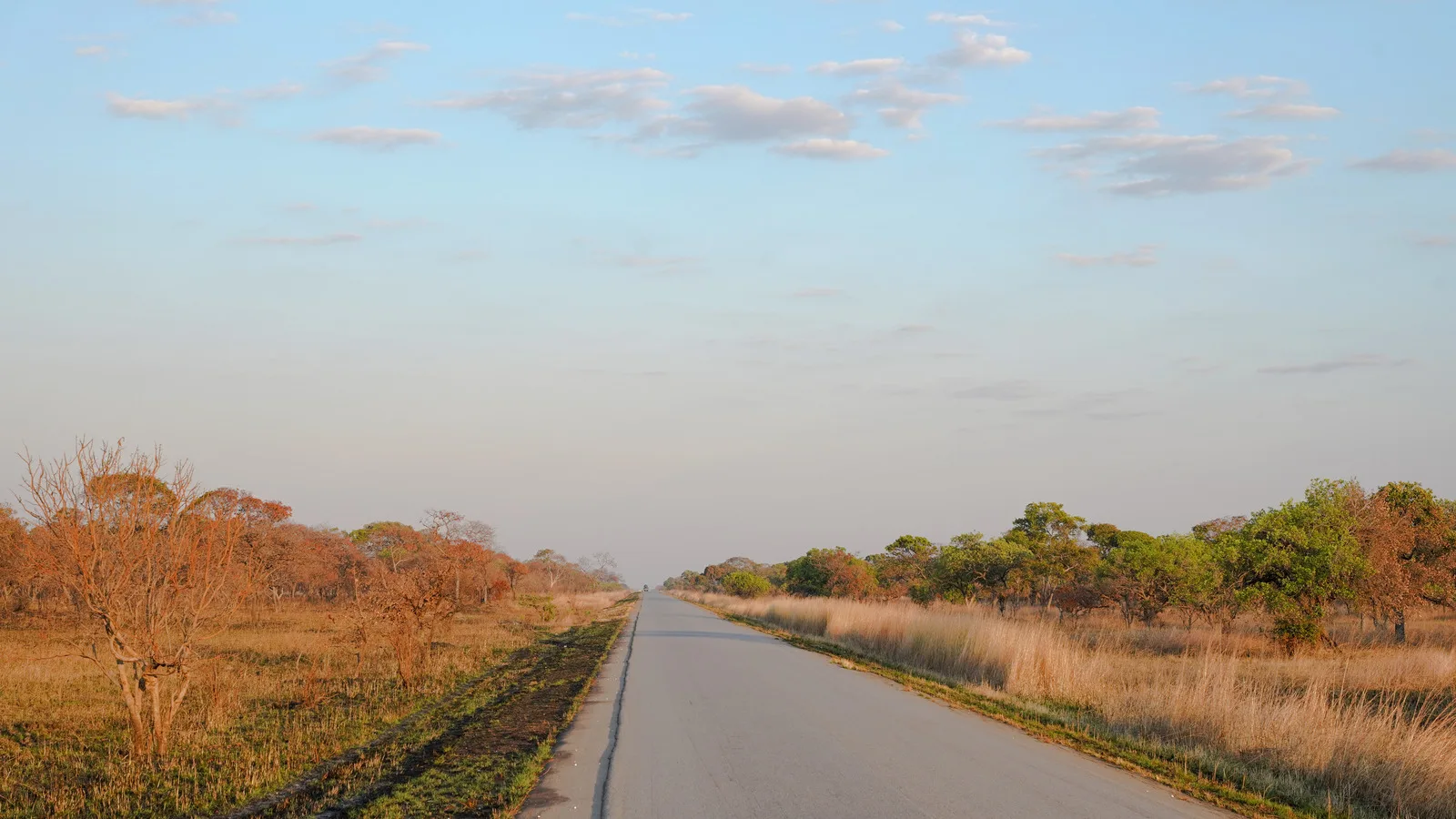
Credit Timothy A. Gonsalves, CC BY-SA 4.0, via Wikimedia Commons
Last reviewed 18 August 2026
Start with what is not here. The British Foreign Office advises against travel to no part of Zambia. There is no region on its map that visitors are told to avoid, which is unusual enough in this part of the world to be worth saying plainly before anything else on this page.
What follows is the ordinary business of traveling carefully in a country where the road is more dangerous than the crime.
Crime
Travel in the larger cities and the major game parks is generally safe during daylight hours. Serious crimes do happen. The practical advice is unglamorous and works: pre-arrange transport rather than walking at night, keep your valuables and the originals of important documents somewhere secure, and carry a copy of your passport photo page and entry stamp instead of the passport itself.
In a vehicle, keep the windows closed and the doors locked. Ignore hitchhikers and anyone trying to flag you down. Watch for carjackers when you are approaching a locked gateway at night, or if an object has been placed to block the road. Use cars arranged by a hotel or an operator.
Laws that catch visitors out
Three of these surprise people, and one of them is serious enough that it belongs at the top of any honest safety page.
Same sex sexual activity is illegal in Zambia, and a conviction can carry a long prison sentence. This publication states that because a reader who is affected by it needs to know before they book, not because it is a comfortable thing to print. It is the law as it stands, and it is enforced.
Possessing pornographic material is illegal, and offenders may be jailed or deported. Drugs, including marijuana, are illegal, and both use and smuggling are treated as serious offenses. Photographing sensitive sites such as army barracks or government buildings is illegal and can lead to arrest: if you are unsure, do not take the picture.
Buying, selling, killing or capturing a protected wild animal, or trading its parts without a license, is prosecuted. That includes souvenirs.
Animals and adventure
Wild animals in the bush, including venomous snakes, are unpredictable and do kill, on land and on water. Zambia is a walking safari country and the guides who run those walks are professionals; the instructions they give are not a formality.
Adventure sports around Victoria Falls have caused serious accidents and deaths. The quality of medical care varies greatly, which changes the arithmetic of an activity that would be routine at home. Follow the safety instructions closely and make sure your insurance actually covers what you are about to do.
Health, briefly, because it is part of safety here
Medical facilities in Zambia are of a lower standard than you will be used to. Rural facilities are basic and emergency services are limited, which is the single fact that should shape how you think about risk in a remote camp. Carry basic medical supplies and insurance that covers treatment and repatriation.
The health risks named for Zambia include yellow fever, malaria, dengue fever, cholera and mpox. Adult HIV prevalence is estimated at about eleven percent, against 0.2 percent in the United Kingdom, which is context for taking the ordinary precautions seriously rather than a reason for alarm.
One current warning is specific and easy to miss. In February 2025 chemical waste containing heavy metals was released from a mine in Copperbelt Province into the Chambishi Stream and the Mwambashi and Kafue rivers. The advice is to avoid bathing near that stretch and to avoid untreated local water or fish from the area. Boiling does not remove heavy metals, which is the part that catches people out, because boiling is the answer to almost every other water question.
Demonstrations, and one border
Demonstrations and protests happen in Lusaka and other urban areas. They can disrupt transport and turn violent. Leave if a crowd develops, and do not cross a protester roadblock, which is likely to provoke a violent reaction.
In rural areas near the Democratic Republic of Congo, take care: the border is not demarcated and it is possible to cross it without meaning to. Legitimate crossings are generally safe.
Sensible habits
- Pre-arrange transport instead of walking after dark
- Windows closed and doors locked when driving, and no stopping for flag downs
- A copy of your passport and entry stamp on you, the original somewhere secure
- No photographs of army barracks, government buildings or anything you are unsure about
- Leave any crowd that forms, and never cross a protester roadblock
- Insurance that names the adventure activity you have booked
- The guide’s instructions followed exactly on a walking safari
- Insurance that covers medical treatment and repatriation, because rural emergency services are limited