Zambia Packing List
- Country Zambia
- Guide Packing
- Reviewed 18 August 2026
- Length 3 min read
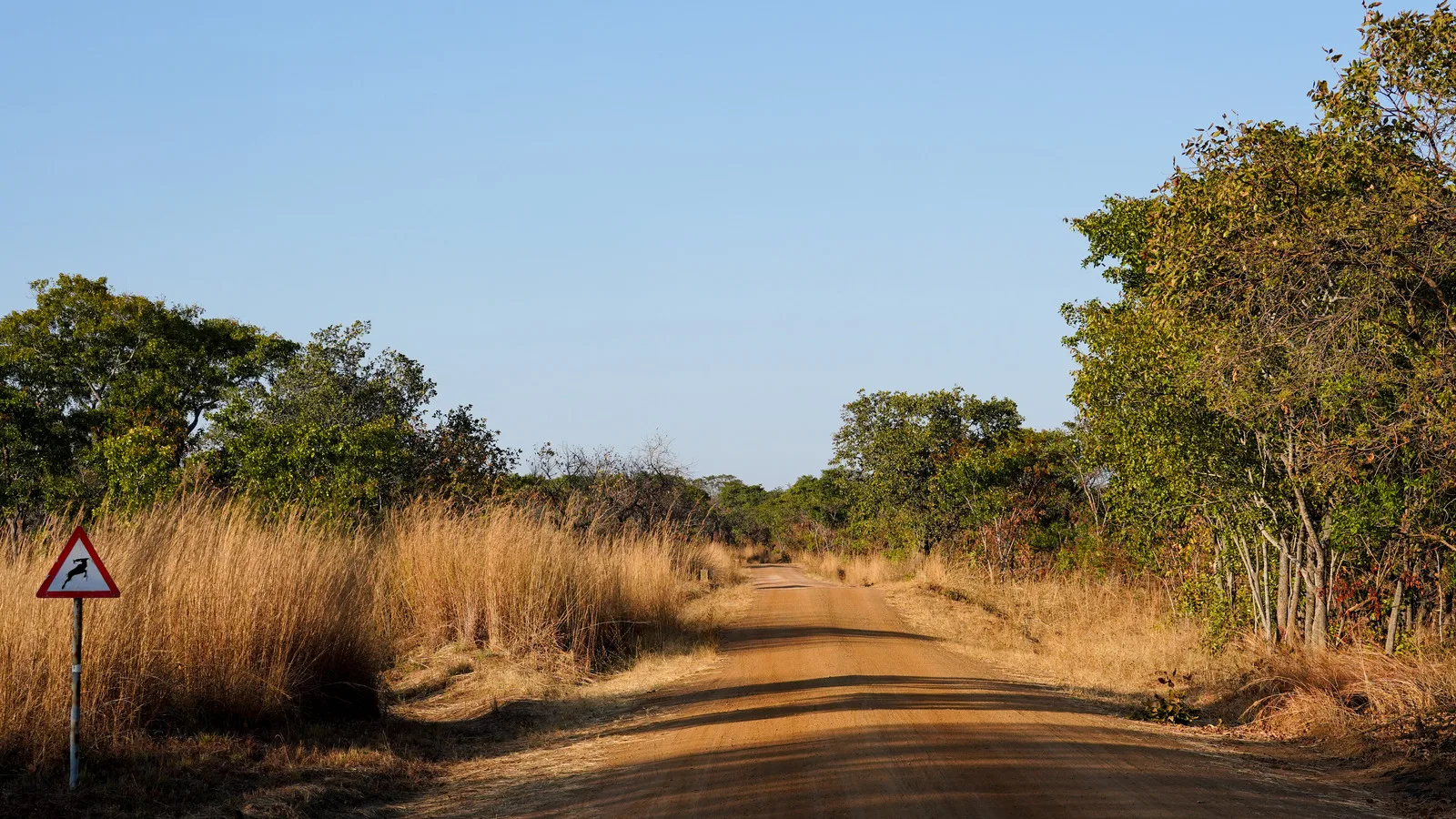
Credit Timothy A. Gonsalves, CC BY-SA 4.0, via Wikimedia Commons
Last reviewed 18 August 2026
Most packing advice for this part of Africa assumes a dry season and a wet one. Zambia has three, and they are different enough that a list which works in September is wrong in June and useless in January.
The three seasons
UNESCO’s own description of the Barotse floodplain sets them out plainly: a hot dry season from August to October, a hot wet season from November to April, and a cool dry season from May to July. That is the pattern across most of the country.
The cool dry season is the one visitors underestimate. Nights in June and July on the Zambezi or in the Luangwa valley are genuinely cold, and a morning game drive in an open vehicle at that time of year is colder still. People arrive dressed for Africa and spend the first hour of every drive shivering.
What the clothing has to do
Layers, in muted colors, that can be washed in a basin and dried overnight. Camps do laundry, often daily, which means you need far fewer clothes than you would pack for the same number of days at home.
Long sleeves and long trousers in the evening are the sensible response to mosquitoes rather than a dress code. A warm layer and something windproof for early mornings between May and August. A hat with a brim, because there is very little shade in a vehicle.
Zambia is a walking safari country more than most of its neighbors, so shoes that have already been walked in matter more here than they would somewhere you only ever sit in a vehicle.
Rain, dust and the state of the roads
Between November and April the rain is heavy and the FCDO notes that it can wash away bridges and roads outright. If you travel then, everything that must stay dry needs to be in something waterproof inside your bag, not just in the bag.
Between August and October it is the opposite problem. Dust gets into camera bodies, lenses and phone ports, and a dry bag or a few sealable pouches earn their space.
The health kit
Medical facilities are of a lower standard than you are used to, rural facilities are basic, and emergency services are limited. That is the FCDO’s assessment and it is the reason to carry a real kit rather than a token one.
Bring enough of any prescription medicine for the whole trip and some over, in its original packaging, with the prescription. Malaria is among the risks named for Zambia, so prophylaxis is a conversation with a travel clinic well before departure rather than something to sort out at the airport.
The bag
- Layers in muted colors, fewer than you think, because camps wash clothes
- A warm windproof layer for morning drives between May and August
- Walking shoes already broken in, because this is walking safari country
- Long sleeves and trousers for the evenings, against mosquitoes rather than for style
- Waterproof inner bags from November to April, and dust proof ones from August to October
- Prescription medicine for the whole trip and some over, in its original packaging
- Malaria prophylaxis discussed with a travel clinic before you go
- A real first aid kit, because rural emergency services are limited
- A torch, since power is not continuous everywhere