Heritage
Egypt and Diaspora Reconnection
Egypt sits at the join of Africa and the Arab world, and the Nubian south carries a displacement story that the monuments above it are famous for.
- Country Egypt
- Category Heritage
- Reviewed 16 August 2026
- Sources 3
- Length 2 min read
Credit Warren LeMay, CC0, via Wikimedia Commons
Egypt occupies an awkward and interesting position in the diaspora conversation. It is unambiguously in Africa and it is also part of the Arab world, and for a long time the second identity was the one presented to visitors. The African one is easier to see in the south.
Nubia, and what the reservoir covered
Nubia straddles the modern border between Egypt and Sudan and has its own languages, its own architecture and a history that runs parallel to pharaonic Egypt rather than beneath it. Nubian kingdoms ruled Egypt itself for a period.
When the reservoir behind the Aswan High Dam filled, it flooded Nubian land. The monuments in the flood zone were cut apart and moved to higher ground in an international campaign that ran for two decades and is still the most famous rescue in the history of archaeology. The villages were not moved to higher ground. Their communities were resettled elsewhere.
Both halves of that are worth holding together. The temples were saved by an extraordinary act of international cooperation, and the people who lived among them were displaced by the same project.
Echoes of AfricaThe temples were lifted stone by stone to higher ground. The villages beneath them were not.
Visiting Nubia now
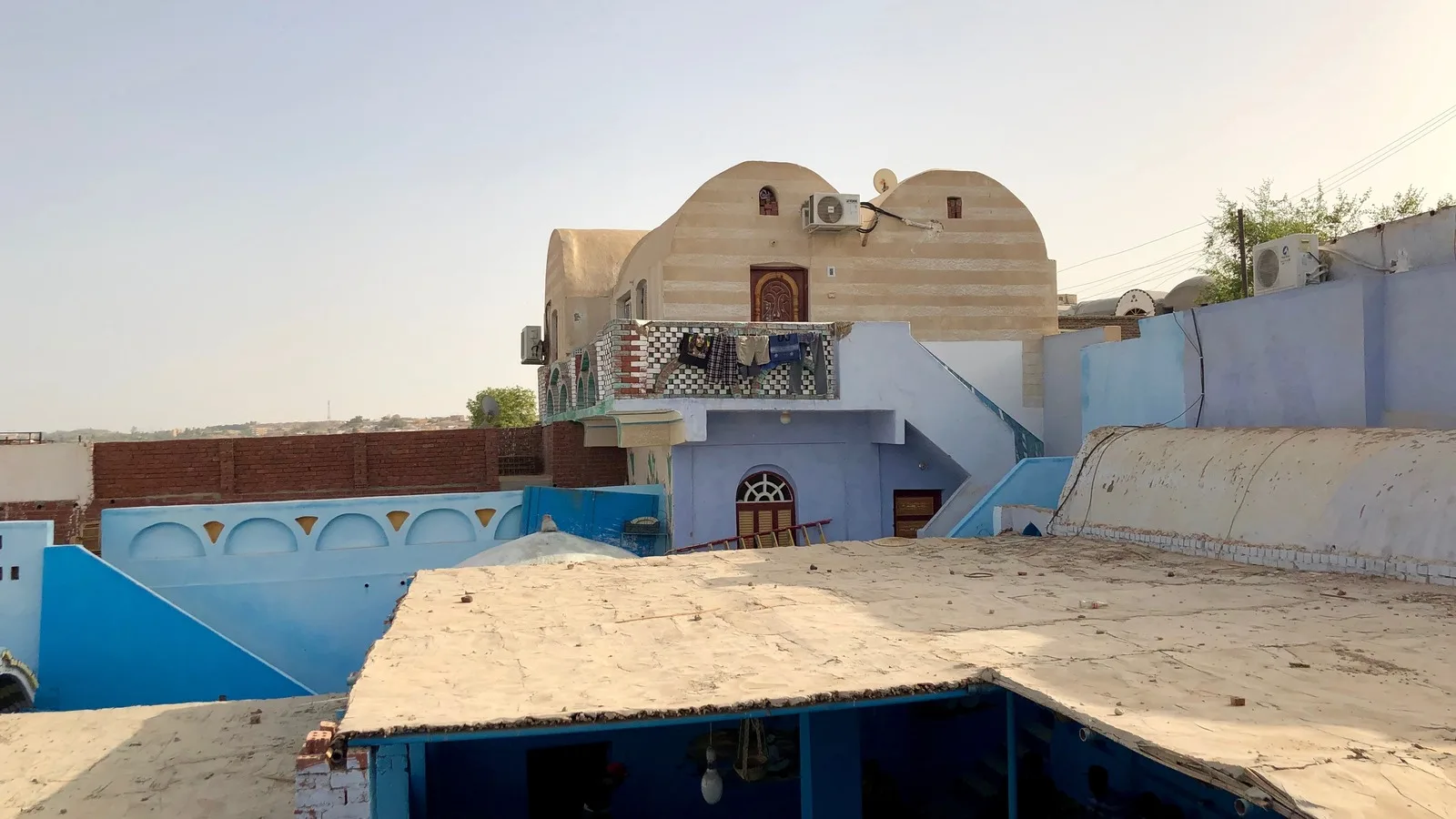
Nubian villages around Aswan, on the west bank and on Elephantine Island, are open to visitors and several families run guesthouses and serve meals. The houses are painted, domed and vividly colored, which is a real architectural tradition rather than a decoration for tourists.
The Nubian Museum in Aswan is the serious account and is worth more time than it usually gets. It exists partly because of the displacement, as a place to hold what was moved and what was recorded.
The Black history conversation
Egypt occupies a particular place in African American historical thought, and the debate about ancient Egypt’s relationship to the rest of the continent is old, live and sometimes heated. This publication does not think a travel page is the place to settle it.
What is worth saying is practical. If that conversation is why you are coming, the south is where the trip should be weighted. Aswan, the Nubian communities and the museum there address it directly, and a standard itinerary that runs Cairo to Luxor and turns round will mostly miss it.
Planning a trip weighted toward this
- Give Aswan more than a single night, because it is where the Nubian south begins
- The Nubian Museum in Aswan, early, before the temples rather than after them
- A Nubian guesthouse rather than a hotel, if you want the conversation as well as the view
- Abu Simbel and Philae, both moved, both worth understanding as rescues rather than ruins
- A guide from the community rather than one brought down from Cairo
Sources
- UNESCO World Heritage Centre: Nubian Monuments from Abu Simbel to Philae, inscription 88
- UNESCO World Heritage Centre: Egypt, States Parties
- Egyptian Ministry of Tourism and Antiquities: the custodian of the monuments
The Nubian Monuments covers the rescue campaign in more detail.