Accessible Travel in Egypt
- Country Egypt
- Guide Accessibility
- Reviewed 16 August 2026
- Length 2 min read
Credit Shukhrat Sadiev, CC BY-SA 4.0, via Wikimedia Commons
Last reviewed 16 August 2026
Egypt has a reputation for being impossible with reduced mobility, and it is not accurate. It is hard, it is inconsistent, and it requires far more advance research than a European trip. But a considerable amount of it is reachable, and the parts that are not are usually not for reasons anyone could have fixed.
What tends to work
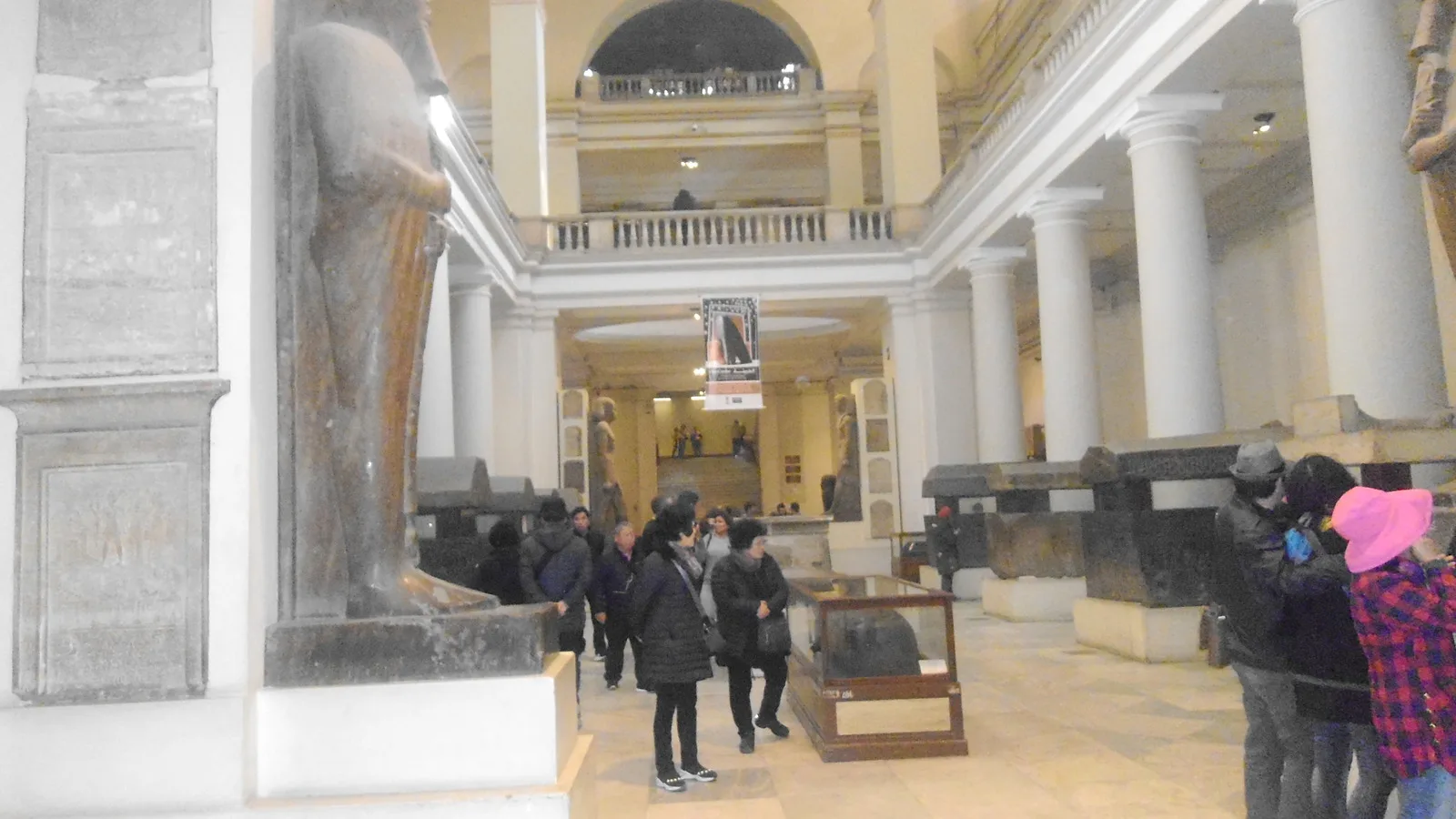
The large modern museums are the strong point: level floors, lifts and space to move. Nile cruise boats vary enormously but several have lifts and adapted cabins, and a cruise has the advantage of bringing the sites to you rather than the reverse.
Several major open air sites are largely flat, and specialist operators run Egypt itineraries for wheelchair users with adapted vehicles and staff who have done it before. Where that exists it works well, because it has been designed rather than improvised.
What does not, and why
Tombs are the hard limit. The Valley of the Kings involves ramps and steps down into confined descending corridors, and there is no version of that which is step free. Many temples have uneven, polished, sloping stone floors that are difficult on wheels and treacherous on sticks.
Pavements in Cairo are uneven where they exist, dropped curbs are rare, and traffic does not stop. The metro is largely not step free. Accessible bathrooms exist in newer hotels and museums and rarely elsewhere.
Questions worth asking before you book
Ask for photographs and measurements. A vague warm answer usually means nobody has tried it.
- Doorway widths in centimeters, rather than whether a room is described as accessible
- Whether the cruise boat has a lift, and whether it reaches every deck you need
- How the boat is boarded, because gangplanks between moored vessels are common
- Whether a site has a level route from the parking area, and how far that is
- Whether the operator has taken a wheelchair user to this specific site before
- Whether staff are trained to assist, or whether willingness is being offered instead
Heat, and pacing
Heat is an accessibility issue here and is often left out of the conversation. Shade at the major sites is minimal, distances between the entrance and the monument are longer than they look, and anyone whose condition is affected by temperature should plan around the winter months and the early morning rather than around the itinerary.
Building in rest and cutting the number of sites per day does more for a difficult trip here than any single piece of equipment.