Accessible Travel in Kenya
- Country Kenya
- Guide Accessibility
- Reviewed 16 August 2026
- Length 3 min read
Credit Stowe14, CC BY 4.0, via Wikimedia Commons
Last reviewed 16 August 2026
Kenya is an unusual case. The thing most visitors come for, a safari, can be genuinely accessible with the right operator, because it happens from a vehicle and from a small number of lodges that have thought about it. Getting around the cities is harder.
We would rather say that plainly than publish an encouraging page that leaves someone stranded at a curb in Nairobi.
Getting around
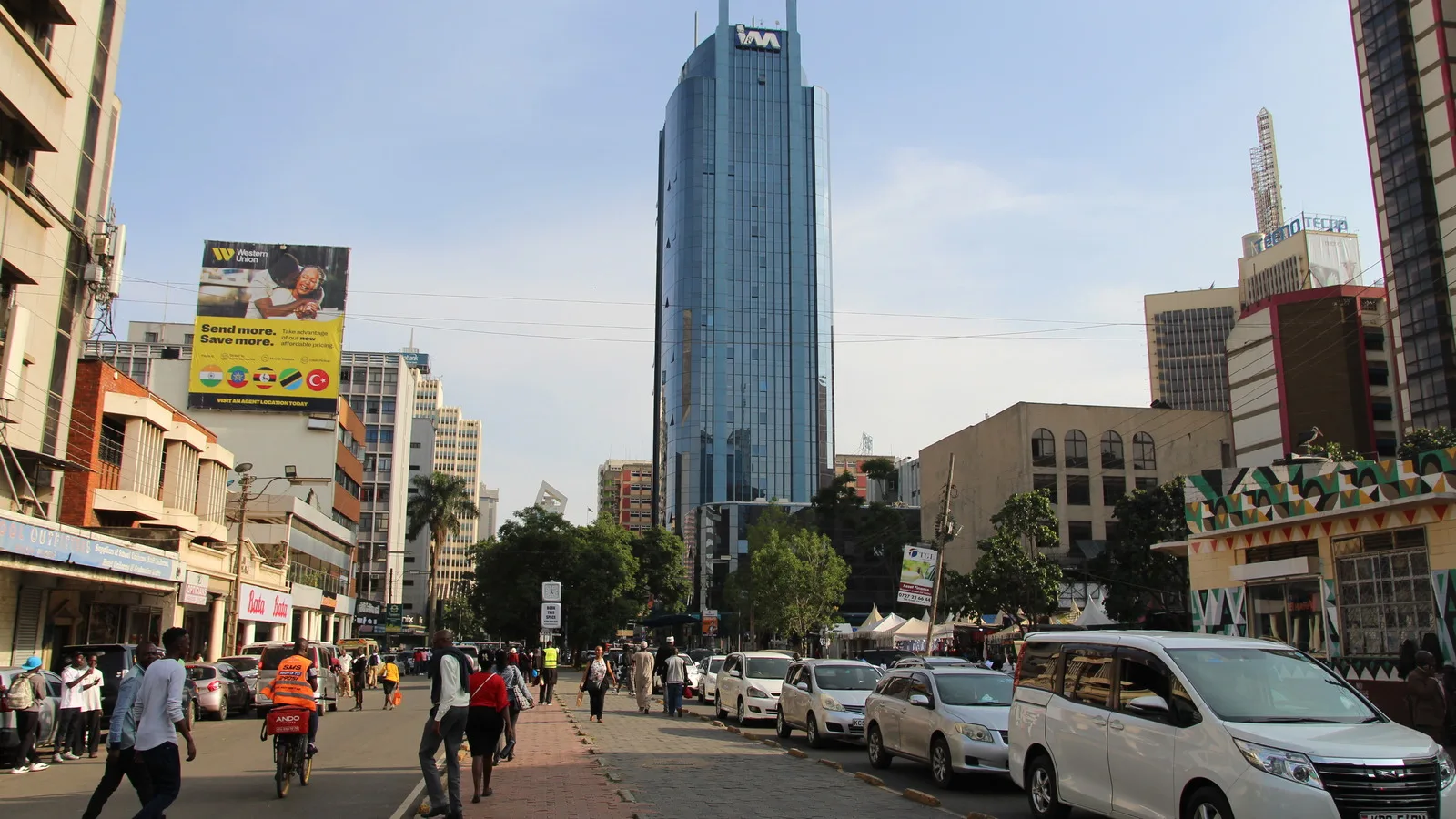
The pavements are the obstacle. Where they exist they are interrupted by parking, trading, drainage and sudden changes of level, and crossings are negotiated rather than signaled. Independent wheelchair travel along a Nairobi street is not realistic for most people.
Matatus and boda bodas are out: the boarding is quick, physical and unassisted. A hired vehicle with a driver for the whole trip is the arrangement that works, and it changes the calculation completely. Ride hailing apps are useful in the cities but the cars are ordinary saloons, so a folding chair and a transfer are assumed.
⚠️ Light aircraft to the airstrips need asking about specifically. Boarding is by a short ladder onto a small aircraft, and whether that is possible depends on the operator, the aircraft and you. It is a normal question and they are used to it.
Accommodation and safari
This is the part that works. A number of camps and lodges have step free tents or bandas, roll in showers and staff used to assisting, and some safari operators specialize in it, including vehicles with hoists and rotating seats. Game viewing is done from a vehicle, which removes the barrier that a walking tour would create.
Ask specific questions rather than whether a property is accessible, because the answer to that is almost always yes and almost always means something different from what you meant. Ask the width of the bathroom door, whether the shower has a lip, how many steps are between the room and the dining area, whether the paths are firm, and what happens after dark, since many camps escort guests between tents at night. Ask for photographs.
Heritage sites
The coastal heritage sites are the hard case. Fort Jesus is a sixteenth century fortification on several levels, reached over uneven ground and connected by steps. Gedi is a ruin in forest, on sand and root, with no made paths through much of it.
Lamu Old Town is its own situation, and worth understanding before you commit. There are almost no cars on Lamu Island: transport is on foot, by donkey or by boat, and the lanes are narrow, uneven and sometimes stepped. That makes it charming and it makes it difficult. Contact the National Museums of Kenya, which is the custodian of these sites, and ask what is actually possible at the specific site on the day.
Assistance and equipment
- Bring your own equipment. Spares, parts and repairs are hard to find at short notice
- A folding chair with puncture resistant tires travels far better than a rigid one
- Bring a travel companion if you can, because informal help is willing and unskilled
- Carry spare medication in hand luggage with a written list of what you take
- Ask your airline about assistance at Nairobi specifically, not in general
- Confirm the light aircraft operator can board you, in writing, before you book the safari
Planning ahead
Every trip that works here is one where the arrangements were made in advance and confirmed twice. Choose a specialist operator over a general one, choose accommodation on photographs rather than descriptions, and build slack into days that would be tight at home. Altitude is worth a word with your doctor too, since much of the country sits well above 1,500 meters.
Kenyan hospitality is not the obstacle. Offers of help are immediate and genuine. The obstacle is infrastructure, and infrastructure does not improvise.