Getting Around Zambia
- Country Zambia
- Guide Flight Planning
- Reviewed 18 August 2026
- Length 2 min read
Credit Balaji Kasirajan, CC BY-SA 4.0, via Wikimedia Commons
Last reviewed 18 August 2026
Zambia is a big country with a small road network, and the gap between how far apart two places look and how long it takes to get between them is where most itineraries go wrong. The country is roughly the size of France and Germany together, and the parks that make it worth visiting are a long way from each other.
Flying, and why most itineraries do
Most visitors moving between Lusaka, Livingstone, South Luangwa and the Lower Zambezi fly at least one leg. The light aircraft that serve the camps are part of the experience and also part of the budget, and they carry strict baggage limits, usually in a soft bag rather than a hard case. Your camp or operator will tell you the limit; take it literally.
Driving
A UK photocard license is accepted for up to ninety days, and an international driving permit or a Zambian license is needed beyond that. Hire companies often ask for more than the law does: a year of driving experience, a higher minimum age, and an international permit regardless.
The FCDO is blunt about the conditions. Many roads are severely potholed. Vehicles are often inadequately maintained and badly driven, and there are frequent fatal crashes. Drink driving and driving while on a phone are both illegal and both commonplace, and the Road Traffic and Safety Agency prosecutes offenders through a fast track court.
Between November and April, sudden floods can wash away bridges and roads. A route that existed in September may not exist in February, and local advice on the day beats any map.
The one rule worth keeping
Do not drive outside the main towns after dark. The reasons the FCDO gives are specific and they compound: abandoned vehicles left in the carriageway, pedestrians walking on the road, stray animals, and other vehicles driven without lights.
Plan legs that finish before sunset. If a day runs late, stopping somewhere unplanned is the better decision, and that is a sentence worth agreeing on with everyone in the vehicle before the day it matters.
Buses, minibuses and taxis
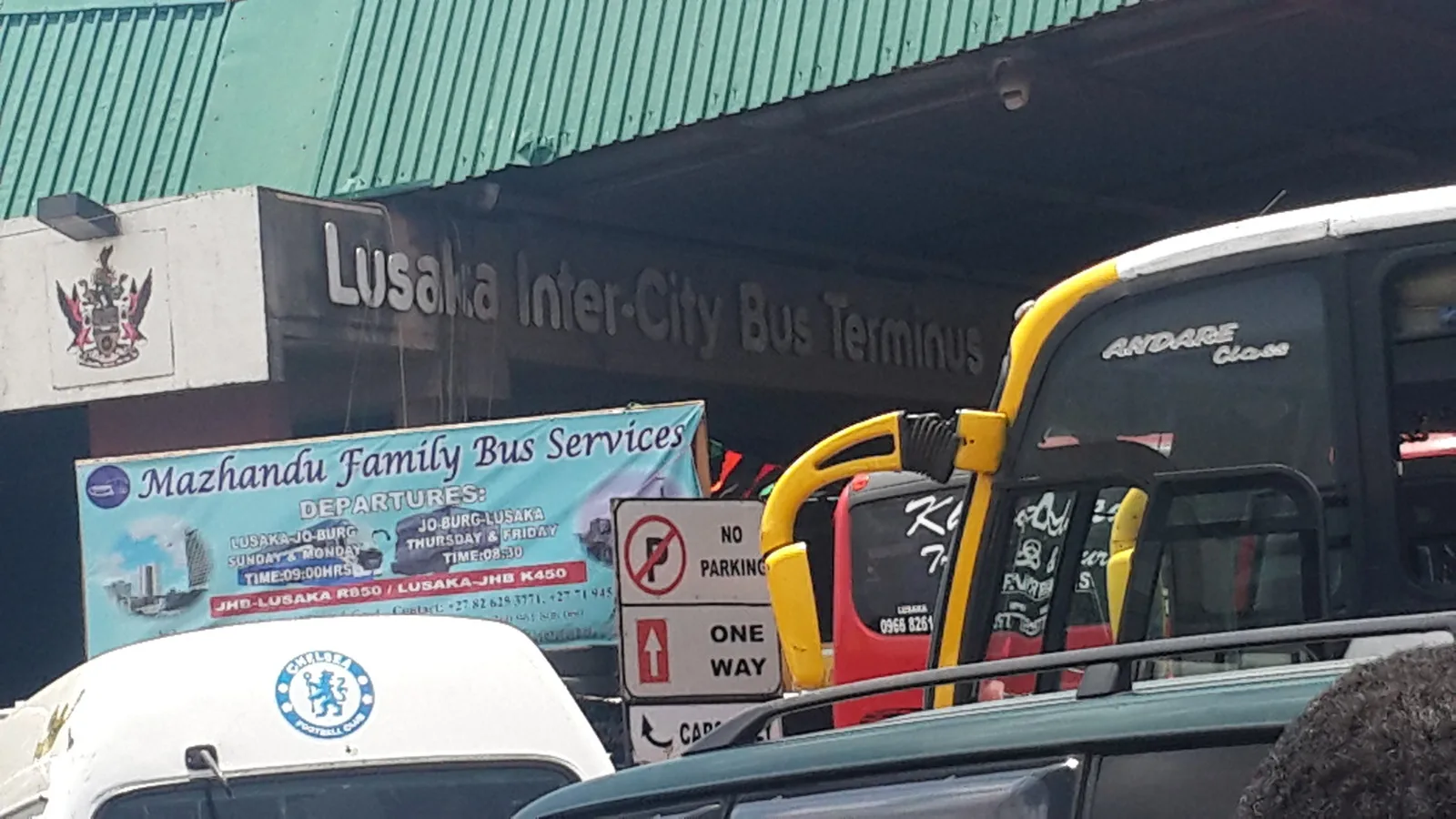
Long distance coaches connect the main towns and are how most Zambians travel. The FCDO describes long distance public transport as dangerous, citing poor driving standards, a lack of rest periods for drivers, the condition of the vehicles and the state of the roads. Urban minibuses are usually severely overcrowded.
In the cities, use taxis or cars arranged by your hotel rather than flagging one down. That is a security recommendation as much as a comfort one.
Getting around
- Budget more hours than the distance suggests, on every leg
- Expect a strict soft bag baggage limit on light aircraft to the camps
- Carry an international driving permit even where a home license would do
- Finish every drive before dark if you are outside a main town
- Ask locally about road conditions between November and April, and believe the answer
- Use cars arranged by your hotel or operator rather than hailing one