Accessible Travel in Rwanda
- Country Rwanda
- Guide Accessibility
- Reviewed 18 August 2026
- Length 3 min read
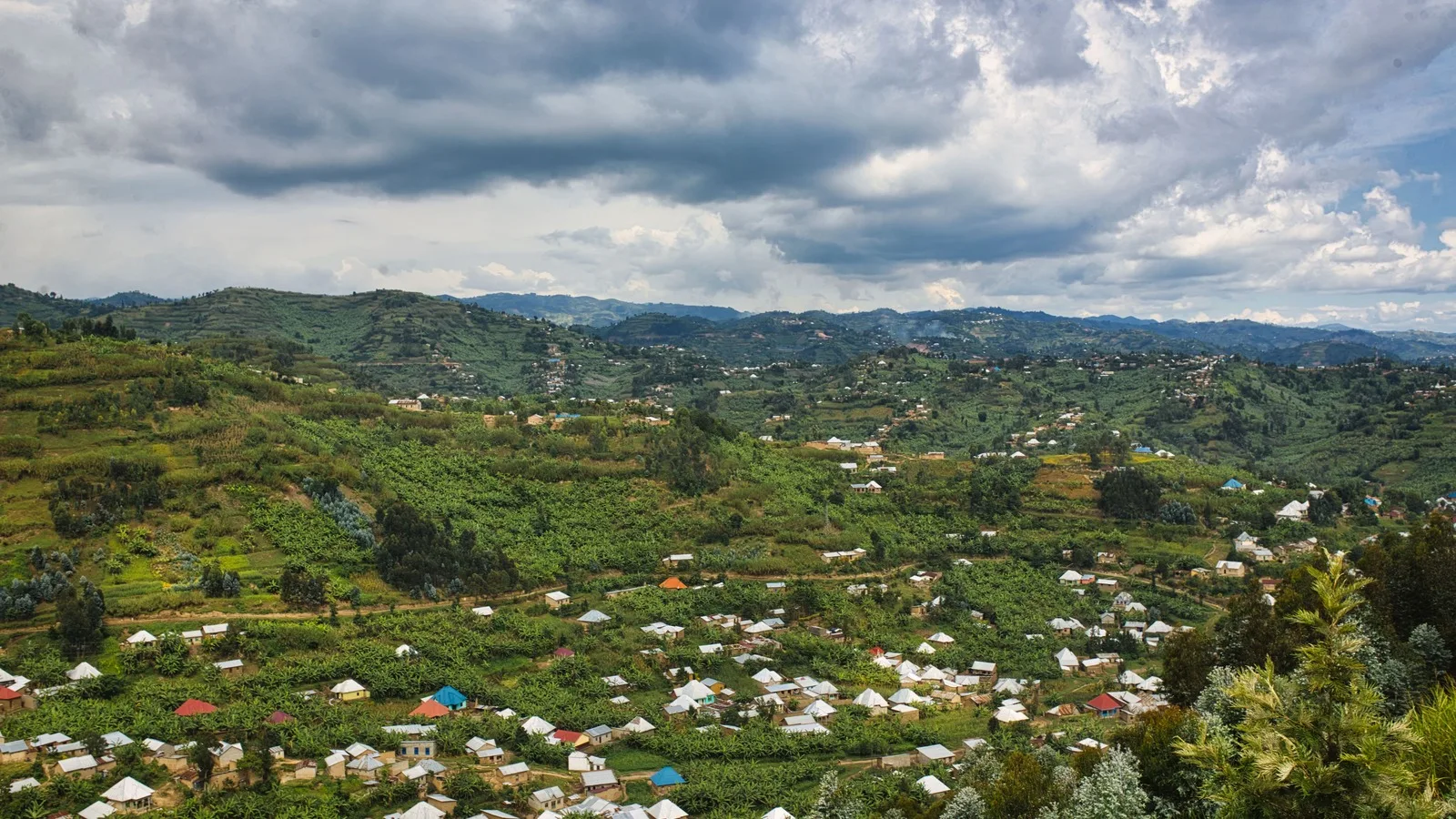
Credit Ericnkurunziza, CC BY-SA 4.0, via Wikimedia Commons
Last reviewed 18 August 2026
Rwanda's accessibility question is almost entirely about gradient. The infrastructure in the capital is better than a visitor might expect and the terrain everywhere else is steeper than photographs suggest.
Kigali is the easy part
Kigali is orderly, well lit and comfortable to move around, and it is a working capital with a conference economy, which means hotels built to international standards and staff used to being asked specific questions. Medical facilities are best here, which matters when choosing a base.
The city is nonetheless built across several hills. Distances that look short on a map involve real climbs, pavements are not continuous everywhere, and a private vehicle with a driver removes most of that difficulty at a cost that is reasonable by regional standards.
Where it stops: tracking
Gorilla and chimpanzee tracking is the reason most visitors come, and it is honestly described as walking off path on steep, wet, uneven ground at altitude, for an unknown length of time, because the animals decide where the day goes. There is no version of it that is level.
What exists instead is real and worth knowing about. Sedan chair carrying teams operate at the gorilla parks and are arranged in advance rather than on the morning. Some family groups are habituated much closer to the park boundary than others, and which group you are allocated makes an enormous difference to the walk. Ask, in advance, in writing, and ask the park authority or your operator rather than assuming allocation is random.
Nyungwe and the canopy walk
Nyungwe's canopy walkway is the park's signature and it is reached by a forest trail with descents and steps rather than by a road. The walkway itself is a suspended bridge. Both parts are worth asking about specifically, because the walkway and the approach to it present quite different problems.
Akagera is the exception to the whole picture: it is a savannah park, it is driven rather than walked, and a game vehicle that can be boarded without climbing changes what is possible. If tracking is out of reach, Akagera is not a consolation prize but a different and complete experience.
Asking well
Ask concrete questions in writing and of the specific property: distance and surface from parking to room, number of steps, whether there is a level route to dinner after dark, whether a vehicle can be boarded without climbing. Lodges here range from city hotels to remote camps and the difference in access between them is enormous.
On insurance, the point made in the safety guide applies with more force here: medical facilities are limited and serious cases may be evacuated to Kenya or South Africa. Confirm what your policy covers before you travel.
What to ask, and of whom
- Whether a sedan chair team can be arranged, and how far in advance
- Which habituated family groups are closest to the park boundary
- The surface and gradient of the approach to the Nyungwe canopy walkway
- Whether a game vehicle in Akagera can be boarded without climbing
- Distance, surface and steps from parking to room, from each lodge in writing
- Whether your insurance covers international medical evacuation