Accessible Travel in Madagascar
- Country Madagascar
- Guide Accessibility
- Reviewed 19 August 2026
- Length 2 min read
Credit Z thomas, CC BY-SA 4.0, via Wikimedia Commons
Last reviewed 19 August 2026
This page will be shorter and blunter than its equivalents for other destinations, because the honest answer is short and blunt. Madagascar has very little accessible infrastructure, no national body publishing guidance for disabled travelers, and terrain that is difficult before anyone thinks about a ramp.
That is not the same as saying do not come. It is saying that a trip here has to be built around the constraint from the first email rather than adjusted for it later.
What is genuinely difficult
Pavements in Antananarivo are broken, steep and often absent, and the city is built on hills. The national parks are the reason most people visit and their trails are rooty, muddy, steep and unsurfaced, with the night walks that are the highlight taking place on the same ground in the dark. Domestic aircraft are small and boarded by steps. Long road transfers are unavoidable and the roads are rough.
None of that is presented as a reason to stay away. It is presented so that nobody arrives expecting otherwise.
Questions worth asking before you book
Ask for photographs rather than descriptions. The word accessible carries no standard here and a picture of the doorway settles it.
- Is the room step-free from the vehicle, or only from the lobby?
- How wide is the bathroom door, in centimeters, measured?
- Can the operator supply a vehicle you can transfer into, and with what notice?
- Which viewpoints and lodges are reachable without walking a trail?
- How far is the nearest hospital, and what does the insurance cover?
- Will a guide and a driver stay with the party throughout?
What is possible
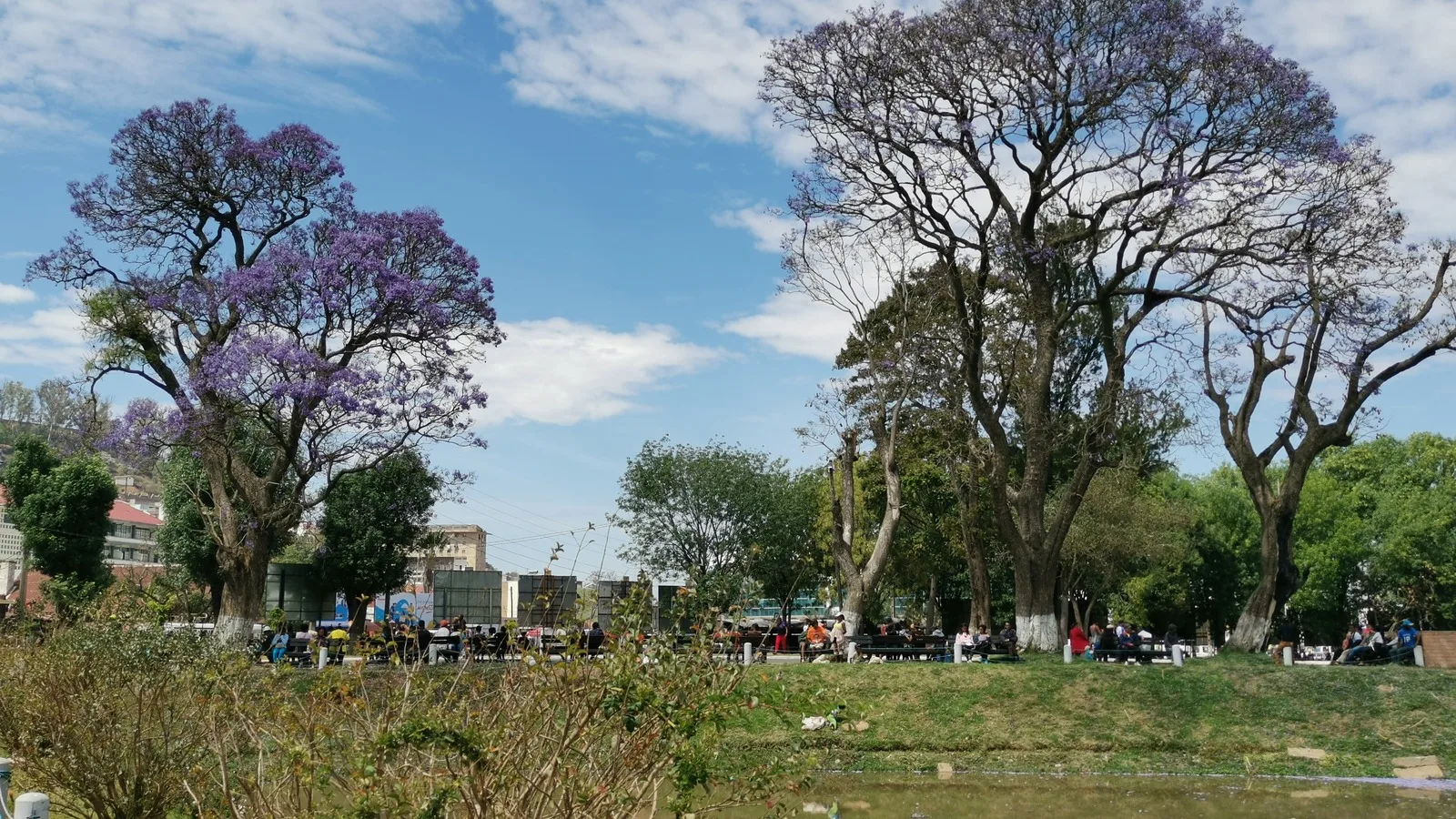
A private vehicle with a driver and a guide, arranged for the whole trip, changes the calculus more than anything else. Lac Anosy and the boulevards of central Antananarivo have long stretches of level paved ground. Several lodges near the eastern parks are single story and set on flat sites. Some park viewpoints are reachable by vehicle, and a guide who knows which ones is worth more than any published list.
The realistic shape of an accessible trip here is fewer places, longer in each, chosen for what can be reached rather than for what is famous.