Accessible Travel in Morocco
- Country Morocco
- Guide Accessibility
- Reviewed 19 August 2026
- Length 2 min read
Credit Mustapha Ennaimi, CC BY 2.0, via Wikimedia Commons
Last reviewed 19 August 2026
This page does not pretend Morocco is an easy country for a traveler with limited mobility, and it does not pretend it is impossible either. The difficulty is concentrated and predictable, which means it can be planned around.
Where the difficulty actually is
The historic medinas are the problem, and they are the problem for a structural reason rather than a failure of provision. Fez el Bali and the older parts of Marrakesh were laid out for people and pack animals: the lanes are narrow, the surface is worn stone that is often uneven and sometimes wet, there are steps without warning, and there is no vehicle that can reach most addresses. A wheelchair user cannot be dropped at the door of a riad in the middle of Fez, because there is no door a car can reach.
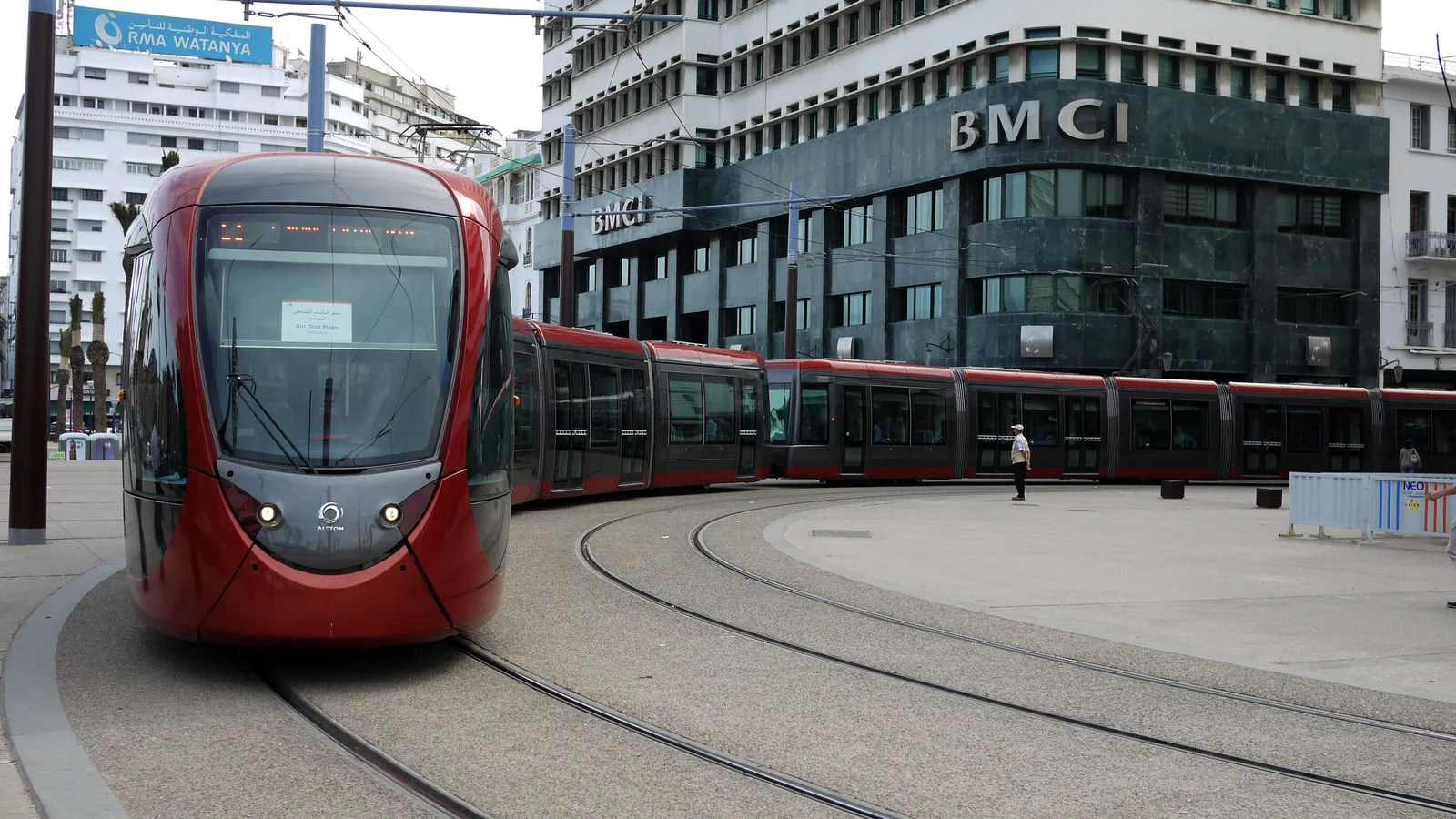
Outside the medina the picture changes completely. Casablanca and Rabat have modern tram systems with level boarding at street level stops, the new city districts have wide pavements and curb cuts, and the airports, the larger hotels and the newer museums are built to contemporary standards.
What to settle before booking
Ask these questions of the property directly. A booking site listing that says accessible is describing a category, not a doorway.
- Whether your accommodation is inside a medina, and if so how far from the nearest vehicle access.
- Whether a riad has ground floor rooms. Many are built around a courtyard with steep stairs and no elevator.
- Whether the sites on your itinerary have step free routes, and ask the site rather than the tour operator.
- How you will cover distances between sites, since taxis are plentiful and adapted vehicles are not.
- That your travel insurance covers your equipment as well as your treatment.
- Whether your prescription medication is legal in Morocco and packed in its original labeling.
Traveling with a group
A great deal of what makes Morocco difficult alone becomes manageable with people. A driver who knows which gate of the medina is closest to your riad, a guide who knows which route through the souk has the fewest steps, and companions who can carry a bag over a threshold together turn a hard day into an ordinary one. That is a reason to consider a planned itinerary here more than in a country where a taxi can reach every address.