Accessible Travel in Tanzania
- Country Tanzania
- Guide Accessibility
- Reviewed 19 August 2026
- Length 2 min read
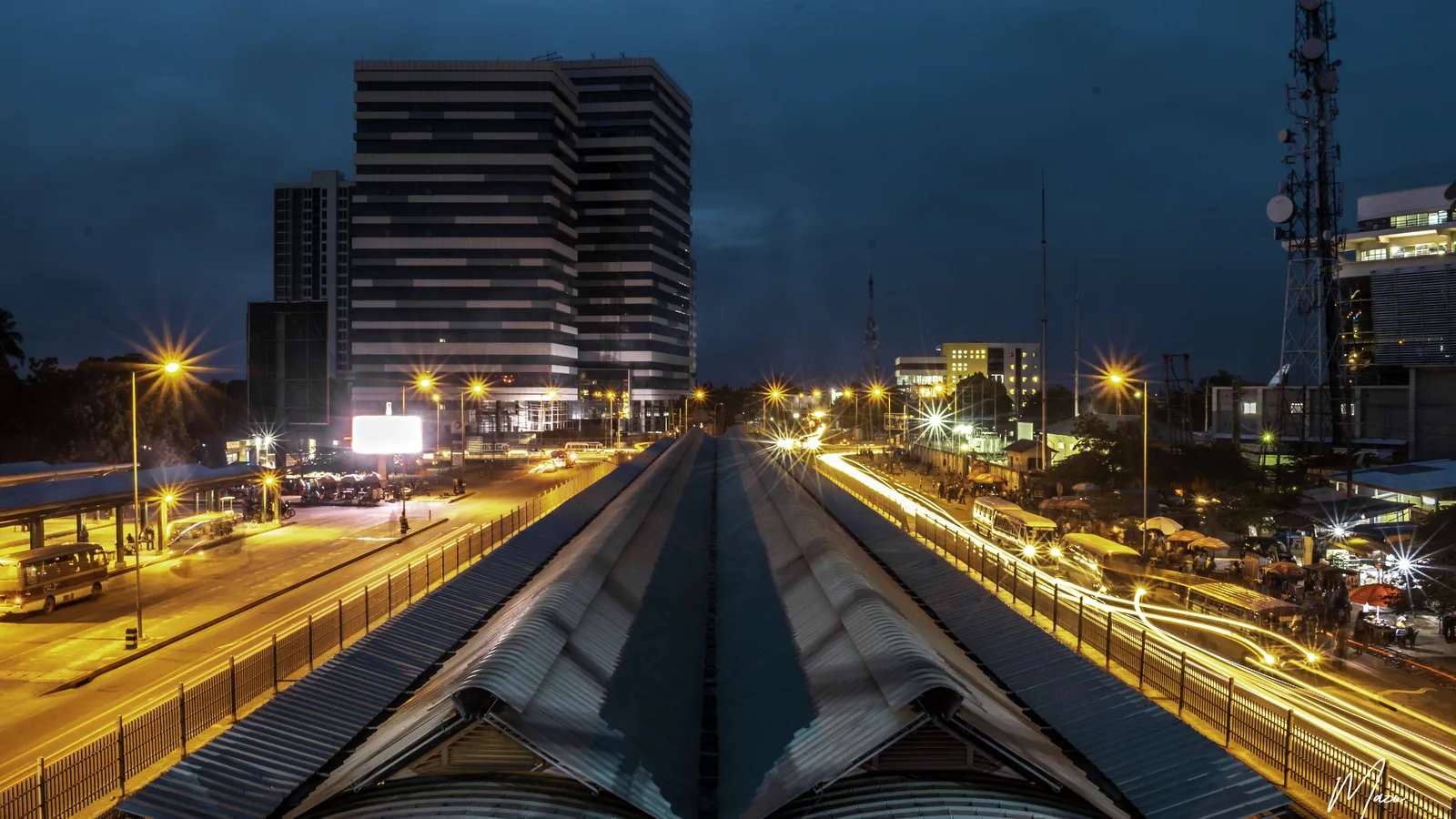
Credit Mazupixel, CC BY-SA 4.0, via Wikimedia Commons
Last reviewed 19 August 2026
Tanzania is not a country with comprehensive accessible infrastructure, and it is not a country where a disabled traveler cannot go. This page is about telling the two apart before you commit money.
What is designed in
The clearest example is the Dar es Salaam bus rapid transit. Its stations are enclosed, fares are paid before boarding, and the platform meets the bus at the same level, which removes the step that makes most buses in the region unusable. It runs on lanes closed to other traffic, so journey times are predictable in a city where nothing else is.
Newer airport terminals, larger hotels and purpose built lodges are the other places where level access is likely to have been considered. None of that is guaranteed, and the word "accessible" in a listing is a marketing term rather than a standard.
What is not
Medical facilities are limited, especially outside Dar es Salaam. Some national parks are extremely remote and emergency access and evacuation can be difficult, which is a planning fact for anyone whose condition might need either.
Park roads are mainly dirt tracks that become hazardous or impassable after heavy rain. Safari vehicles are typically high sided four wheel drives entered by a step, and very few are adapted. Historic sites are the hardest of all: the ruins at Kilwa Kisiwani are reached by boat and crossed on uneven ground, and Stone Town is a dense grid of narrow lanes, steps and raised thresholds that predates the question.
Questions worth asking before a deposit
Ask them in writing, and ask the operator rather than the booking site. An operator who answers precisely is telling you something useful about the whole trip.
- Is the vehicle entered by a step, and how high is it from the ground?
- How far is the nearest hospital that can treat my condition, in hours rather than kilometers?
- Can a wheelchair be carried, and who lifts it?
- Is the room on the ground floor, and is the bathroom entered over a lip?
- Which parts of this itinerary are reached only by boat or on foot?
- What happens to this schedule if the rains make the park roads impassable?
Insurance is the part people underinsure
Check that your destination can provide the healthcare you may need and that you have appropriate travel insurance for local treatment or unexpected medical evacuation. This matters more if you have a health condition or are pregnant.
The emergency number in Tanzania is 112. Ask for an ambulance, and contact your insurer quickly if you are referred anywhere for treatment.
Remember that Zanzibar additionally requires its own inbound policy from the Zanzibar Insurance Corporation, which is a separate purchase and not a substitute for medical cover.